
Static caravans and park homes sit outside for months on end, taking whatever the season throws at them. A gale that strips a few roof tiles off a house is a much bigger problem for a caravan pitched on an exposed coastal site, and standard home insurance rarely stretches to cover it properly.
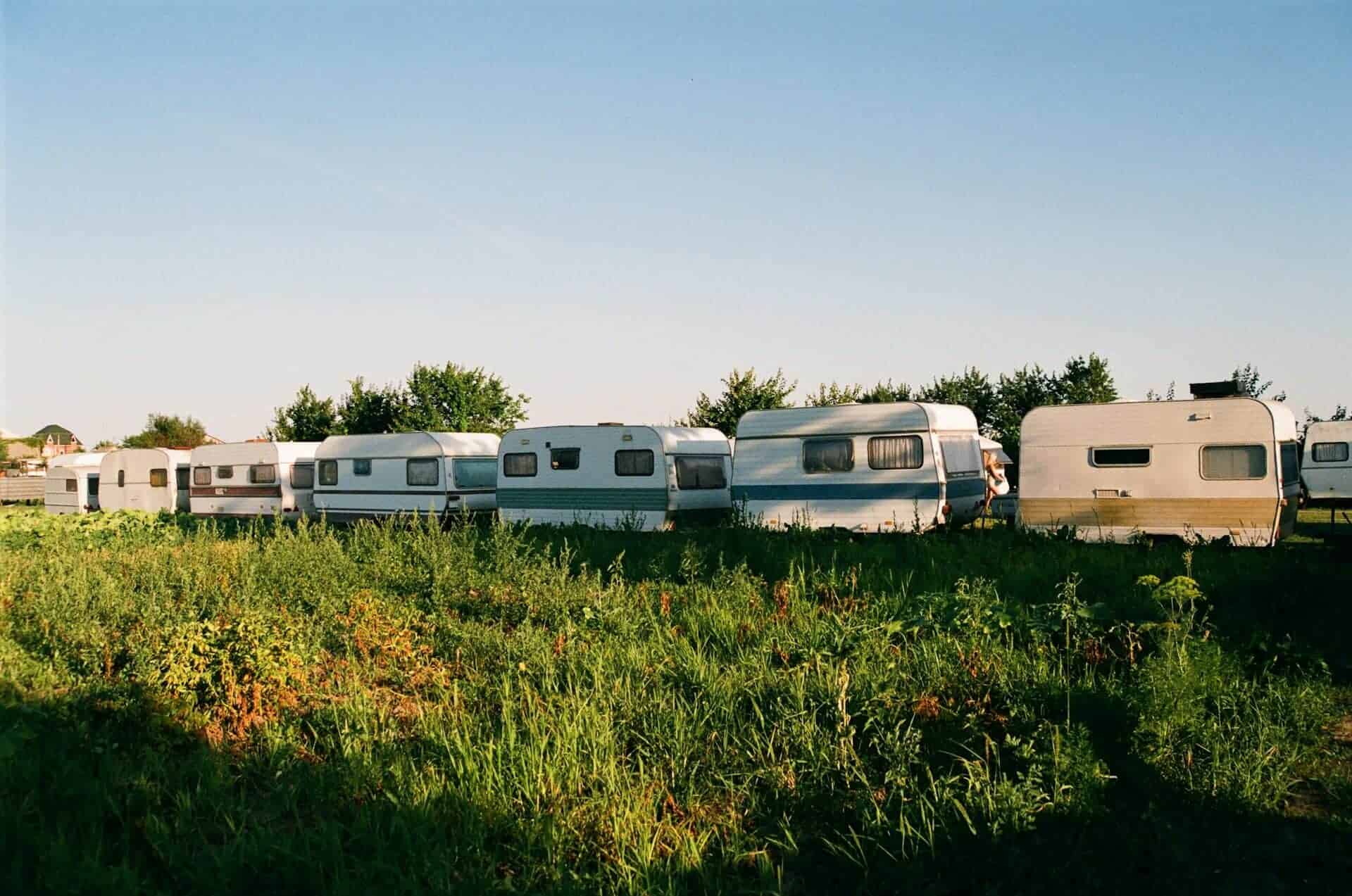
That gap is where Safeguard operates. It provides specialist insurance for caravans, motorhomes and park homes, built around the specific ways these properties get damaged, let out and lived in.
What Safeguard Actually Covers
Safeguard isn’t a general home insurer with a caravan add-on bolted on. It’s built specifically for owners of static caravans, motorhomes and park homes, which matters because these structures fail and get damaged differently than brick-and-mortar homes.
The policy covers contents and belongings inside the caravan against theft or attempted theft, flood, storm and accidental or malicious damage. It also covers damage caused directly by adverse weather, though flood damage may be excluded in certain postcodes. Read that postcode caveat closely if your pitch sits near a river or on low-lying coastal ground, since flood risk in the UK is mapped and published by the Environment Agency and can vary sharply between sites just a few miles apart.
The Renter Cover That Sets It Apart
Many static caravan owners let their van out to holidaymakers when they’re not using it themselves, and that’s exactly where standard cover often falls short. Safeguard’s policies can extend to protection against accidental damage caused by paying guests, selectable during the quotation process and subject to the policy’s terms and conditions.
That’s a meaningful distinction if letting income is part of why you own the caravan. A tenant who scorches worktops or cracks a window doesn’t automatically become your out-of-pocket problem. Public liability cover sits alongside this, protecting against claims from anyone injured or whose property is damaged in or around the caravan. If a guest trips on a step or a visiting relative is hurt on the decking, this cover is built to catch that kind of claim.
How the Policy Actually Works
Getting from enquiry to cover follows a fairly standard shape for this kind of insurance:
1. You give details of the caravan, motorhome or park home, including its location and how it’s used.
2. You choose the optional extras you want, such as accidental damage cover for paying guests or breakdown cover.
3. Safeguard quotes based on the specifics you’ve provided.
4. Cover begins, with contents, weather damage and liability protection running alongside whatever optional extras you’ve selected.
The optional breakdown cover is worth flagging separately. It sits outside the core buildings and contents protection and is aimed squarely at motorhome owners, since a mechanical failure hundreds of miles from home is a very different problem than storm damage to a static van on a fixed pitch.
New for Old and Cover That Travels
One detail that separates Safeguard from cheaper generic policies is new-for-old cover. If contents are damaged and need replacing, the policy pays out based on the cost of new equivalents rather than the depreciated value of what you owned. For anything from a caravan’s kitchen appliances to soft furnishings, that difference in payout can be substantial after a few years of use.
For motorhome owners who take their vehicle across the Channel, EU cover comes standard, with a green card supplied by Safeguard if needed. That removes a step that otherwise falls to the owner to arrange before a trip, which matters if you’re planning a departure date and don’t want a certificate delaying it.
Where It Falls Short
No specialist caravan insurer covers everything, and a few honest limits are worth knowing before you commit.
Flood exclusions by postcode. Damage caused by flood may be excluded depending on where the caravan is sited, so anyone on a flood-prone pitch should check this specifically rather than assume blanket cover.
Renter cover is optional, not automatic. You select protection against paying guests’ accidental damage during the quotation process rather than bundling it into every policy by default, so you need to add it if letting your caravan out is part of your plan.
Built for a specific property type. This is specialist cover for caravans, motorhomes and park homes rather than a general property or motor policy, so it won’t be the right fit if you’re looking to insure a bricks-and-mortar holiday home or a standard car alongside your caravan.
None of these are dealbreakers, but they’re the kind of detail that changes which policy option actually suits your situation.
Who Safeguard Suits
Owners who let their static caravan out to holidaymakers get the clearest benefit here, since the combination of renter damage cover and public liability protection directly addresses the biggest risk of hosting paying guests. Motorhome owners who regularly cross into Europe also get a practical edge from the standard EU cover and supplied green card.
It’s less of an obvious fit for someone who owns a caravan purely for personal use, never lets it out and never leaves the UK. That owner can still benefit from the weather damage and contents protection, but they won’t use the features that make Safeguard stand out from a more generic policy.
If you’re weighing up insurance decisions more broadly, it’s worth understanding how different types of cover actually work before you commit to one, in the same way this guide to life insurance policy types breaks down the options for a completely different kind of policy.
The Verdict
Safeguard earns its place among specialist caravan insurers by building cover around the actual risks owners face rather than treating a static caravan like a smaller version of a house. Renter damage protection and public liability cover matter most for anyone who lets their van out, while new-for-old cover and standard EU protection add real value for motorhome owners who regularly cross into Europe.
Check the flood exclusion for your specific postcode before assuming full cover, and remember to actively select renter protection at the quotation stage if letting income is part of your plan. For most static caravan and motorhome owners, those two checks are the difference between a policy that fits and one that just looks like it does.