
Weight changes affect more than your clothing—they can subtly alter your body’s proportions and how implants sit. Even a few pounds gained or lost may change appearance, comfort, or symmetry. In Bend, OR, where active lifestyles are common, women often notice these differences while exercising, shopping, or simply moving through daily life.
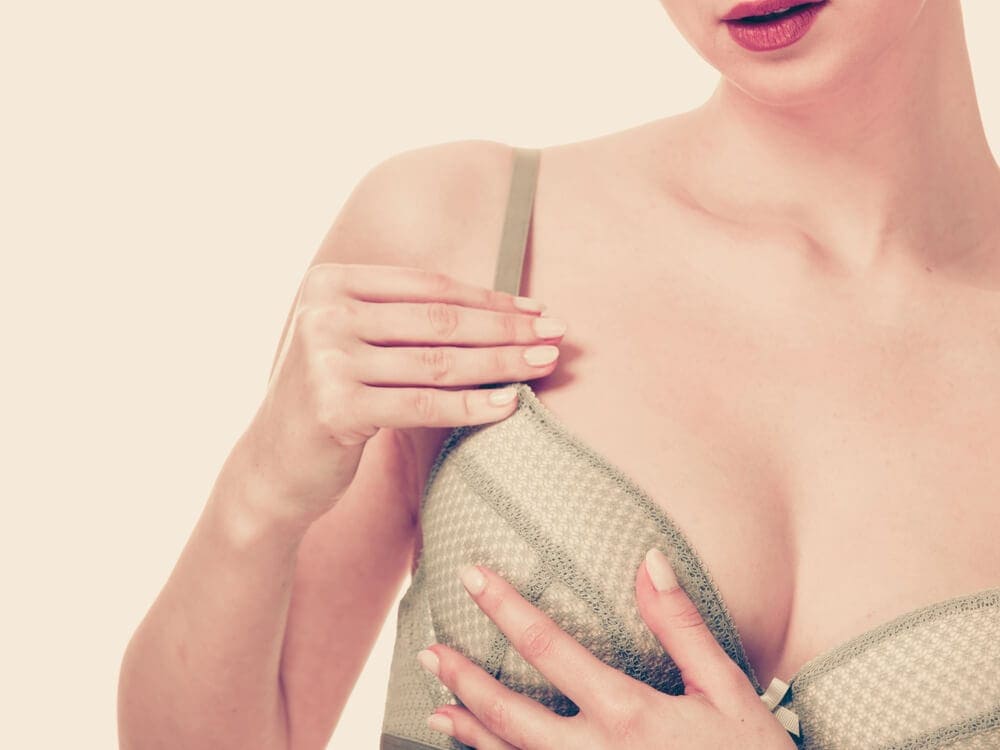
Breast implants are designed to maintain shape, but surrounding tissues respond to body changes. Knowing what to watch for can save worry and guide timely adjustments before small issues become more noticeable.
1. Your Bra or Clothing Fits Differently
One of the earliest signs that your implants may need attention is noticing changes in how your clothes fit. Tops might feel tighter across the chest, bras may no longer support the way they used to, or necklines might reveal gaps or bulges you hadn’t noticed before. For women considering breast implants in Bend, OR with Dr. Nick Vial, these small differences in everyday wear are often the first clue that something has shifted.
Subtle changes in fit aren’t just about appearance—they affect comfort and how your body moves throughout the day. Even small shifts in tension or shape can indicate that your implants no longer sit perfectly in line with your natural contours. Observing these signs early can make a consultation smoother and help clarify what adjustments might be needed.
2. Uneven Appearance Between Breasts
Some asymmetry is natural, but weight changes can make it more noticeable. One breast may appear fuller, sit higher, or shift in shape compared to the other. Clothing can exaggerate these differences, and photos often reveal what isn’t obvious in the mirror.
Even minor differences can often be addressed with adjustments to implant size or positioning. These refinements can restore balance and a more natural silhouette without requiring a full replacement.
Subtle asymmetry may also appear after pregnancy or lifestyle changes. Recognizing it early gives you the opportunity to explore options that maintain aesthetics and reduce longer-term tissue strain.
3. Implants Feel Out of Place or Shift
As the surrounding tissue changes with weight, implants may move slightly. They might sit higher, lower, or lean subtly to one side.
This can affect how clothing drapes and how the chest feels during movement or exercise. While these changes are usually gradual, they are noticeable enough to consider a consultation for minor adjustments rather than waiting for a full revision.
Some women notice this only when bending, stretching, or performing certain movements. If you feel an unexpected pull, bounce, or tilt, it may indicate that the implant volume or position no longer matches your body’s current dimensions.
4. Skin Changes Affect the Breast Contour
Weight gain or loss affects skin elasticity, which directly impacts implant appearance. After losing weight, skin may sag or wrinkle; after gaining, it may stretch unevenly.
These changes can make implants look higher, lower, or asymmetrical, even if the original surgery was flawless. Surgeons can evaluate whether small adjustments—resizing, repositioning, or minor tightening—would restore smoother contours.
Even if you don’t notice dramatic changes immediately, clothing fit or side profiles often highlight differences. Addressing these issues early allows for more subtle interventions, often less invasive than full revisions.
5. Physical Discomfort or Tightness
Changes in weight can create sensations like tightness, pulling, or soreness around the implant site. The tissue may feel stretched, or implants may feel heavier than before.
These sensations aren’t always painful, but they can affect posture, exercise routines, or daily comfort. Recognizing discomfort as a signal for possible adjustment allows for timely correction, ensuring both appearance and well-being.
Sometimes, physical feedback appears during activities like running, lifting, or even hugging. These are cues that your implants may no longer be optimally proportioned for your current body shape.
6. Reduced Confidence in Your Appearance
Sometimes the most telling sign isn’t physical—it’s emotional. Women may feel less confident in photos, swimsuits, or fitted clothing, even if nothing looks “wrong” medically.
Feeling self-conscious can be an early indication that implants are no longer in proportion with your body. A professional evaluation can identify whether resizing or repositioning would restore balance and confidence. Often, subtle adjustments make a significant difference without major surgery.
Confidence is closely tied to body perception. If you find yourself adjusting your posture, avoiding mirrors, or changing outfits repeatedly, it may be worth discussing options before the emotional impact grows.
Final Thoughts
Breast implants are designed to endure, but weight fluctuations can subtly affect shape, position, and comfort. Watching for differences in clothing fit, symmetry, implant position, skin contour, physical sensations, and emotional comfort helps women know when a check-up or adjustment is worthwhile.
Early recognition allows for smaller, less invasive adjustments rather than waiting for larger corrections. Paying attention to these subtle signals ensures implants remain natural-looking and comfortable over time, aligning with both body changes and lifestyle.
Planning ahead—taking notes, observing subtle shifts, and consulting a qualified surgeon—can prevent surprises and keep results in line with expectations. With careful attention, implants can continue to enhance both appearance and confidence for years to come.