
Switching to solar is an upgrade that can transform how your home runs. From cutting down your energy costs to lowering your environmental impact, the benefits are hard to ignore. It can even add long-term value to your property. That said, not all setups are the same, and picking the right one helps you gain more from the investment. When you get familiar with your options, you’re far more likely to get a system that works efficiently for your home and your lifestyle.
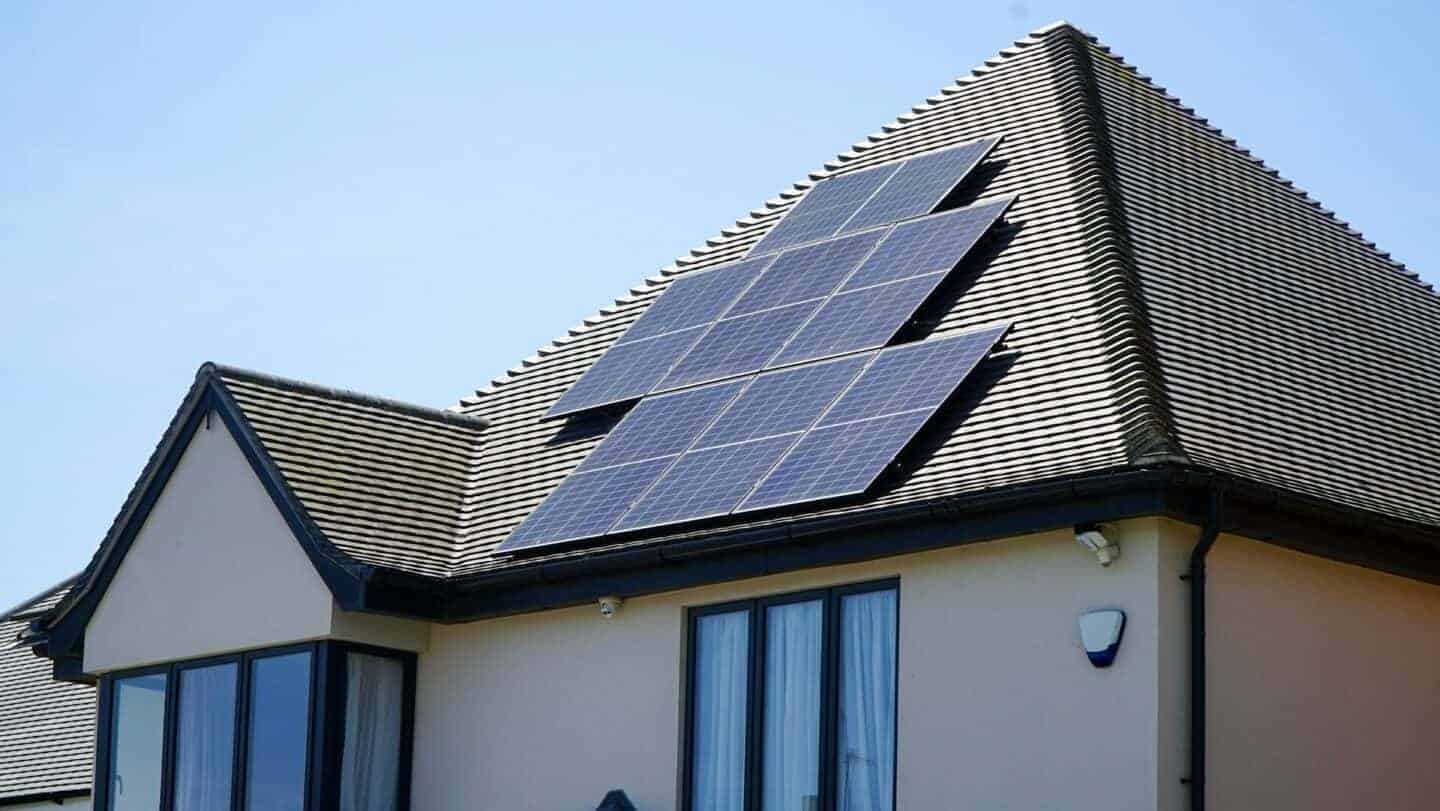
Today, certain brands have helped bring solar panels firmly into the mainstream. Founded in the late 1990s, Trina Solar has built a reputation for producing reliable and efficient modules used all over the world. What sets a Trina solar panel apart is how well it performs in real conditions, not just ideal ones. It generates power even during lower light levels, like early mornings or cloudy days, and can handle higher temperatures without a big drop in output. Read on to discover the key factors worth considering before you buy.
Warranty

One of the first things you should check is the warranty, because it says a lot about how much confidence the manufacturer has in their product. Since these systems are meant to last for decades, you’ll want that same level of long-term reassurance. You can choose reliable brands such as Trina solar panels with long-term warranties of up to 25 or even 30 years.
A good warranty covers both the product itself and its performance over time. That means you’re protected not only against defects but also against any significant drop in efficiency. Take a few extra minutes to understand the details so you can avoid stress later and feel more confident in your investment.
Types of Solar Panels
When you start exploring your options, you’ll quickly realise there isn’t just one type of Trina solar panel to choose from. Each design comes with unique strengths, so understanding the basics can help you pick something that suits your home and how much space you’re working with. So, what are the different types of solar panels?
- Monocrystalline options are often the go-to for efficiency. They’re made from a single crystal structure, which helps them generate more power in a smaller area. They’re the ideal choice if your roof space is limited.
- Polycrystalline versions are a bit more budget-friendly. They use multiple silicon fragments, so while they’re slightly less efficient, they can still be a solid choice if you have plenty of room to work with.
- Thin-film designs are lighter and more flexible, making them useful for unusual layouts or surfaces, though they generally need more space to produce the same level of output.
Energy Requirements
Before you get too deep into comparing different Trina solar panels, consider your own energy usage. Understanding how much power your household consumes will give you a clearer idea of what kind of setup you need. First, check your utility bills over the past year and spot any patterns in your monthly usage.
You’ll probably notice that consumption isn’t the same all year round. Colder months or hotter seasons can push your usage up, depending on heating or cooling needs. Keeping those fluctuations in mind helps you avoid choosing a system that’s either too small to keep up or larger than necessary.
Efficiency Ratings
Efficiency is essential, especially if you’re working with limited roof space. It tells you how effectively your Trina solar panel can turn sunlight into usable electricity. The higher the rating, the more energy you can generate without needing to cover every inch of your roof. For most homes, it’s good to look at options that offer solid efficiency levels. While the numbers might seem small at first glance, even a slight increase can add up over time in terms of energy output.
Local Climate
Weather conditions in places like London, Surrey, Kent, or Sussex can vary. Factors such as cloud cover or surrounding buildings can influence how much sunlight your system receives. That’s why you should take a closer look at your specific environment before buying.
- Take note of any shade from nearby trees, rooftops, or other structures that could block sunlight during the day.
- Consider sun path tools or maps to see which areas of your roof get the most consistent exposure.
- Consider speaking with a local installer who understands the conditions in your area and can guide you towards the most suitable setup.
Price of Installation
Cost is another factor that can vary more than people expect. The overall price will depend on a mix of things, from the type of panels you choose to the condition and layout of your roof, as well as the installer you go with.
Prices can differ quite a bit, even for similar setups. Rather than going with the first quote you receive, you should compare a few different providers. This gives you a clearer picture of what’s reasonable and helps you spot any outliers, whether that’s unusually high or surprisingly low. It also gives you a chance to understand what’s included in the service.
Local Solar Incentives
In the UK, schemes like the Smart Export Guarantee allow you to earn money back by sending unused energy to the grid, which can help offset your investment over time. Take time to explore available grants, rebates, or support schemes in your area. It’s also helpful to work with an installer who understands these options and can guide you through what you’re eligible for, so you don’t miss out on potential savings.
Professional Installer
Choosing the right installer can be just as important as the system itself. A company with solid experience and a good reputation is far more likely to deliver a smooth installation and reliable results. Read reviews, check past projects, and make sure they’re properly certified. A trusted professional gives you peace of mind, as they’ll be familiar with best practices and any local requirements.
Future Needs
Your energy use today might not look the same in a few years, especially if you’re considering things like an electric vehicle or adding new appliances. Allow some room for growth so you can avoid the hassle of upgrading later. A slightly larger system, or one that can be expanded over time, gives you more flexibility as your needs change. Consult your installer and plan something that works not just for now, but for the future too.
Aesthetics and Building Regulations
Finally, think about how your setup will look once it’s installed, not just how it performs. A well-chosen setup can blend in nicely with your home’s architecture and even enhance its overall appearance. It’s also important not to overlook local building regulations, as these can vary depending on your area. Most professional installers can guide you through the process. Getting both the visual and legal sides right means you end up with a setup that works well and fits your home properly in every sense.