
Houston’s heat and humidity create near-perfect conditions for mold to grow inside HVAC systems. Most homeowners don’t realize it’s happening until the problem is well advanced. Ignoring the warning signs puts your air quality, your equipment, and your family’s health at serious risk.
Here’s the thing, mold is treatable, and the signs tend to show up early if you know what you’re looking for. Below are five clear signs you need trusted HVAC mold removal services in Houston before things get worse.
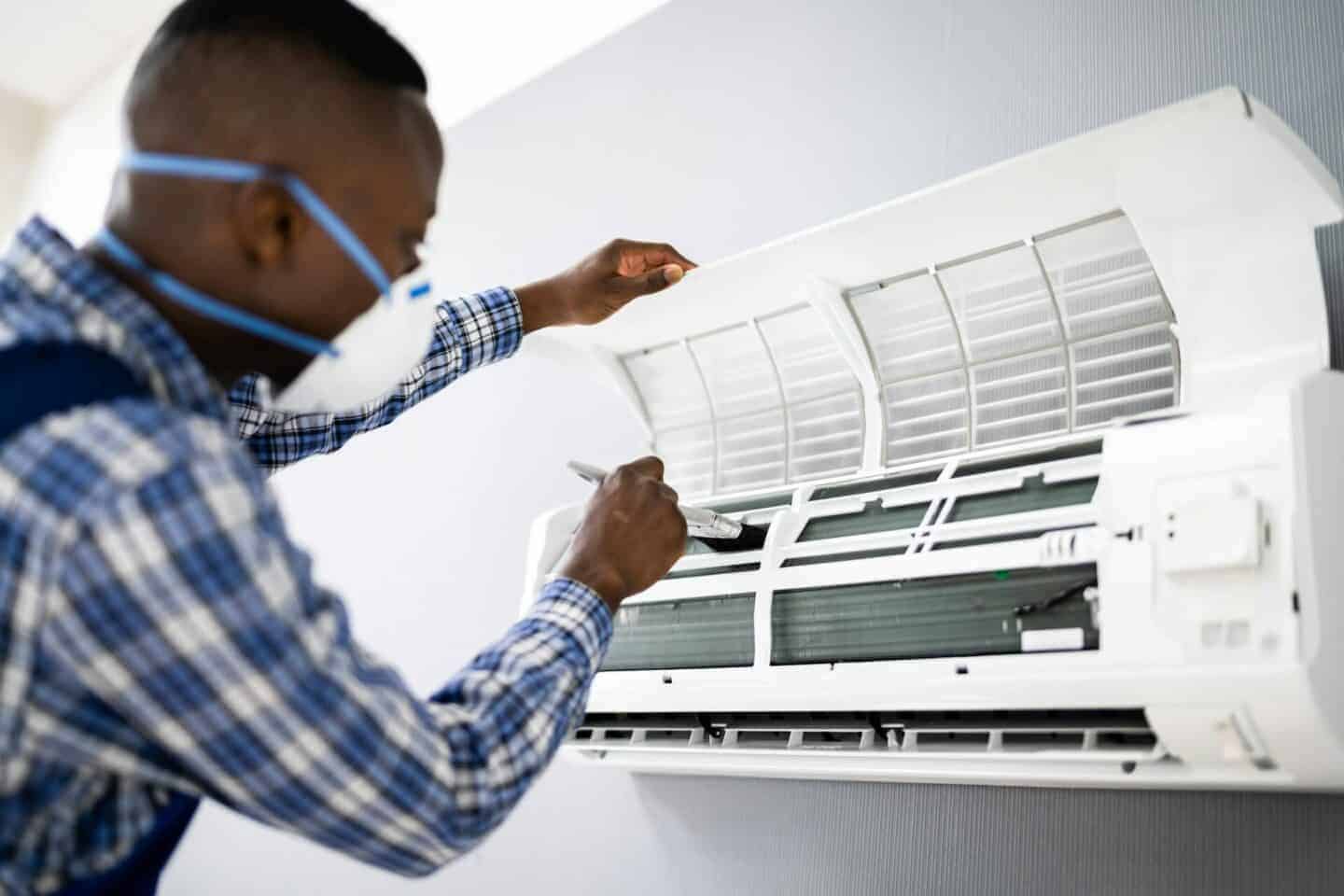
1. A Persistent Musty or Stale Smell From Your Vents
That damp, earthy odor drifting through your home whenever the HVAC runs isn’t something an air freshener will fix. It’s one of the most consistent early indicators that mold has colonized somewhere inside your ductwork or air handler. HVAC mold removal in Huston addresses this type of problem at the source, tracing the odor back to contaminated ducts or coils rather than masking the symptom. In Houston’s climate, mold spores thrive in the moisture that naturally collects around evaporator coils and inside ductwork. Once a colony takes hold, it circulates spores through every room each time the system kicks on. No room is safe.
The smell tends to spike right when the system starts, then fade slightly. That pattern is a strong signal the source is inside the HVAC itself. Don’t wait it out. Mold doesn’t self-correct; it spreads, quietly and fast. A professional inspection can pinpoint exactly where the growth is concentrated and remove it with the right equipment before the problem compounds.
2. Visible Dark Spots or Discoloration Around Your Registers
Black, green, or brownish staining around your vent covers is one of the more obvious red flags. Many homeowners scrub the grille and move on, but surface discoloration usually means mold has already settled deeper in the duct lining, well beyond what’s visible. The grille is just where it breaks the surface.
In a humid city like Houston, mold spores land in the condensation that collects inside supply and return ducts, and once moisture and organic matter are both present, growth accelerates fast. Discoloration around multiple registers suggests a system-wide issue, not one isolated spot. Dark staining on the ceiling or wall near a vent is another version of the same warning, often caused by mold-laden air contacting a cooler surface. You can wipe the grime away. But a cloth can’t remove the source; a certified technician uses HEPA equipment and proper containment to clear the growth without scattering spores into clean areas of the home during the process.
3. Worsening Allergy or Respiratory Symptoms Indoors
If your household is dealing with more sneezing, itchy eyes, congestion, or coughing at home, and those symptoms ease up when you head outside, the indoor air quality deserves a closer look. Mold spores from an HVAC system circulate constantly, and sensitive individuals, including children, elderly family members, and anyone with asthma, often react to concentrations that others don’t notice right away.
These symptoms overlap with typical seasonal allergies, so many families chalk it up to pollen or dust. But if the symptoms follow your HVAC schedule, flaring when the system runs and settling when it doesn’t, that pattern points strongly toward a contaminated system. Long-term exposure to mold spores from HVAC systems carries real health consequences, not just temporary irritation. Getting the system inspected and cleaned by a professional who uses organic, non-toxic products is a meaningful step toward improving your indoor environment, especially in a city where air conditioning runs for eight or more months of the year.
4. Recent Water Damage or Flooding Near Your HVAC Equipment
A flood event, a burst pipe, or even a slow roof leak near your air handler or ductwork creates exactly the moisture conditions mold needs. Water damage doesn’t have to be dramatic. Even a few days of elevated humidity inside ductwork, or standing water near an air handler unit, is enough to trigger mold growth within 24 to 48 hours.
Houston sees heavy rainfall and flooding regularly, and systems in attics, crawl spaces, or utility closets are especially exposed. Many homeowners address the visible water damage but forget to have the HVAC system assessed as part of the remediation. The result is mold growing quietly inside the ductwork for weeks or months before anyone notices. That’s a costly oversight. So if your home or HVAC equipment area experienced any water intrusion in the past year, scheduling a mold inspection isn’t an overreaction; it’s a reasonable precaution. The cost of early remediation is far lower than treating a fully established colony down the road.
5. The System Hasn’t Been Professionally Inspected in Years
Routine HVAC maintenance often focuses on filter changes and mechanical performance. Mold inspections are a different category entirely, and many homeowners have never had one done at all.
In Houston, where the HVAC system runs under heavy load for most of the year, the conditions inside ducts and coils stay consistently warm and moist. That combination means mold can establish itself even in a system that appears to be working fine. There’s no mechanical symptom to tip you off. The system cools the house, the filter gets swapped on schedule, and mold spreads completely undetected. Professionals with the right equipment can assess the interior of the duct system and catch contamination before it becomes a health issue or requires major remediation work, but only if you call them. If your system hasn’t been inspected for mold in the last two to three years, that gap alone is reason enough to schedule a check. Prevention is considerably less expensive than remediation, and far less disruptive than dealing with a contaminated system at full spread.
Conclusion
Mold inside an HVAC system isn’t a cosmetic problem. It affects the air your household breathes every day, and Houston’s climate makes it a year-round headache. The five signs above, musty odors, visible staining, respiratory symptoms, water damage history, and long gaps between inspections, each point toward the same need: a professional assessment by a certified technician. Catching the problem early protects your health, your equipment, and your home. If any of these signs sound familiar, trusted HVAC mold removal services in Houston are worth scheduling sooner rather than later.