
Finding art for a family home should feel fun, not fussy. You want pieces that reflect your story, handle daily life, and still look great years from now. With kids, pets, and busy schedules, the smartest picks balance style, safety, and simplicity.

This guide walks through practical factors that help you choose with confidence. Think about how a piece fits your rooms, stands up to wear, and hangs securely. A few smart decisions up front will save time and money later.
Balance Personal Style With Cohesion
Start by noting the colors and textures you already love. If your home leans warm and natural, choose art with soft neutrals, earthy tones, or gentle lines. If your style is bold, let a graphic print or vivid landscape set the tone.
Create a thread that ties rooms together. You might repeat a color, a subject, or a framing style across spaces, and explore aesthetic wall art ideas for your bedroom while keeping the rest of the home in mind. This simple link between rooms keeps the whole house feeling calm and connected.
Permit yourself to mix media. A canvas in the living room can pair with a photographic print in the hallway.
Plan For Size, Scale, And Placement
Choose pieces that fit the wall and the furniture beneath them. Art that is too small gets lost, and art that is too large can overwhelm the room. Measure first, then sketch quick rectangles on painter’s tape to test proportions.
Think about the room’s sightlines. You want the centerpiece visible from the main entry or seating spot. Leave enough breathing room around the edges so frames do not crowd corners, lamps, or doorways.
Use these quick checks before you buy:
- The width of artworks is best at about two-thirds the width of the furniture below.
- Leave a consistent gap above sofas and consoles so the arrangement looks tidy.
- Group smaller pieces into a grid or gallery to read as one larger statement.
Prioritize Safety And Durability
Family homes need materials that are light, tough, and easy to clean. When you compare glazing, many framers favor acrylic for everyday spaces since it resists shattering and keeps weight down. That makes large pieces easier to handle and safer in high-traffic rooms.
Acrylic can look crisp and clear while protecting the artwork itself. For nurseries or playrooms, reduce sharp corners with rounded frames or canvas wraps. Avoid heavy glass near bunk beds or active zones where bumps happen.
Place fragile or valuable works out of reach. High shelves, picture ledges, and tall hallway walls keep special pieces safe while still on display.
Protect Against Light And Daily Wear
Sunlight is the silent enemy of prints and photos. Consider UV-protective glazing when framing pieces that will hang near windows or bright doors. One maker noted that UV-filtering acrylic plays a big role in reducing fading, which helps preserve color and contrast in family spaces.
Control glare and reflections to keep images easy to see. Try satin or matte papers for photographs in bright rooms. Angle art slightly away from direct beams, and add a light-filtering shade where the sun hits hardest.
Keep cleaning simple. Dust frames with a soft, dry cloth and avoid strong sprays near mats and canvases.
Get The Framing Details Right
Frames do more than decorate – they protect and present your art. A slim black or oak frame can modernize kid art and vintage finds. Mats create visual space, letting colors breathe and giving your walls a gallery-ready feel.
Glazing choice matters for families. A framing resource explained that acrylic often beats glass on weight and shatter resistance, and it is a practical upgrade for larger works that might be moved or rehung. That durability can make a real difference when you rotate seasonal art or rearrange rooms.
Match frame finishes to nearby hardware for a tidy look. If your home uses brushed brass pulls, a warm wood or soft gold frame can echo that tone.
Hang Securely And At The Right Height
Good hardware is non-negotiable. Professional tips often recommend picture hooks instead of bare nails because they anchor better in drywall and distribute weight safely. Use two hooks for wide frames to keep them level and reduce the chance of tilting.
Aim for a center point that meets the average eye line. In living rooms with seated viewing, you might drop the height a little so people enjoy the art without craning their necks.
In long hallways, keep the tops of frames aligned for a clean rhythm. Check studs for heavy pieces and use wall anchors when needed.
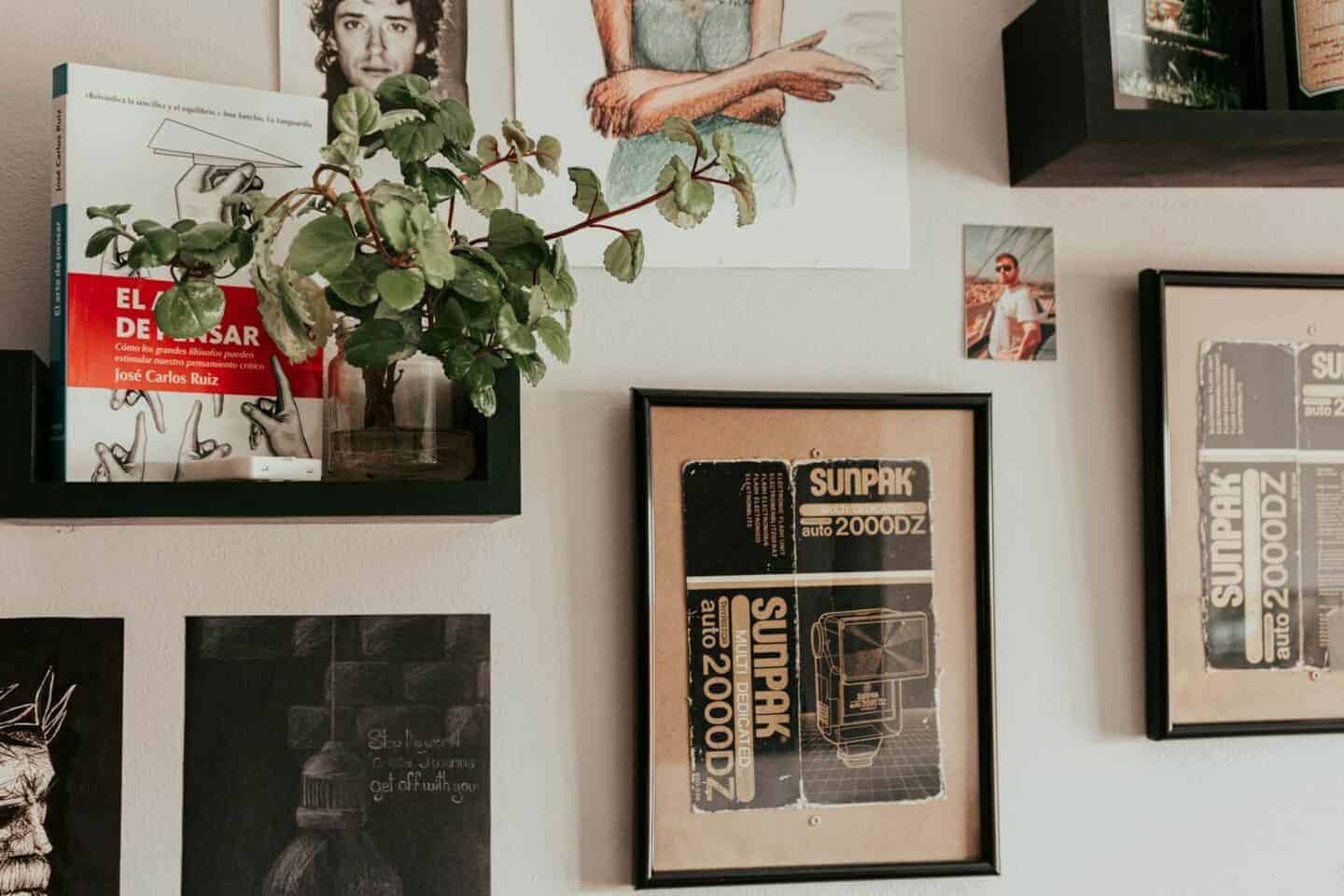
A recent framing guide emphasized the day-to-day advantages of acrylic over glass, noting it is lighter and less likely to shatter in active homes. A separate piece highlighted the value of UV-filtering acrylic to reduce fading, which is helpful near sunny windows. Another article from a home site suggested using sturdy picture hooks for secure hanging, which is a small upgrade that prevents sagging and slips.
Great family art lives where you live. Choose pieces that fit your scale, your light, and your routine, and give them strong frames and secure hardware. When your walls are easy to update and safe to enjoy, your collection will stay fresh for years.