
A home is more than just walls and furniture, it’s a personal sanctuary where comfort and care coexist. Every element, from the temperature of the air to the lighting in each room, contributes to how safe, relaxed, and supported you feel in your space. Building a home environment that nurtures both physical comfort and emotional well-being requires thoughtful design, consistent maintenance, and a focus on health-centered choices.
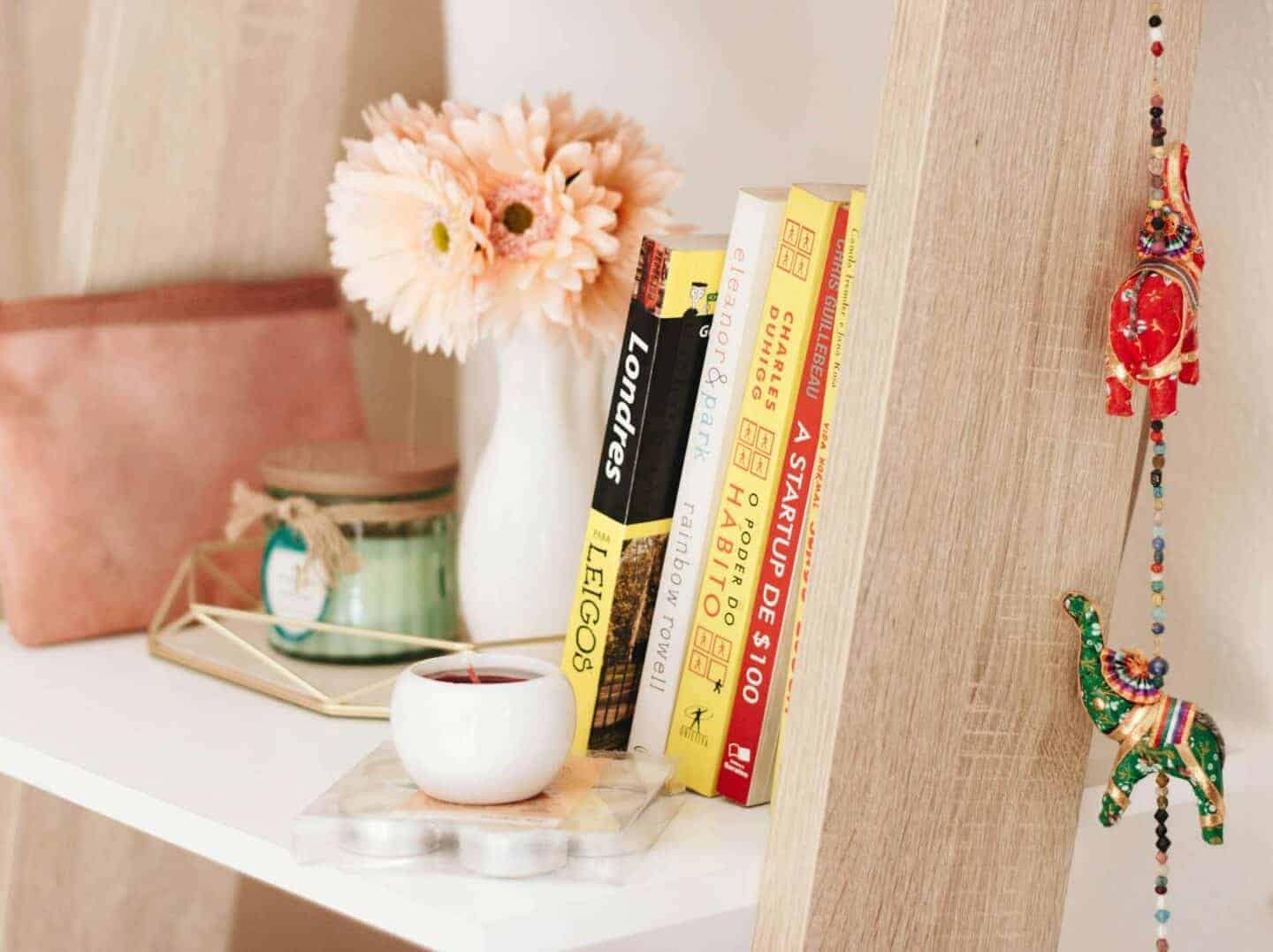
Whether you’re designing a new space or improving your current one, comfort goes beyond luxury, it’s about creating surroundings that promote balance and peace of mind. Small adjustments can have lasting effects, transforming an ordinary house into a place that restores and sustains everyone inside.
Prioritizing Comfort Through Reliable Home Systems
Comfort begins with consistency. When your home’s heating, cooling, and ventilation systems run smoothly, daily life feels effortless. A steady indoor temperature reduces stress, improves sleep, and helps maintain wellness. Many homeowners underestimate how much energy efficiency and comfort depend on the proper care of these systems.
Regular maintenance checks keep HVAC equipment operating at peak performance. Filters should be cleaned or replaced frequently to ensure clean air circulation, and annual tune-ups help identify small issues before they become major repairs. If your system struggles to heat or cool effectively, it might be time to consider Vredevoogd Heating Repair or similar professional services. Experienced technicians can diagnose inefficiencies, clean internal components, and extend the life of your system, saving both energy and money in the long run.
Temperature regulation influences indoor air quality. A well-functioning ventilation system minimizes allergens, dust, and moisture, reducing risks of respiratory irritation or mold growth. Investing in air purifiers or humidity control systems adds another layer of comfort for families with children, pets, or allergy sensitivities.
The goal is to create a home that feels stable no matter the season. Proper insulation, draft prevention, and reliable HVAC support combine to make the entire living space more pleasant and energy-efficient year-round.
Designing Spaces That Support Emotional Well-Being
Comfort is not only physical, it’s deeply emotional. A calming environment supports mental clarity and lowers daily stress. Thoughtful design choices can foster a sense of tranquility and belonging in shared spaces where family members spend time together.
Start by focusing on color and light. Soft, neutral tones tend to promote calmness, while natural light enhances mood and helps regulate circadian rhythms. Where sunlight is limited, full-spectrum LED bulbs can replicate daylight, maintaining the body’s natural energy patterns.
Decluttering is another form of emotional care. A well-organized space frees the mind from visual chaos and allows for smoother routines. Storage solutions such as baskets, built-in shelving, and modular furniture make it easier to maintain order without sacrificing style.
Incorporating natural materials, like wood, stone, and cotton, creates a connection to nature that subtly reduces tension. Houseplants serve as living decor, improving air quality while adding color and vitality to interiors. Studies consistently show that even small touches of greenery can improve concentration and reduce anxiety.
Ensuring Safety and Accessibility for All Ages
A truly comfortable home must be a safe one. Safety enhances peace of mind and ensures that everyone, from children to elderly family members, can move confidently and independently.
Start with the basics: secure railings, non-slip flooring, and clear pathways free of clutter. In high-traffic areas like kitchens and bathrooms, choose materials that offer durability and traction. Lighting should be bright enough to prevent accidents while soft enough to avoid glare or strain.
For families with aging relatives, accessibility is a key part of care-centered home design. Lever-style door handles, grab bars, and walk-in showers make daily activities easier without compromising aesthetics. Even subtle changes, like adjusting countertop heights or widening doorways, can make a significant difference in comfort and independence.
Maintaining Health Through Air and Water Quality
Home comfort depends heavily on environmental quality. Clean air and water form the foundation of a healthy living space. Pollutants like dust, pollen, and volatile organic compounds (VOCs) accumulate indoors, affecting both respiratory health and cognitive performance.
Installing proper ventilation and filtration systems helps maintain fresh airflow and reduces exposure to airborne irritants. Periodic cleaning of ducts and vents ensures pollutants don’t recirculate through your HVAC system.
Water quality should be monitored regularly. Hard water can leave mineral deposits on fixtures, while contaminants such as chlorine and lead can pose health risks. Whole-home filtration systems or under-sink purifiers improve both taste and safety. Maintaining plumbing and testing water annually keeps systems clean and efficient.
A home’s atmosphere benefits from humidity balance as well. Air that’s too dry can irritate skin and sinuses, while excess moisture encourages mold growth. Humidifiers and dehumidifiers offer simple yet effective solutions to maintain equilibrium.
Cultivating a Space That Encourages Connection
Beyond physical comfort, a nurturing home fosters strong relationships and shared experiences. Design choices that promote interaction, such as open layouts, cozy seating areas, or communal dining spaces, help bring people together naturally.
Shared spaces should accommodate both activity and rest. A comfortable living room with layered lighting can serve as both a family gathering area and a quiet retreat. Outdoor extensions, like patios or decks, provide opportunities for socializing while connecting with nature.
Encouraging routines that prioritize connection, family dinners, weekend movie nights, or shared projects, strengthens emotional bonds and contributes to a sense of stability. A home that supports both solitude and togetherness becomes a place of true belonging.
Building Comfort That Lasts
Sustaining comfort and care requires consistency. Routine maintenance ensures that every system, from heating to plumbing, continues to perform well. Establishing a seasonal checklist for cleaning, repairs, and inspections helps prevent issues before they disrupt comfort.
Regular updates don’t have to be costly. Small improvements like weatherproofing doors, resealing windows, or upgrading energy-efficient appliances can make a noticeable difference. When maintenance becomes a habit rather than an afterthought, comfort becomes part of everyday life.
For those planning renovations, prioritizing sustainability offers both environmental and personal benefits. Using energy-efficient materials, incorporating natural light, and choosing eco-friendly finishes reduces environmental impact while enhancing indoor livability. Sustainable homes often feel more harmonious because they’re designed with balance and longevity in mind.

Creating a home where comfort and care go hand in hand is an ongoing process of mindfulness and maintenance. Every decision, whether it’s fixing a heating system, decluttering a room, or improving air quality, contributes to the well-being of those who live there.
When a home feels safe, balanced, and supportive, it becomes more than a place to rest, it becomes a space that rejuvenates the body and mind. By combining reliable systems with thoughtful design and meaningful connections, homeowners can craft environments that nurture both comfort and care for years to come.