
For anyone who has torn their ACL, the weeks after the injury feel like a kind of limbo. You’re sitting on the sidelines, watching your fitness slip, and wondering if you’ll ever feel normal again. It’s one of the most common serious sports injuries out there, and for a long time, the recovery road was long, uncertain, and deeply frustrating. But things have changed. Sports medicine specialists are rethinking how ACL recovery works, and the results are giving athletes, weekend warriors, and active people real hope.
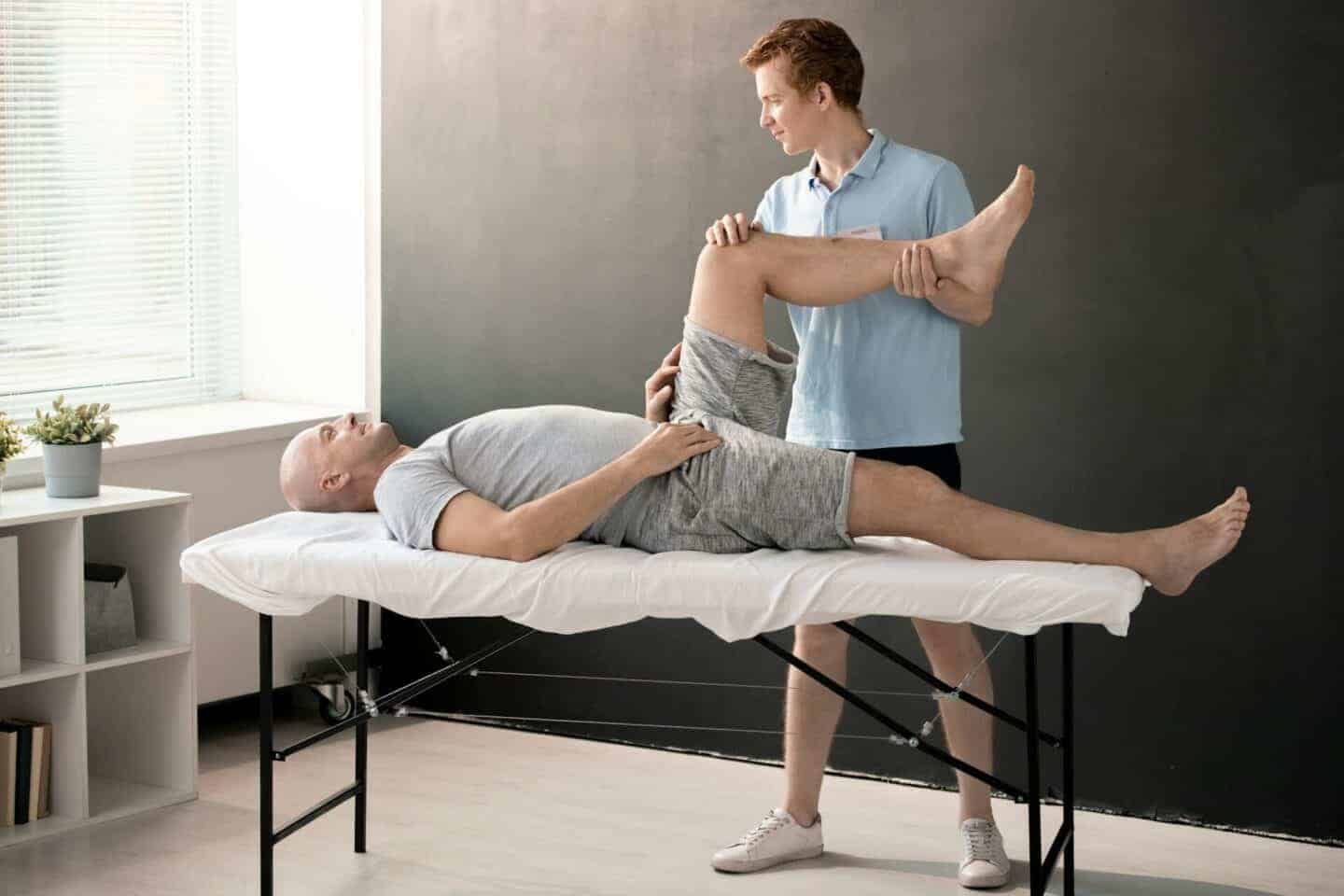
Glasgow, in particular, has become a hub for forward-thinking orthopaedic care, and the conversation around ACL rehab has never been more exciting.
Here’s a look at what’s actually making a difference.
1. Earlier Intervention Is Changing Everything
One of the biggest shifts in recent years is how quickly specialists now move on ACL injuries. For years, the thinking was to wait, let the swelling go down, and then see how things looked. That delay often led to more damage, weaker recovery, and longer time off.
What we’ve seen in modern sports medicine practice is a move toward earlier, more decisive action. Clinics offering sports medicine in Glasgow are now able to get patients in front of fellowship-trained surgeons within days of an injury, using advanced imaging to build a clear picture fast. In centers like Elanic Medical, care is usually coordinated across subspecialties from the very start, so nothing falls through the cracks while the clock is ticking. Surgeons assess the injury, confirm the diagnosis, and begin mapping out a rehabilitation plan before the swelling has even fully settled.
Getting that head start matters because the quality of early decisions has a direct knock-on effect on how cleanly the knee heals over the months that follow.
2. Minimally Invasive Surgery Is the New Standard
Gone are the days when ACL surgery meant a large incision, several nights in the hospital, and months before you could even think about moving properly. Arthroscopic techniques have transformed what the procedure looks like and what recovery feels like.
Using a tiny camera inserted through a small incision, surgeons can now reconstruct the torn ligament with real precision, targeting only the damaged tissue without disturbing the surrounding structures. Less tissue trauma means less post-surgical inflammation, which directly translates to a faster, more comfortable recovery. Most patients are up and doing gentle movement within 24 hours of the procedure. That’s not just impressive, it changes the entire psychological experience of recovery, which turns out to matter more than people realise.
3. Rehabilitation Is More Targeted Than Ever
Surgery is only one piece of the puzzle. The rehabilitation phase is where recovery is really won or lost, and modern sports medicine specialists understand this deeply. Research published in PubMed shows that while roughly 80% of patients return to some form of sport after ACL reconstruction, only 65% return to their pre-injury level of participation, and only about 55% return to competitive sport. That gap exists largely because of how rehab is approached.
The old model was time-based: wait six months, do some general exercises, then slowly return. The newer model is criteria-based. Specialists now track specific functional markers, including quad strength, balance, neuromuscular control, and even psychological readiness, before clearing a patient to return. Sport-specific training like cutting, pivoting, and direction changes is built in much earlier. This means athletes come back more prepared, more confident, and with a lower risk of reinjury.
4. Graft Choice Has Gotten More Personalised
When a surgeon reconstructs an ACL, they need to replace the torn ligament with a graft. For years, choices were fairly standard. Today, the selection process is far more nuanced, and it’s making a measurable difference.
Surgeons now consider the patient’s age, sport, activity demands, and anatomy when choosing between hamstring autografts, patellar tendon grafts, or donor tissue. A 19-year-old footballer has different needs than a 38-year-old recreational hiker. Matching the right graft to the right patient reduces reinjury risk and helps the new ligament integrate more effectively with the knee.
Some centres are also exploring internal brace augmentation, where sutures help support the graft during the early healing phase, giving patients a slightly faster path back to activity.
5. Mental Health Is Now Part of the Recovery Plan
This is the piece that often gets left out of conversations about ACL recovery, and it’s one of the most important. Missing months of sport, feeling physically limited, worrying about reinjury, and watching teammates compete without you takes a real toll. Fear of reinjury is one of the most consistent predictors of whether an athlete returns to their previous level or not.
In practice, the clinics achieving the best outcomes are the ones treating the mental side of recovery with the same seriousness as the physical side. Psychologically informed rehab, regular check-ins, goal setting, and exposure to sport-specific movement help patients rebuild trust in their knee. It sounds simple, but addressing mental health can be genuinely transformative.
Final Thoughts
ACL recovery has come a long way. Shorter timelines, smarter rehab, and better surgical techniques are all pointing in the right direction. But none of it works without specialists who are genuinely invested in the outcome.
The biggest takeaway from all of this is that who you work with matters as much as what is done to you. If you or someone you know is dealing with an ACL injury, getting in front of a dedicated sports medicine specialist, rather than a generic clinic, is the single most important step you can take. The sooner you do, the sooner the right plan begins.