
Organic meat continues to attract attention as more consumers look for food produced under recognised welfare and environmental standards. Within the UK, the organic meat market is estimated to be worth between £80 million and £100 million, with industry observers describing it as a fragmented sector that continues to evolve. Against this backdrop, Devon-based The Organic Butchery has entered a new chapter following its recent rebrand from Coom Farm Organic.
Among its range, organic lamb mince reflects several trends shaping the premium meat market. Demand for traceable sourcing, traditional butchery, and versatile cuts has increased as home cooks continue preparing everything from family pies to globally inspired dishes. The Organic Butchery’s lamb mince is produced using lean cuts from the shoulder and leg, with a traditional 20% fat ratio that many chefs and butchers regard as suitable for balancing flavour, moisture, and texture during cooking.
A Focus on Traditional Butchery and Organic Standards
The Organic Butchery sources its lamb from carefully selected West Country farms operating under certified organic standards. According to the company, its sheep are raised on grass-rich pastures without routine antibiotics or genetically modified feed. These practices align with UK organic certification requirements and emphasise animal welfare throughout the production process.
The company also maintains a traditional approach to butchery. Skilled butchers at organicbutchery.co.uk hand-select cuts from the shoulder and leg before finely grinding the meat to create a consistent texture. Rather than relying on mixed trimmings, each batch is prepared using prime cuts to achieve an even balance between lean meat and fat.
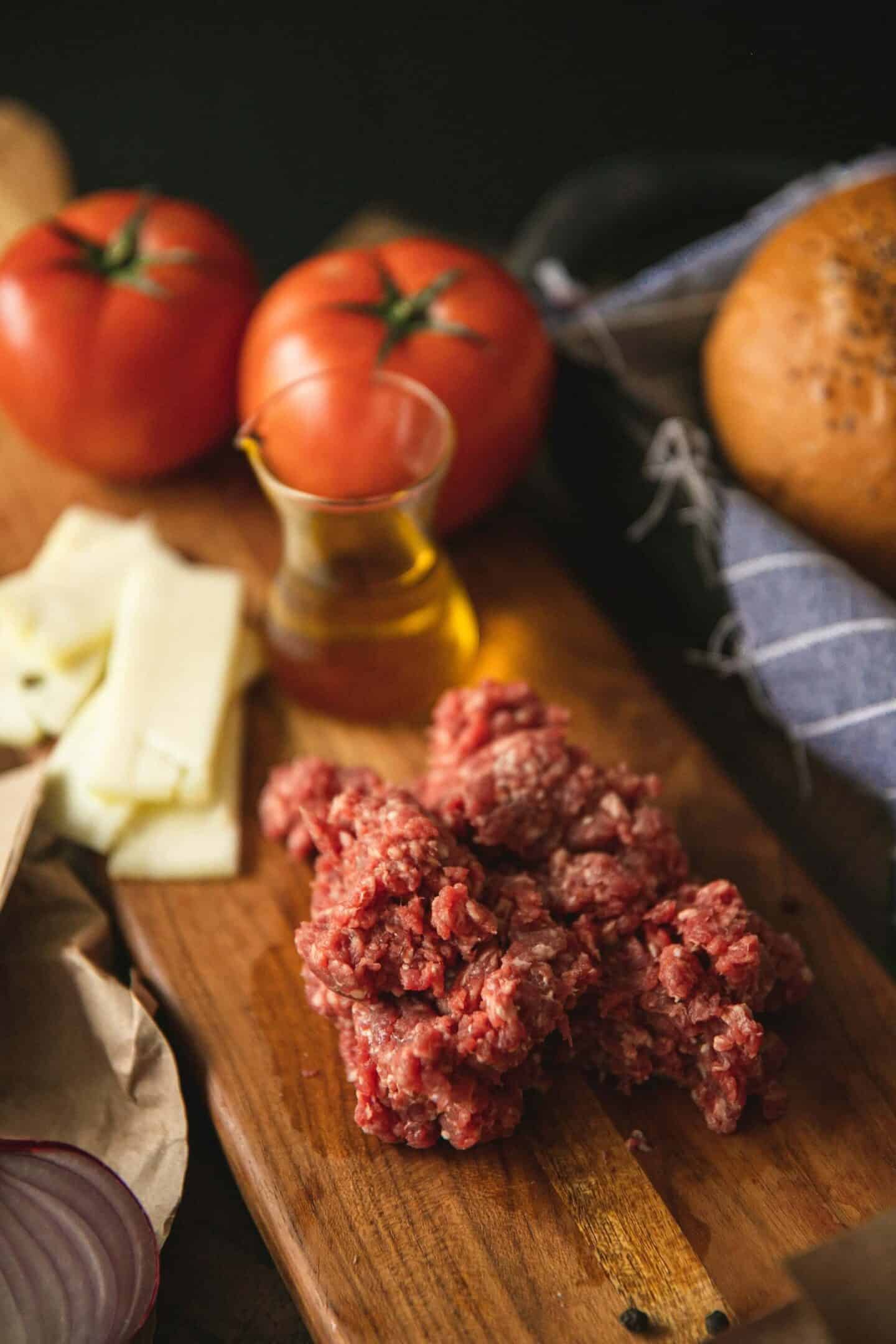
This preparation influences how the mince performs in a range of recipes. The 20% fat content gradually renders during cooking, helping meatballs retain moisture while allowing burgers to remain tender. At the same time, the mince breaks down evenly in slow-cooked sauces and ragùs without becoming coarse.
The Organic Butchery has also received recognition through the Great Taste Awards, Taste of the West Awards, BOOM Awards, and Best of Organic Market awards. These accolades cover products across its wider range and reflect assessment by independent judging panels.
Research Continues to Highlight Nutritional Differences
Interest in organic meat is also supported by ongoing scientific research. One of the most widely cited studies was led by Newcastle University and published in the British Journal of Nutrition. Researchers analysed findings from 67 international studies comparing organic and conventionally produced meat.
The review found that organic meat contained approximately 47% to 50% more beneficial omega-3 fatty acids than conventional meat. Researchers also identified reductions of between 11% and 18% in saturated fats such as myristic and palmitic acids. The authors linked these differences largely to farming systems that rely on grass-based diets and outdoor grazing.
Helen Browning, Chief Executive of the Soil Association, commented on the findings, saying, “The crucially important thing about this research is that it shatters the myth that how we farm does not affect the quality of the food we eat.” Her remarks reflected growing interest in how farming practices influence nutritional outcomes alongside environmental considerations.
From Everyday Suppers to Classic Family Recipes
Lamb mince remains one of the most adaptable ingredients in British kitchens. Its versatility allows it to move comfortably between traditional comfort food and international cuisine, making it suitable for both weekday meals and more elaborate dishes.
Recipes such as shepherd’s pie, cottage-style bakes, meatballs, koftas, burgers, Moroccan tagines, and Indian keema all benefit from a mince that combines flavour with reliable texture. The Organic Butchery states that its finely ground preparation helps the meat bind effectively while remaining easy to work with across different cooking methods.
Supporting Ethical Farming Through Regional Partnerships
The quality of organic lamb begins long before it reaches the butchery. The Organic Butchery works with a select group of certified farms across the West Country, including Frenchbeer Farm near Chagford in Devon. The Malseed family has managed the 1,200-acre hill farm for more than 30 years, raising sheep suited to the landscape and following certified organic farming practices.
According to the company, the sheep graze freely on diverse pasture and mature at a natural pace rather than through accelerated production methods. This slower system allows muscle and flavour to develop over time while meeting organic standards for welfare and land management.
Supply chain transparency has become increasingly important for consumers interested in where their food originates. By maintaining relationships with a smaller network of trusted farms, Organic Butchery provides information about the source of its lamb while supporting regional agriculture. The company says this close collaboration also helps maintain consistency across its product range.
Industry discussions surrounding sustainable food production increasingly focus on balancing environmental considerations with animal welfare and nutritional quality. Although researchers continue to examine the wider environmental impacts of different farming systems, certified organic production remains associated with stricter rules on livestock management, outdoor access, and feed than conventional systems.
Dr. Kathryn Clare of the London School of Hygiene & Tropical Medicine has commented on broader dietary trends, noting, “There is growing evidence to suggest that current consumption trends of red and processed meat are a threat to both human health and the health of the planet.” Her observation reflects ongoing research into encouraging higher-quality meat consumption alongside more considered purchasing habits.
A Growing Brand in a Changing Market
The Organic Butchery’s recent rebrand marks a new stage for a business that has operated for around a decade. While retaining its roots in Devon, the company has expanded its nationwide reach through chilled delivery across the UK, offering fresh rather than frozen meat prepared to order. Customers can choose delivery between Tuesday and Saturday, with mainland delivery available for qualifying orders.
The company reports that products are packed in temperature-controlled, sustainable packaging designed to maintain freshness during transit. Alongside lamb mince, the range includes organic beef, pork, poultry, wild game, and a variety of traditional cuts prepared using the same butchery principles.
Industry analysts have suggested that the UK’s fragmented organic meat market presents opportunities for continued growth. Company representatives have indicated that future plans may include a subscription model intended to strengthen long-term customer relationships while supporting predictable demand for British organic farms.
Conclusion
Organic lamb mince occupies an important place in modern home cooking because it combines versatility with familiar flavour. From shepherd’s pie and meatballs to curries and slow-cooked sauces, its adaptability continues to make it a popular ingredient across a wide range of recipes.
The Organic Butchery’s approach reflects several developments within the UK organic food sector. Certified sourcing, partnerships with West Country farms, traditional butchery, and independently recognised standards all contribute to the company’s offering.