
After all, choosing the right tires for regular driving makes a big difference in safety and comfort. There are many options available, so making an informed choice is essential. In this post, we’ll discuss what you need to think about when selecting tires for your day-to-day driving so you can make an informed decision.
Understanding Tire Types
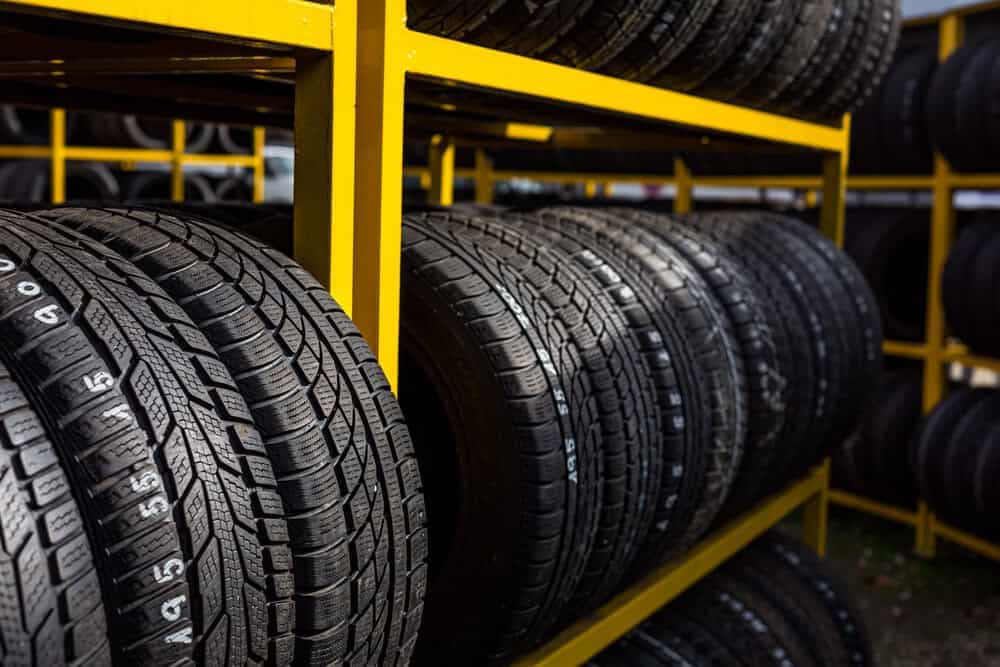
There are different kinds of tires, like Falkan tires, available on the market that fall into all categories and suit specific conditions. All-season tires are a common choice for daily driving. These strike a good compromise between performance and durability, regardless of the weather.
Another example is you can find summer tires that provide excellent handling on dry surfaces but may not perform well when the climate gets cold. Compounding such winter tires helps facilitate eastern road grip in heavy snowfall areas. It is important to understand these categories so that you can choose correctly.
Assessing Driving Conditions
Daily routes heavily influence tire selection. Urban drivers might prioritize comfort and lower fuel consumption, whereas drivers in the countryside would require tires with improved traction for rough surfaces. Think about average weather and road conditions. Knowing these facts makes it easier to select from among tires that will enhance safety and performance.
Examining Tire Size and Specifications
Selecting the appropriate tire size for the vehicle will give maximum output. The owner’s manual or a placard on the driver’s side door can provide the proper specs. Width, aspect ratio, and diameter are important metrics. Choosing the appropriate size has a direct impact on vehicle handling, fuel economy, and ride quality.
Evaluating Tread Patterns
Tread patterns also greatly influence how tires perform under specific conditions. Symmetrical tread patterns provide a cushioned and quiet ride, which is apt for city driving. Unlike symmetrical designs, directional treads give a better grip, especially when handling wet conditions. Directional tread, common in winter tires, improves grip on slick roads. Being aware of these patterns helps pick the tire best suited for the given requirements.
Considering Tread Life and Warranty
Tread life refers to the expected life of the tire. Lower cost per mile typically means more value for the money. Multiple manufacturers have warranties based on mileage, which indicates longevity. Ensuring these can save costs in the long term.
Evaluating Performance Ratings
Safety specifications like speed and load capacity should be in performance ratings. Speed ratings tell you how fast a tire is rated to travel safely. The load capacity is the amount of weight the tire can carry. To ensure safety and optimal performance, it is crucial to match these ratings with the specific requirements of each vehicle.
Budget Considerations
High-quality tires can be pricy, but the price is still a concern for many drivers. By comparing other brands and models with the same specifications, you can find budget-friendly options without sacrificing quality. Sales and discounts are also available seasonally.
Prioritizing Safety Features
Protection should always be your priority. These include characteristics like better grip level, stability, and plug charge resistance, which ensure safety while driving. Having safer tires will give you a sense of security on the road; hence, investing in the ones that are equipped with advanced features can be an ideal thing to do.
Environmental Impact
In recent years, eco-friendly tires have been developed, and they offer low environmental impact as well. These tires are typically low-rolling resistance tires that enhance fuel economy and lower emissions. By selecting sustainable products, you maintain performance while also doing your part for the environment.
Consulting Professionals
Talking to tire professionals can also help. Specialists can suggest alternatives that consider certain needs and preferences. They also ensure proper installation and maintenance, leading to greater longevity and improved tire performance.
Regular Maintenance
After getting the correct tires, you need to practice routine maintenance. Maintaining their lifespan can be achieved by inspecting the tire pressure, alignment, and rotation. Proper maintenance not only ensures safety but also enhances fuel economy and driving comfort.
Conclusion
Many things go into choosing the right tires for regular use: type, size, and performance. When drivers understand certain needs and priorities, they can enhance safety and comfort with smart decisions. The right pick can make daily travels easier and more comfortable.