
Think back ten years, and lip filler carried a specific reputation, one built almost entirely on the results that went wrong badly enough to get noticed. Nobody talked about the ones that looked fine, because nobody could tell. That asymmetry in visibility shaped public perception for a long time, and it’s taken a while to correct.
Regulatory clarity helped. The FDA has approved dermal fillers for lip augmentation in adults 22 years of age and older, a specific age threshold reflecting the agency’s guidance that facial development isn’t fully complete until that point. Patients across Las Vegas now walk into consultations with a much clearer sense of what’s actually sanctioned. Here’s exactly what’s driving the demand.
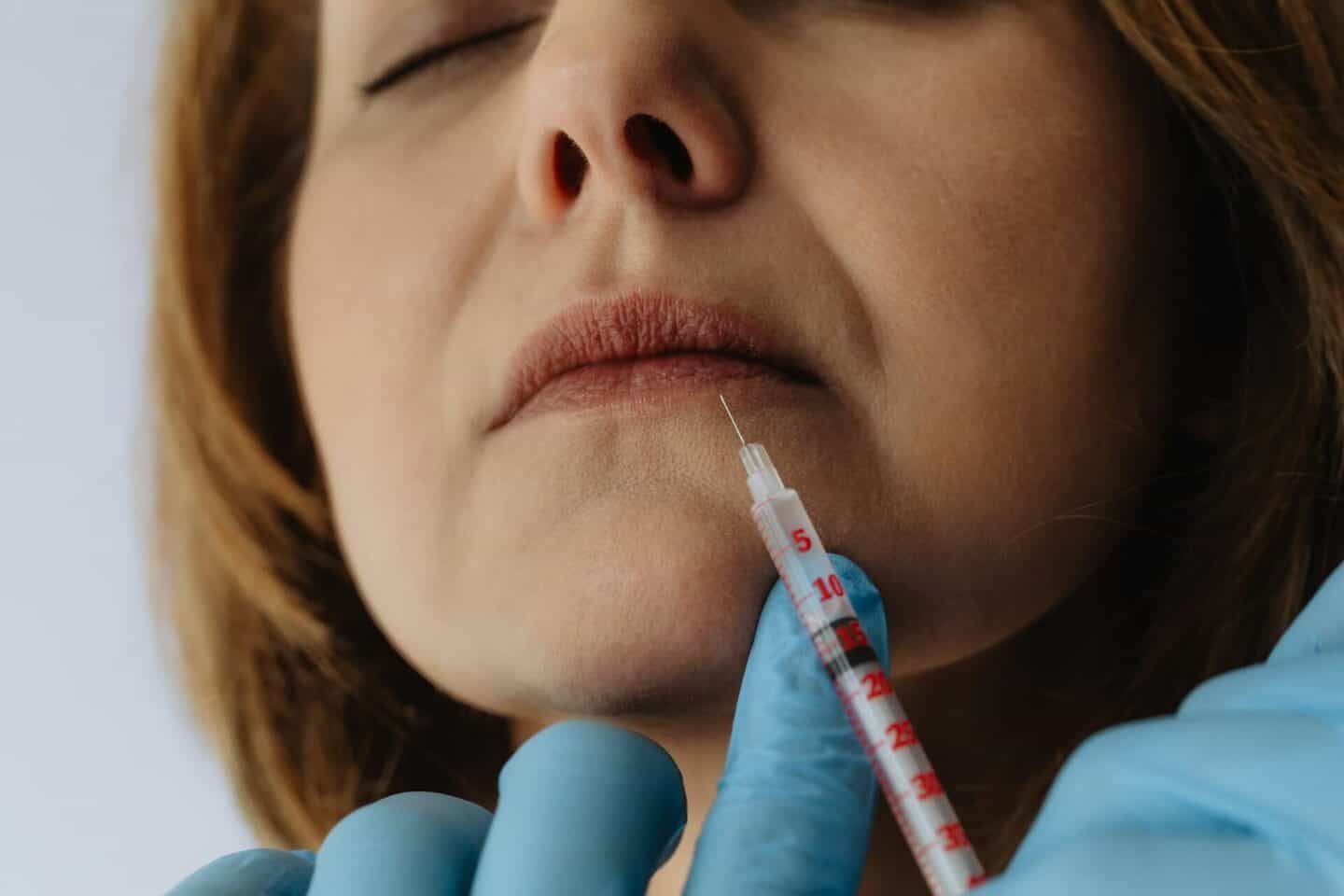
How a Niche Treatment Became a Routine Appointment
Lip filler moved from something people denied having done to something they book between other errands, and that shift happened faster than almost any comparable treatment. Part of it was simple exposure, as more people knew someone who’d had it and looked entirely normal afterward.
The other part was technical. Products improved, injectors trained more extensively, and the aggressive overfilling that defined early results fell out of favor. What people were reacting against a decade ago wasn’t lip filler itself so much as a particular approach to using it, and that approach has largely been abandoned by practitioners who care about their results.
Short Appointments Fit Into an Ordinary Day
An appointment typically runs somewhere between fifteen and thirty minutes, including the numbing period before injection. There’s no anesthesia, no preparation beyond avoiding blood thinners where advised, and no need to arrange a ride home. It’s genuinely the kind of appointment that fits between other obligations rather than requiring an entire day set aside for it.
That brevity removes the scheduling barrier that keeps people from pursuing anything requiring real time off. Most patients return to work the same day, though swelling in the first day or two is common enough that many prefer to book before a weekend. It’s worth planning around any event where you’d rather not be visibly swollen.
Subtle Results Have Replaced the Overfilled Look
Contemporary technique emphasizes conservative volume, careful placement, and building gradually across sessions rather than achieving everything at once.
- Conservative volume: using less product per session than older approaches typically favored
- Careful placement: positioning filler precisely to enhance natural shape rather than simply adding bulk
- Gradual buildup across sessions: allowing results to develop incrementally, with room to adjust before committing further
- A rested, proportional look as the goal: prioritizing subtlety over an obviously augmented appearance
This shift is what brought in a large group of people who’d ruled out the treatment entirely. If your objection was that you didn’t want anyone to notice, that concern is genuinely addressable with a light approach, though it depends heavily on the injector’s judgment and restraint. Anyone researching lip injections in Las Vegas should ask directly about a provider’s philosophy on volume, since that single question reveals more than most before-and-after galleries do. Lip augmentation is offered by practices in Las Vegas, including Stile Aesthetics, and questions about approach and product selection are appropriately raised during an initial consultation.
Reversibility Lowers the Stakes of Trying It
Most lip fillers currently used are hyaluronic acid-based, which means an enzyme called “hyaluronidase” can dissolve them if a patient dislikes the result or a complication arises. That reversibility is genuinely unusual among aesthetic treatments, since very few cosmetic procedures offer a built-in way to reverse the outcome entirely.
Knowing a decision isn’t permanent lowers the psychological barrier considerably for first-time patients. It also matters clinically, since the ability to dissolve filler quickly is an important safety tool if a vascular complication occurs. This is one reason FDA-approved hyaluronic acid products are preferred over permanent alternatives the agency hasn’t sanctioned for this use.
Volume Loss Affects More People Than Expected
Lips thin gradually with age as collagen production declines and the surrounding facial structure changes. Many patients seeking treatment aren’t looking for fuller lips than they’ve ever had; they’re trying to restore what was there fifteen years earlier. This distinction matters, since restoration and enhancement start from very different goals even though the treatment itself looks the same on paper.
Framed that way, the treatment appeals to a considerably broader group than the enhancement framing suggests. Patients in their forties and fifties now make up a meaningful share of appointments, often with goals that have nothing to do with the aesthetic that dominated early coverage of the treatment.
Things to Ask Before Your First Appointment
A few questions separate a well-informed first appointment from a hopeful one:
- Product and approval status: confirm the specific filler is FDA-approved for lip augmentation rather than used off-label
- Injector credentials: ask about medical qualifications and specific training in facial anatomy
- Volume plan: ask how much they recommend starting with and whether they’d rather build across sessions
- Complication protocol: ask what happens if something goes wrong and whether hyaluronidase is kept on site
A provider who answers the last question without hesitation is signaling they’ve thought seriously about the rare but genuine risks involved.
Conclusion
The popularity comes down to a combination that’s genuinely hard to find elsewhere in aesthetics: a short appointment, minimal disruption afterward, results that can be subtle when done well, and a product that can be dissolved if you change your mind. None of that makes it risk-free. Vascular occlusion, while rare, is a serious complication, and outcomes depend enormously on who holds the syringe. The treatment is also temporary, which means an ongoing cost if you want to maintain results. Whether it makes sense for you is a question for a qualified medical provider who’ll discuss the downsides as readily as the appeal.