
Over the years, liposuction techniques have evolved through advances in surgical tools, fluid science, and an improved understanding of how fat cells behave in the body. Today, as we can see even here in Denver, the procedure focuses less on dramatic fat removal and more on thoughtful body contouring. Surgeons aim to reshape areas where fat tends to resist diet and exercise.
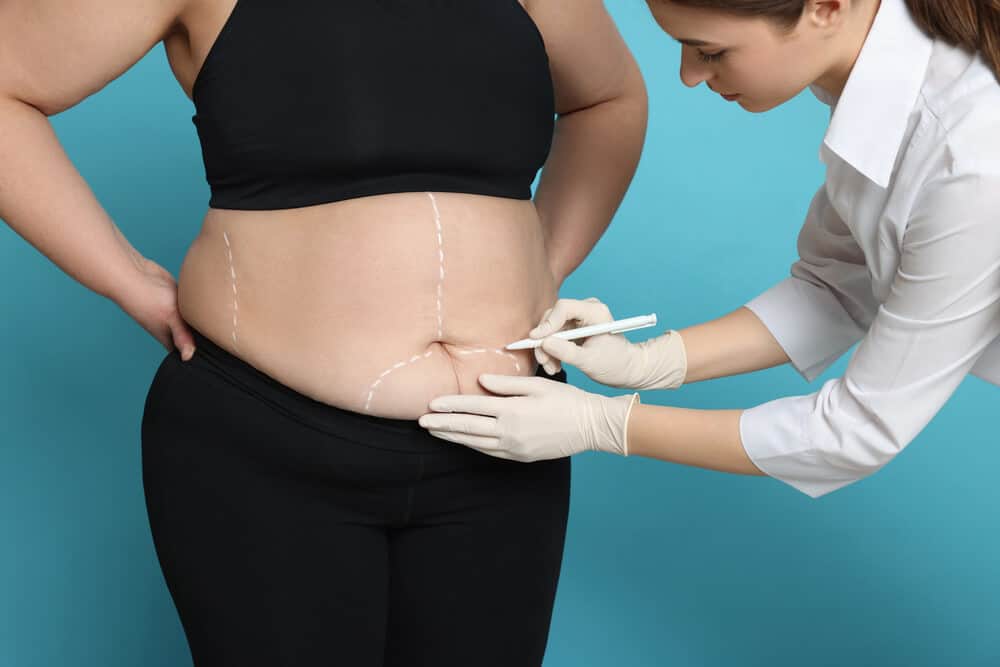
If you’ve been curious about how liposuction actually works, it helps to look beyond the surface. The procedure relies on several scientific principles, and it also comes with clear boundaries. Understanding both sides can help you approach the topic with realistic expectations.
Below are five key insights that explain the science behind liposuction and the limitations that come with it.
1. Liposuction Works by Physically Removing Fat Cells
At its core, liposuction is a mechanical process. Fat cells are not dissolved or burned away. They are removed from the body through a small surgical instrument called a cannula.
During the procedure, the surgeon inserts the thin cannula through small incisions in the skin. The device is connected to suction equipment that gently removes fat cells from the targeted area. These cells are permanently taken out of the body.
Adults have a fairly stable number of fat cells. According to research published in the journal Nutrients, the number of fat cells in the body remains relatively constant after adolescence. That means once fat cells are removed through liposuction, they do not typically grow back in the same location.
However, this does not mean future weight gain becomes impossible. Remaining fat cells can still expand if a person gains weight later. Because of this, surgeons usually recommend that people be close to their stable weight before considering the procedure.
2. Liposuction Shapes the Body but Does Not Replace Weight Loss
One of the most important limitations of liposuction is that it is not designed to treat obesity. The procedure targets specific areas where fat tends to linger despite healthy habits. Common treatment zones include the abdomen, thighs, flanks, upper arms, and under the chin.
This is why liposuction is often described as a contouring procedure rather than a weight-loss solution.
For example, someone might maintain a healthy lifestyle but still notice stubborn fat around the waist or hips. In that situation, procedures like liposuction in Denver are typically considered for reshaping those resistant areas rather than changing overall body size. Medical practices such as Colorado Plastic Surgery Center often explain this distinction when discussing body contouring options with patients. Education around expectations plays an important role in helping people decide whether the procedure aligns with their goals.
3. Modern Techniques Use Fluid Science to Improve Safety
One of the biggest advances in liposuction came with the development of the tumescent technique. Before fat removal begins, the surgeon injects a specialized solution into the targeted area.
This fluid usually contains three components:
- Saline to expand the fatty tissue
- A local anesthetic to reduce discomfort
- Epinephrine to minimize bleeding
The fluid causes the treatment area to swell slightly. This swelling separates fat cells from surrounding structures, making them easier to remove with less trauma to blood vessels and nerves.
This technique significantly improved safety compared to early liposuction methods. The use of tumescent fluid has helped reduce complications such as blood loss and bruising.
4. Different Technologies Help Break Down Fat Before Removal
Not all liposuction procedures rely solely on suction. Several technologies can help break down fat before it is removed. Some commonly used methods include:
- Ultrasound-assisted liposuction (UAL), which uses sound waves to loosen fat cells
- Laser-assisted liposuction, which uses controlled heat energy
- Power-assisted liposuction, where the cannula moves with gentle mechanical vibration
Each of these approaches targets fat cells slightly differently. The goal is to make fat easier to extract while reducing strain on surrounding tissue.
Technology also allows surgeons to treat fibrous areas of the body more effectively. Regions such as the back or male chest tend to have denser fat layers, which can be harder to remove using traditional methods alone.
While these technologies can support precision, they still rely on the same basic principle. Fat cells are physically removed once they are loosened.
Access to these technologies varies widely by country, and so does the price. Bookimed publishes expert insights on liposuction in Thailand, where UAL and VASER options are widely available.
5. Skin Elasticity and Healing Affect the Final Results
Another scientific factor that influences liposuction results is skin elasticity. After fat is removed, the surrounding skin must adapt to the new contours underneath. The skin’s ability to retract depends on several biological factors, including age, genetics, and overall skin quality.
Younger skin generally contains higher levels of collagen and elastin, which allow it to tighten more easily after fat removal. Skin that has lost elasticity over time may not shrink as effectively.
This is why surgeons evaluate skin quality during consultations. In some cases, additional procedures may be recommended to improve contour if skin laxity is significant. Healing also affects how quickly the final shape becomes visible.
Swelling is common after liposuction and can take weeks or even months to fully settle. As the body recovers, tissues gradually adapt to their new shape. The final results often appear gradually rather than immediately.
Final Thoughts
Liposuction may appear straightforward on the surface, but the procedure is built on several layers of science. From the mechanical removal of fat cells to fluid-assisted techniques and advanced surgical tools, each step is designed to make body contouring more precise and safer than it once was.
At the same time, liposuction has clear limits. It does not replace healthy lifestyle habits, and results depend on factors such as skin elasticity and long-term weight stability.
Understanding both the techniques and the boundaries of the procedure helps paint a more accurate picture. And for many people exploring body contouring, that clarity is where informed decisions truly begin.