
Baby keepsakes often carry family history in materials that react differently to pressure, moisture, and temperature. Families using us.meest.com for an overseas parcel can reduce avoidable damage by preparing each item according to its material and present condition.
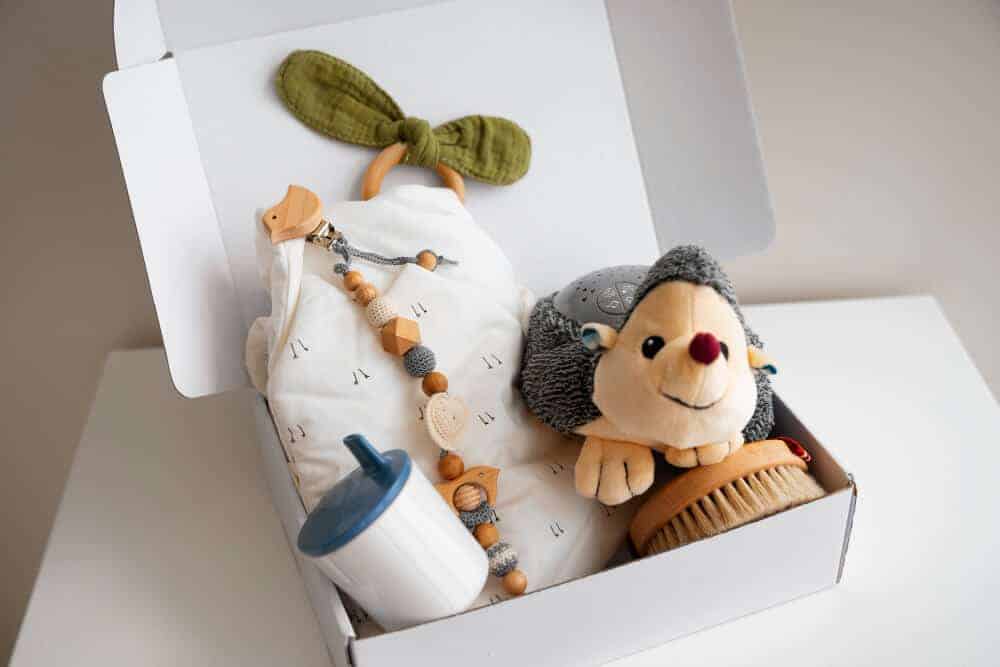
Separate Materials Before Building Protective Layers
Textiles, paper, photographs, and small hard objects should not share the same protective treatment. Begin by identifying the main risk associated with each keepsake:
- baby clothing — follow the care label, dry the fabric completely, and fold it without sharp creases;
- paper records — place birth announcements and certificates in clean, acid-free sleeves with rigid backing;
- photographs — use archival sleeves and smooth support that protects corners without touching the image surface;
- metal keepsakes — wrap jewelry or engraved objects separately so edges cannot snag fabric or mark paper;
- ceramic or glass pieces — cushion each object individually and keep it away from the box walls.
These barriers prevent one material from staining, scratching, or pressing against another during ordinary parcel movement. The protected groups can then be arranged inside a sturdy box without direct contact.
Old ribbons, printed tissue, and strongly dyed fabrics may transfer color when enclosed beside pale textiles or paper. Adhesive tape can stain fibers and photographs over time, so it should secure only outer wrapping, never the keepsake itself. Plain, clean barriers are safer than decorative materials of unknown composition.
Record Condition and Stabilize the Parcel
A simple condition record preserves useful details before the items leave home. Photograph each keepsake from more than one angle in neutral light, then note existing stains, faded areas, loose stitching, chips, or scratches. An inventory should identify every item without including unnecessary personal data.
The box needs enough room for protection but not for uncontrolled movement. Place the most stable, well-cushioned objects near the base, while flat paper groups remain supported and clear of pressure points. Fill open spaces with clean material until the contents stay in place during a gentle tilt test.
Moisture protection should block outside dampness without trapping wet fabric inside. Avoid scented paper, newspaper, loose powders, or materials that can shed color and residue. A sealed inner sleeve can protect vulnerable paper and textiles, provided every item is completely dry before enclosure.
Prepare the Recipient for Handoff and Storage
The recipient should know that a meaningful parcel is coming, even when the contents remain a surprise. Confirm the delivery address, contact details, building access, and a suitable person for acceptance. Shared tracking information allows the family to notice requests or missed-delivery updates promptly.
After arrival, the closed parcel can rest indoors until it reaches room temperature, especially after cold or humid weather. Unpacking should happen on a clean, dry surface with enough space to lift each protected group rather than pulling it past harder objects.
A short enclosed note can explain which sleeves and backing boards are intended for continued storage. Paper and photographs benefit from a cool, dry, dark location, while textiles need breathable, clean protection. Small metal, ceramic, or glass keepsakes should remain separated from softer pieces.
Thoughtful preparation protects both the objects and the memories they represent. With accurate details, stable layers, and clear guidance, Meest-America can help the keepsake parcel reach family abroad ready for respectful storage and future sharing.