
The soap aisle hasn’t changed much in twenty years, and neither has it. Most people’s opinions about it are soap is soap; the cheapest one works, move on. Then a lot of people started noticing their skin was drier than it used to be, or that a persistent breakout on the back or shoulders never quite resolved, and started reading ingredient lists for the first time.
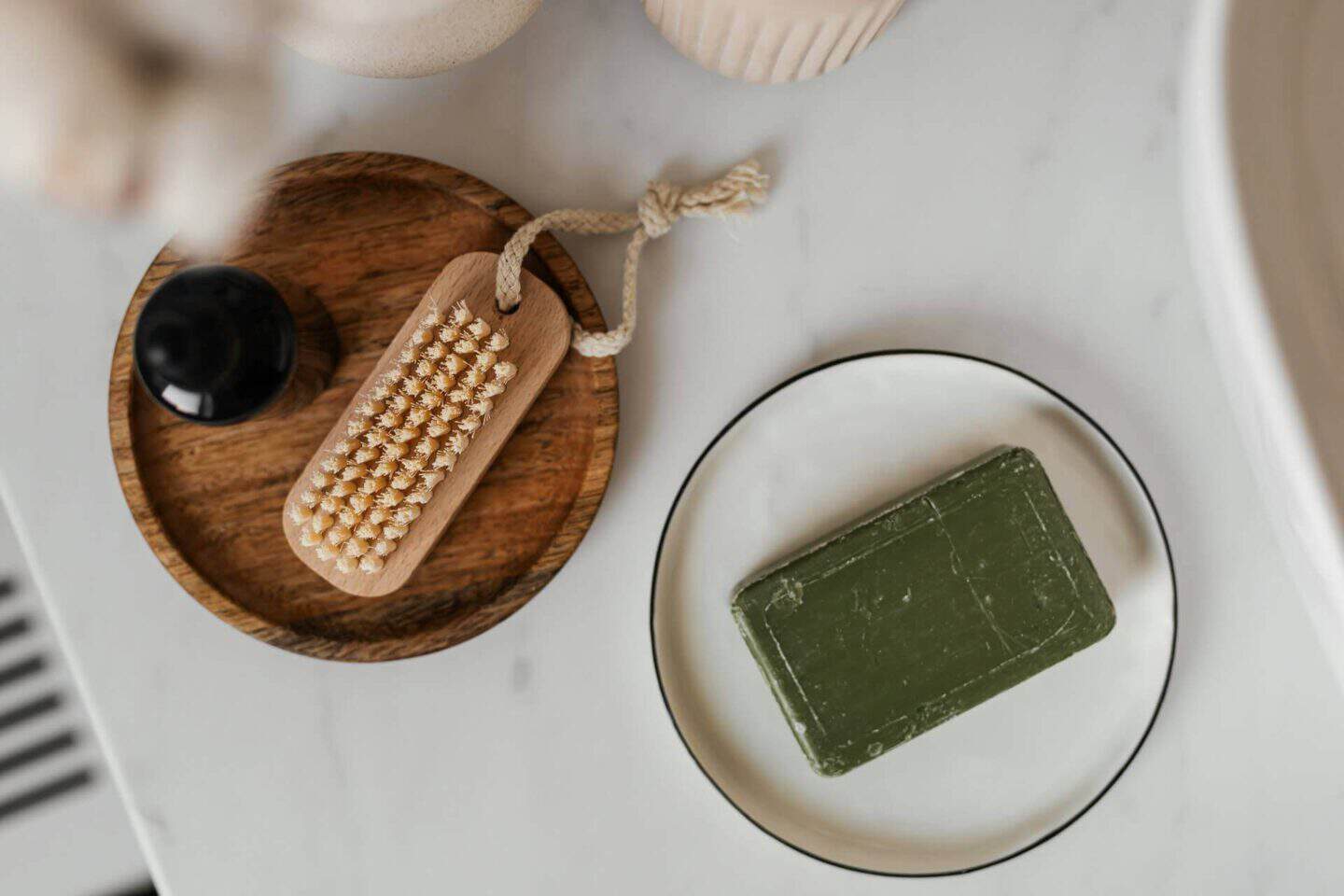
What they found in tea tree soap is a bar doing something genuinely different from conventional detergent-based products. The evidence behind it is more substantial than most natural-ingredient claims, though it comes with real caveats worth knowing. Soap makers have built entire product lines around this shift.
What’s Actually in Conventional Bar Soap
Most mass-market bars aren’t soap in the traditional sense. They’re synthetic detergent bars, built around surfactants like sodium lauryl sulfate, with hardeners, fragrance, and preservatives added.
These clean effectively, which is the point. The tradeoff is that strong surfactants strip skin lipids along with dirt, which is why skin can feel tight after washing and why some people find their moisturizer never quite compensates. For most people this is tolerable. For anyone with sensitive or already-dry skin, it’s frequently the unrecognized source of an ongoing problem.
The Science Behind Tea Tree Oil’s Antimicrobial Activity
Tea tree oil has an unusually solid research base for a botanical ingredient. Work published through the NIH’s National Center for Biotechnology Information describes the oil as containing roughly 100 different compounds, with terpinen-4-ol, gamma-terpinene, and 1,8-cineole most responsible for its biological activity against fungi, bacteria, and viruses.
The proposed mechanism is that these components incorporate into bacterial membranes and disrupt their function, which is meaningfully different from how conventional antibacterial agents work. That distinction matters for a reason worth understanding: mechanisms of this kind are harder for bacteria to develop resistance against than single-target antibiotics.
Natural Skin Care for Persistent Skin Issues
The specific population driving this shift tends to be people managing something conventional soap wasn’t addressing. The tea tree oil is antimicrobial and anti-inflammatory with demonstrated efficacy against Staphylococcus aureus, with few apparent side effects when used in low topical concentrations.
That combination of antimicrobial and anti-inflammatory activity explains the appeal for body acne, folliculitis, and the general category of persistent minor skin irritation. It’s worth being clear this is supportive rather than curative, and genuine dermatological conditions need actual treatment rather than a change of soap.
The Formulation Matters as Much as the Ingredient
Tea tree oil alone doesn’t determine how a soap will feel on your skin. The rest of the formulation matters just as much. Tea tree oil in a harsh detergent base can still result in a drying or irritating cleansing experience, which is why simply seeing “tea tree” on a label doesn’t necessarily mean the product will deliver the gentler experience you’re looking for.
Traditional saponified oil bases can provide a different cleansing experience than conventional detergent-based bars. A well-formulated tea tree soap, for example, can combine tea tree oil with a traditional soap base rather than simply adding it as an extra ingredient. Beessential is one brand that uses this approach in its bar soaps, offering an alternative to formulas built primarily around synthetic detergents.
Concentration and Contact Time Have Real Limits
Here’s the honest caveat. Most of the antimicrobial research tests tea tree oil at concentrations and contact times that a soap bar doesn’t replicate, which matters more than people assume when comparing lab results to what a bar of soap can realistically deliver.
A soap is on your skin for perhaps thirty seconds before being rinsed away. Whatever benefit occurs is real but considerably more modest than the laboratory data implies, and anyone expecting a soap to perform like a topical treatment will be disappointed. The reasonable framing is a gentler wash with mild antimicrobial support, not a medicated product, and setting that expectation accurately from the start prevents the kind of letdown that comes from overestimating what a quick rinse can actually accomplish.
Tea Tree Oil Requires Careful, Proper Use
Tea tree oil is a known contact allergen, and contact dermatitis is the most commonly reported adverse effect.
- Contact dermatitis: occurs in a minority of people but isn’t rare, and remains the most commonly reported adverse effect
- Oxidized oil raises risk: oil that has been stored improperly appears more likely to trigger a reaction
- Patch testing is worthwhile: particularly for anyone with a history of reacting to botanical ingredients
- Toxicity if ingested: a genuine concern for households with small children
These aren’t reasons to avoid it; they’re reasons to introduce it deliberately rather than assuming natural means are uniformly safe.
Conclusion
If conventional soap has been working fine, there’s no particular reason to change. The people who benefit most are those dealing with tightness after washing, persistent body breakouts, or general irritation they’ve been attributing to something else. For that group the research supports a real if modest benefit, and the gentler base is probably doing as much work as the oil itself.
Introduce it on a small area first, buy from somewhere with reasonable turnover so the oil hasn’t oxidized on a shelf, and treat it as a better daily wash rather than a treatment. If a skin problem is significant enough to genuinely bother you, that’s a dermatologist conversation rather than a soap aisle one.