
So your child has come home from school buzzing with excitement about joining the band, and somehow, they have decided they want to play the tuba. Maybe it caught you off guard. It is not exactly the instrument most parents see coming. But once you get past the initial “that’s a very big instrument” moment, you start realising there is actually quite a lot to figure out before you buy or rent one.
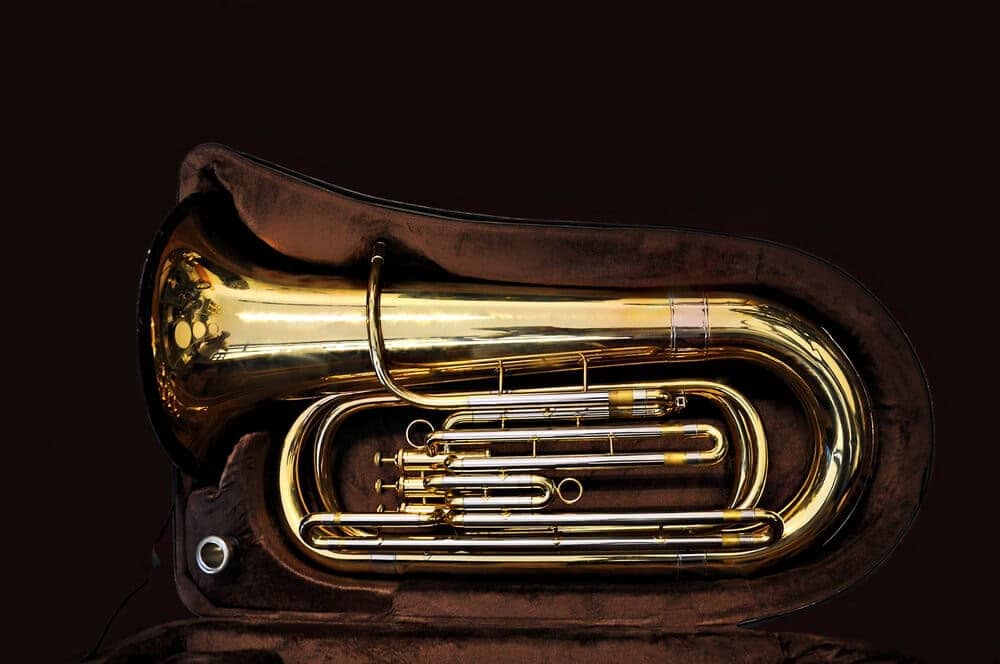
Choosing the wrong tuba for a beginner can make learning feel twice as hard, and cost a lot more money than it needs to. Here are five things worth knowing before you make that decision.
1. Start With a Smaller Size
A lot of parents assume bigger equals better when it comes to brass instruments. With tubas, that is really not the case for beginners, especially younger ones. Tubas come in different sizes, from 1/4 and 3/4 models right up to full 4/4 concert options. For newbies, experts often recommend starting with 3/4 size tubas, as they are usually lighter, more beginner-friendly, and they give younger players a much better chance of developing proper posture and breath control. Of course, a child who is still growing will struggle with a full-size instrument.
Instrument shops such as O’Malley Musical Instruments usually stock 3/4 Bb models specifically designed for students who are still building strength and technique. At that size, the tubing is shorter and the instrument sits more comfortably against a smaller body, which means a young player can actually focus on producing a steady tone instead of just trying to hold the thing up. Getting the fit right early on makes a real difference to how quickly a child progresses and whether they actually enjoy it.
2. BBb vs. EEb: Know the Key Difference
This is one of those things that causes a lot of confusion for parents who are new to brass instruments. Tubas come in different pitches, mainly BBb (double B flat) and EEb (double E flat), as well as Cc and FF models used by more advanced players.
For most beginners in a school band setting, a BBb tuba is the standard starting point. It has a deeper, rounder sound and is widely used in concert and marching bands across the US. EEb tubas are more common in British-style brass bands, so the right choice will partly depend on where your child is playing. If you are not sure which key your child’s director wants, just ask before you buy. It is a simple question that can save a lot of hassle.
3. Valve Type Affects How Easy It Is to Learn
Tubas use either piston valves or rotary valves. Piston valves move up and down, a bit like on a trumpet, and most beginner tubas use this style because they feel more natural to new players. Rotary valves spin side to side and are common on professional instruments, particularly in European orchestral playing.
For a beginner, piston valves are almost always the better choice. They are easier to understand mechanically, easier to maintain, and most beginner method books are written with piston valve technique in mind. It sounds like a small detail, but the wrong valve type can genuinely slow a beginner down and make practice feel more frustrating than it needs to be.
4. Renting First Is Often the Smarter Move
Brand new tubas are not cheap. Even entry-level models can run into the thousands, and if your child decides three months in that they would rather play the flute, that is a tough financial hit to absorb. Renting gives you breathing room. Most instrument shops, including specialist brass dealers, offer rental contracts that let you apply rental payments toward a purchase later on.
What we have seen happen time and again is that families buy a cheap, no-name instrument online, thinking they are saving money, only to find that the valves stick, the intonation is off, and the teacher can not get a decent sound out of it even in a lesson setting. A decent rental from a reputable dealer nearly always beats a budget buy for a first-year student. Once your child has stuck with it for six to twelve months, then it makes sense to start looking at purchasing.
5. A Good Tuba Beats a Cheap Import
Whether you choose to rent or buy, there is a big gap between instruments made by established brass manufacturers and cheaper imports. The materials, the valve tolerances, the quality of the lacquer, and the bracing all affect how the instrument sounds, how it holds up to regular use, and how easy it is to maintain. Brands like Jupiter, Eastman, John Packer, and Azumi have proven track records in student and intermediate lines.
This does not mean you need to spend a fortune. It means being selective of the instument you’re going for, even when renting. A well-made mid-range tuba will outperform a cheap import every single time. And if you buy, it will hold its resale value much better too. Ask the music director what brands they recommend, and look for dealers who offer servicing and repair support alongside the sale or rental.
Wrapping Up
Choosing a first tuba does not have to be stressful, but it does take a bit more thought than just picking the shiniest one in the catalogue. Size, key, rental versus purchase, valve type, and build quality all play a role in whether your child gets off to a good start or spends the first year fighting with an instrument that does not suit them.
Do your research, talk to the band director, and do not be afraid to ask a specialist dealer plenty of questions. The right tuba makes learning genuinely fun, and that is what really matters in the end.