
Bringing a baby into the world is an incredible experience, but the postpartum period can also feel physically and emotionally overwhelming. Between sleepless nights, hormonal changes, and the demands of caring for a newborn, many mothers struggle to prioritize their own health. Nutrition plays a major role in postpartum recovery, helping the body heal while supporting energy levels, mood balance, and overall well-being.
Understanding the best foods for postpartum recovery can make this transition smoother and healthier. The right nutrients can aid tissue repair, replenish depleted vitamins and minerals, and even support mental clarity during a time when stress and anxiety may be heightened.

Why Postpartum Nutrition Matters
After childbirth, the body requires extra nutrients to recover from labor, regulate hormones, and maintain energy. Mothers who are breastfeeding also need additional calories and hydration to support milk production. Eating balanced meals filled with whole foods can help reduce fatigue and improve emotional wellness.
Postpartum recovery is not only physical. Mental health is equally important during this stage. Nutritional deficiencies, exhaustion, and hormonal shifts may contribute to mood swings, brain fog, and concentration difficulties. Some women may even notice symptoms similar to attention-related challenges, making it harder to stay organized or focused during early motherhood.
In some cases, mothers who already struggle with focus and attention may explore tools like an online ADHD assessment to better understand their symptoms and seek professional guidance if needed.
The Best Foods for Postpartum Recovery
Choosing nutrient-dense foods can help restore strength and support overall health after childbirth. Here are some of the best foods for postpartum recovery that every new mom should consider adding to her diet.
1. Salmon and Fatty Fish
Fatty fish such as salmon, sardines, and mackerel are packed with omega-3 fatty acids, which support brain health and reduce inflammation. Omega-3s are especially important during the postpartum stage because they may help stabilize mood and support cognitive function.
Salmon is also an excellent source of protein and vitamin D, both essential for recovery and immune support.
2. Eggs
Eggs are one of the most versatile and affordable postpartum foods. They provide high-quality protein, choline, vitamin B12, and healthy fats.
Choline is particularly important because it supports memory, brain development, and nervous system function. For breastfeeding mothers, consuming enough choline can also benefit the baby’s brain development.
3. Leafy Green Vegetables
Spinach, kale, Swiss chard, and other leafy greens are rich in iron, calcium, magnesium, and folate. Iron is especially critical after childbirth since blood loss during labor can leave many women feeling weak and fatigued.
Magnesium may also help with relaxation, sleep quality, and muscle recovery.
4. Oats
Oats are a comforting and nutrient-rich option for postpartum mothers. They contain fiber, iron, and complex carbohydrates that provide steady energy throughout the day.
Many breastfeeding mothers also find oats helpful for supporting milk supply. A warm bowl of oatmeal topped with berries and nuts makes an easy and nourishing breakfast.
5. Greek Yogurt
Greek yogurt is loaded with protein, calcium, and probiotics. Probiotics can help improve gut health, which may positively impact mood and immunity.
Since hormonal fluctuations can sometimes affect digestion after pregnancy, probiotic-rich foods may support better digestive balance during recovery.
6. Nuts and Seeds
Almonds, walnuts, chia seeds, flaxseeds, and pumpkin seeds are excellent sources of healthy fats, fiber, and minerals.
Walnuts and flaxseeds contain omega-3 fatty acids, while pumpkin seeds are rich in magnesium and zinc. These nutrients can help support energy production and immune health.
7. Sweet Potatoes
Sweet potatoes are full of complex carbohydrates, vitamin A, and potassium. They provide lasting energy without causing blood sugar spikes.
Vitamin A is particularly beneficial for tissue repair and immune function, making sweet potatoes one of the best foods for postpartum recovery.
8. Lean Protein Sources
Chicken, turkey, beans, lentils, and tofu all provide protein necessary for healing and muscle repair.
Protein also helps stabilize blood sugar levels, which may reduce mood fluctuations and prevent energy crashes during long days with a newborn.
9. Berries
Blueberries, strawberries, raspberries, and blackberries are packed with antioxidants and vitamin C.
Antioxidants help fight inflammation and oxidative stress, while vitamin C supports collagen production and wound healing.
10. Bone Broth
Bone broth is gentle on digestion and rich in collagen, amino acids, and minerals. Many new mothers appreciate its comforting qualities during the early postpartum weeks.
Collagen may help support skin elasticity, joint health, and tissue repair after childbirth.
Hydration Is Just as Important
Proper hydration is often overlooked during postpartum recovery. Water supports milk production, digestion, circulation, and energy levels.
New mothers should aim to drink water consistently throughout the day, especially if breastfeeding. Herbal teas, coconut water, and water-rich fruits can also help maintain hydration.
Supporting Mental Wellness Through Nutrition
The postpartum stage can affect emotional health in many ways. Sleep deprivation, hormonal changes, and the pressures of parenting may increase stress and anxiety.
A nutrient-rich diet can support mental wellness by helping regulate neurotransmitters and stabilize blood sugar levels. Foods rich in omega-3s, B vitamins, magnesium, and protein are particularly beneficial for cognitive health and mood balance.
Some mothers may also experience ongoing struggles with concentration, forgetfulness, or overwhelm beyond typical postpartum fatigue. If attention challenges persist, seeking professional guidance and considering an online ADHD assessment may provide additional insight into underlying cognitive or attention-related concerns.
Simple Meal Ideas for Busy New Moms
Preparing nutritious meals while caring for a newborn can feel difficult. Simple and practical meal ideas can make healthy eating more manageable.
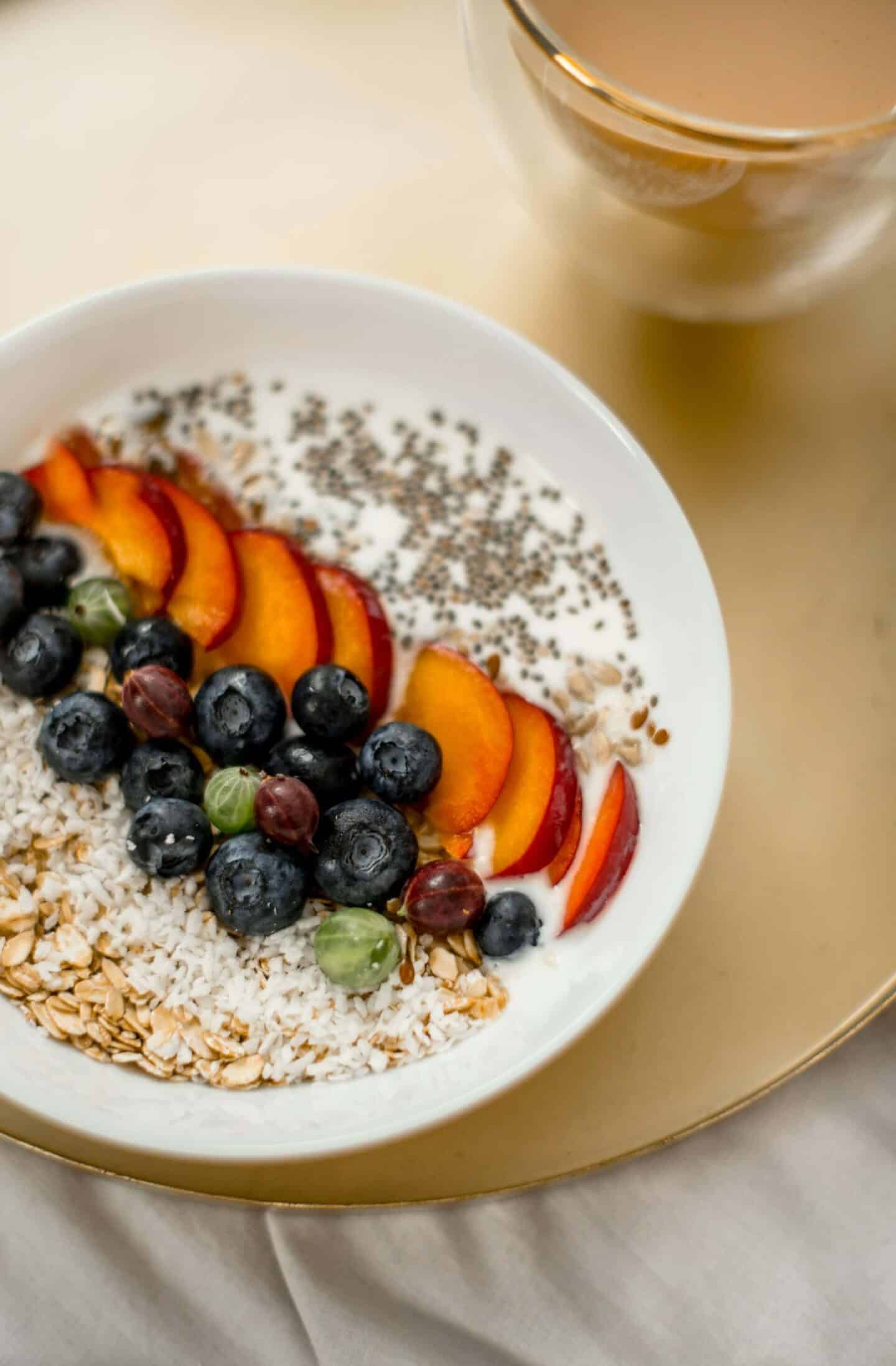
Quick Breakfast Ideas
- Oatmeal with berries and chia seeds
- Greek yogurt with granola and fruit
- Scrambled eggs with spinach
Easy Lunches
- Salmon salad with leafy greens
- Lentil soup with whole-grain bread
- Chicken and vegetable wraps
Nourishing Dinners
- Baked sweet potatoes with grilled chicken
- Stir-fried vegetables with tofu and rice
- Bone broth soup with shredded chicken and kale
Healthy Snacks
- Mixed nuts and dried fruit
- Apple slices with peanut butter
- Protein smoothies with spinach and berries
Foods to Limit During Postpartum Recovery
While focusing on nutrient-rich foods is important, some foods may negatively impact recovery when consumed excessively.
Highly Processed Foods
Processed snacks and fast foods are often high in sugar, unhealthy fats, and sodium while lacking essential nutrients.
Excessive Caffeine
Too much caffeine may worsen anxiety and interfere with sleep quality for both mother and baby.
Sugary Drinks
Sugary beverages can contribute to energy crashes and unstable blood sugar levels.
Moderation is key. Occasional treats are completely normal, but prioritizing whole foods can support long-term recovery and wellness.
Final Thoughts
Recovering after childbirth requires patience, support, and proper nourishment. Choosing the best foods for postpartum recovery can help mothers regain energy, heal physically, and maintain emotional well-being during this life-changing stage.
Nutrient-dense foods such as salmon, eggs, leafy greens, oats, berries, and lean proteins provide the vitamins and minerals needed for recovery and mental wellness. Staying hydrated and paying attention to emotional health are equally important.
Every postpartum journey is different, and taking care of your body through balanced nutrition is one of the most valuable steps you can take for both yourself and your baby.