
Boston is a fantastic destination for a family trip. It’s not complicated to get around the city, even with young children, and there’s something for everyone to see and do. As well as big historic attractions like the Tea Party Ships, the city also has lots of parks for kids to play in, shopping for the retail addicts in your party, a great food and nightlife scene, and some truly stunning photo opportunities. However, where you stay can make a big difference to how your trip goes – especially when you’re traveling as a family. So, to help you out, here’s a guide to the best areas for families to stay on a trip to Boston:
Choosing a base that keeps things simple
If you plan to stay at a hotel in Boston, focus as much on location in your search as you do on amenities, etc. Look for areas that are either close to your must-see areas or that have good transport links to them. You’re likely to spend some time moving between Boston Common, the New England Aquarium, and the North End, so a hotel near these routes is a good logistical choice. Similarly, if you stay somewhere that links well with the subway, you can adjust your plans without long walks or complicated transfers. That kind of setup makes it easier to handle tired children or sudden changes in weather.
Downtown and the waterfront for easy access
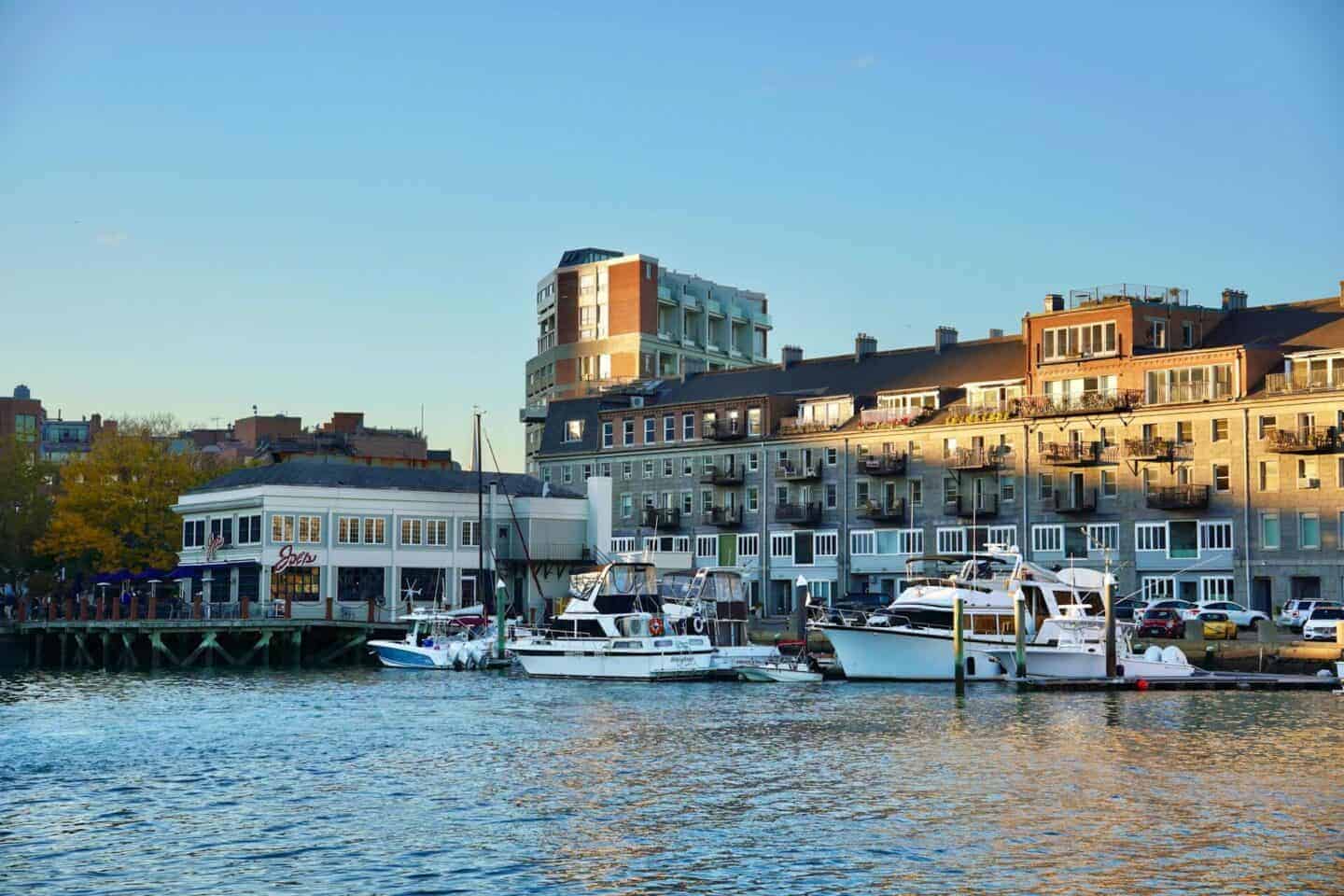
If you want a straightforward base, look at downtown or the waterfront. From here, you can easily walk to Boston Common, Faneuil Hall, and the harbor area without needing to navigate the transit system – ideal for families with young children and strollers, or those who aren’t confident using transit.
It’s also a very convenient area for young children or older family members who might need regular breaks – you can stroll out in the morning, return for a rest, then go back out again without a long journey.
On the entertainment side of things, the waterfront gives you access to boat trips, which can be a lot of fun, provide some great photo opportunities, and show you the famous harbor at its most scenic.
Back Bay for space and convenience
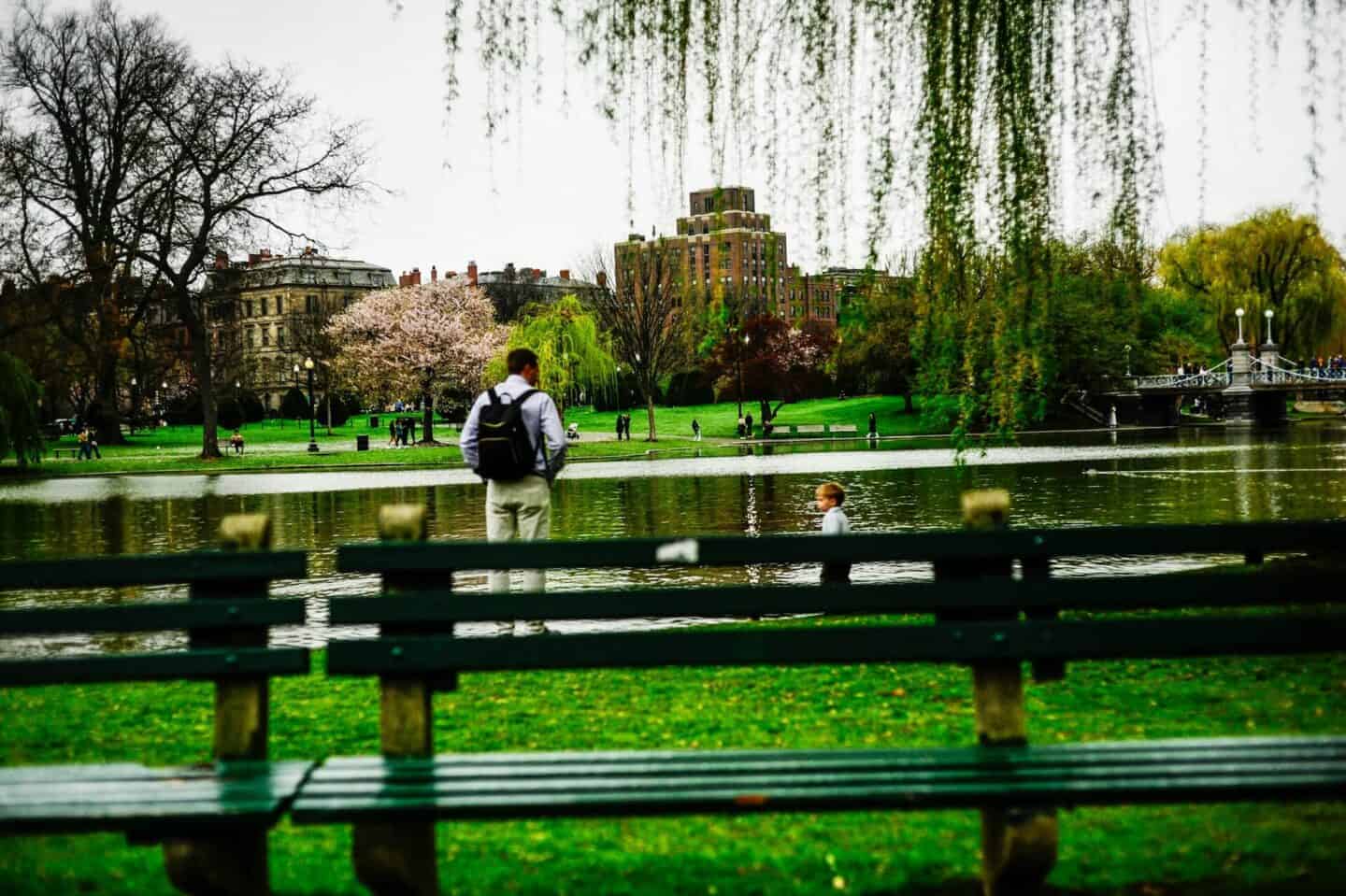
Back Bay has wider streets, plenty of shops, and easy access to green space. You can walk to the Public Garden and Boston Common easily from here – ideal if you have kids who like to let off steam outdoors. The streets here also feel less crowded than some parts of downtown, which helps a lot if you have strollers or wheelchair users in your party.
Back Bay has strong transport links, so you can reach other areas easily without relying on long walks – but if you aren’t confident navigating public transit, it may be worth looking into rideshare or car rental options if you choose to stay here.
Cambridge for a quieter pace
If you prefer a quieter base, look across the river to Cambridge. You can still reach central Boston quickly by subway from here, but you won’t have to worry about crowds and nighttime noise as much as you would if staying in central Boston
Remember, ‘quiet’ doesn’t mean ‘boring’. There’s plenty to do in Cambridge. You can walk around Harvard Yard, relax at charming cafes, and generally enjoy the creative, intellectual vibe.
North End for food-focused days
If you’re a foodie family, you can’t go wrong with North End. There are plenty of food stops here, including bakeries, casual restaurants, high-end dining, street food, and more. There are also plenty of small parks in the area, so you can picnic with your takeout or simply relax and drink in the ambiance.
Do bear in mind that the streets are narrower here, and it’s a popular area that can get busy at peak times. However, the upside of this is that it’s a compact district in which everything you need is within easy reach.
South Boston and Seaport for newer spaces
South Boston and the Seaport are more modern, with wider walkways and accessible buildings. This area also gives you easy access to the water. You can walk along the harbor, find open spaces, and visit places like the Boston Children’s Museum without long transfers. This area is ideal if you want modern hotels with more room, which can help when you travel with children and luggage. You may need to use transport more often for historic sites, but you might find it worth the trade-off for more spacious rooms and the kind of accessibility that comes with modern architecture.
What to check before you book
Before you confirm a booking, look at the layout of the room and the hotel setup. Check whether you have enough space for bags, pushchairs, and movement around beds. Look at how close you are to a subway stop and how many changes you need to reach key places. If you plan early starts, think about where you can get breakfast without long queues. If you plan late returns, check how easy it is to get back without long waits or complicated routes. Small details like elevators, room access, and nearby shops can have more of an impact on your stay than you might expect.
Getting around without stress
Boston’s subway system, known as the T, is comprehensive and easy to use. It connects most areas, so if you stay near a station, you can move between neighborhoods without needing taxis. For short distances, Boston is very walkable, but do you need to factor in how far children can comfortably go? It’s often a good idea to plan your day in blocks, with clear points where you can rest or change direction.
Balancing activity and downtime
When you choose where to stay, think about how you want to balance activities and downtime. A central hotel lets you return easily for breaks, outfit changes, etc. – useful if children need to rest during the day, or if you have very young children who might need diaper changes. If you stay further out, plan longer outings with clear rest stops along the way.
You do not need to fill every hour – it’s easy to make lovely memories in Boston without overpacking your schedule. A simple schedule, in which you visit one or two places, pause, then decide what comes next, is often better. This looser, more flexible style of trip keeps the trip manageable and avoids long stretches where children lose interest.
Final thoughts on picking the right area
The best place for your family depends on how you plan to move through the city and how much structure you want in your day. If you want everything within walking distance, stay central. If you want more space and a quieter base, look at areas just outside the core. Keep your routes simple, stay close to transport, and choose a location that lets you adjust plans without hassle. That approach will make the trip easier to manage from start to finish.