
The fast fashion industry produces frequent cycles of clothing styles that often lead to impulsive purchasing. Creating a stable wardrobe is possible when the focus shifts from novelty to items that are durable and consistent. Clothing choices that depend only on trends are often difficult to coordinate and become obsolete quickly. An intentional method helps ensure that a wardrobe is functional for daily requirements – these habits result in a smaller collection of items that are simple to style plus keep in good condition. Identifying how rapid trends affect personal style is the first step toward a reliable clothing foundation.
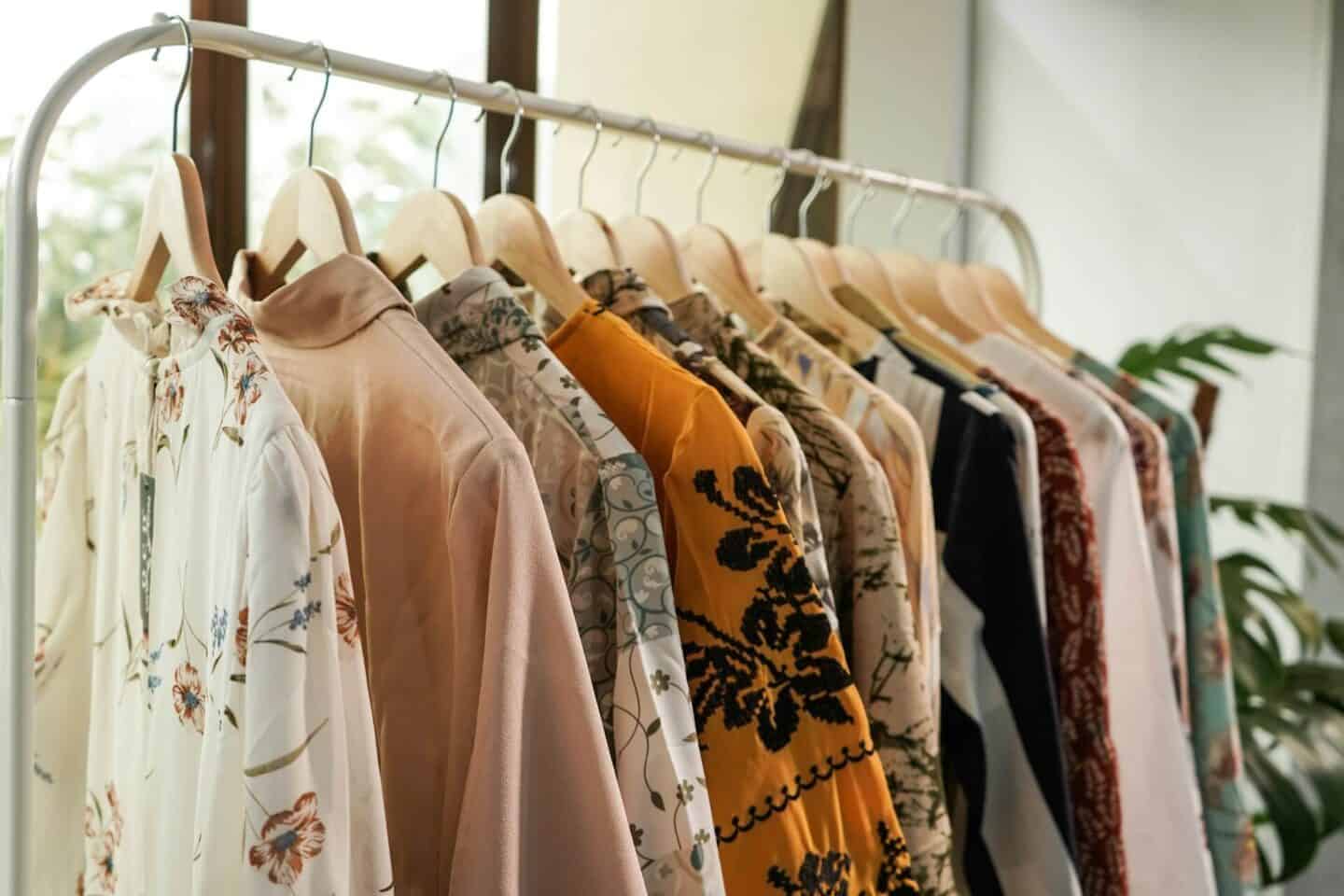
Effects Of Rapid Trend Cycles
Fast fashion relies on short production cycles that prioritize the replacement of garments over their maintenance – this practice results in wardrobes containing items that are not compatible with each other. Individuals may own many garments but find it difficult to create a cohesive outfit. Constant changes in popular styles can also lead to a lack of certainty during the selection of clothing. People may rely on external trends that change quickly instead of developing a recognizable personal appearance – this behavior creates waste and makes it harder to maintain a clear identity through clothing. A slower pace allows each item to be useful within a collection.
Environmental & Financial Factors
Frequent purchasing has significant effects on the environment and personal finances. Clothing that manufacturers produce quickly is often for short term use, which leads to more textile waste. Such cycles use many resources but also encourage high levels of consumption. From a financial perspective, the repeated purchase of cheap items is often more expensive than buying a few high quality pieces. Selecting durable garments is beneficial for both sustainability and long term budgeting – this strategy encourages careful thought before a person adds a new item to their collection. It is a way to ensure that both style and spending remain stable.
Developing A Personal Style Identity
Personal style is clearer when a person avoids fast fashion trends. Individuals can focus on pieces that are appropriate for their preferences as well as daily lives rather than adapting to new collections – this process leads to a wardrobe that is consistent and recognizable. Details and accessories are more significant when they are the result of intentional choices. Items like body jewelry are effective for a personal aesthetic when they are for long term wear – this method is helpful for increasing confidence or reducing the need to follow fashion cycles that are not aligned with an individual identity.
Strengthening Long Term Wardrobe Choices
Long-term planning is a way to select items that are relevant during different seasons and in various environments. It reduces the frequency of replacements and helps build a stable collection. Personal style is easier to define when every piece of clothing has a specific purpose. Even small items, like nose rings, are useful for a consistent appearance when they are not part of a short lived trend – this method results in a refined look that changes slowly over time. It also makes the process of choosing an outfit every day much simpler.
Lowering The Pressure To Consume
Fast fashion promotes the idea that clothing is disposable next to easy to replace – this perspective can cause a person to have a cluttered wardrobe and a confused sense of style. Buying clothes less often allows individuals to be more selective – this shift ensures that quality is more important than quantity and supports a sustainable way of dressing. It also provides an opportunity to value each garment. A curated wardrobe is often more durable plus requires fewer changes, which makes personal style easier to maintain.

Establishing Lasting Wardrobe Habits
Lasting habits involve careful thought before a purchase to ensure new items work well with existing clothes – this practice prevents impulsive buying and supports planning for the future. Such a mindset creates a wardrobe that is complete and functional. It also increases the appreciation for current possessions but also reduces the urge to buy unnecessary things. A stable wardrobe is a source of daily confidence and simplifies decisions. By avoiding temporary trends, individuals are able to create a meaningful relationship with their clothing that is consistent and clear.