
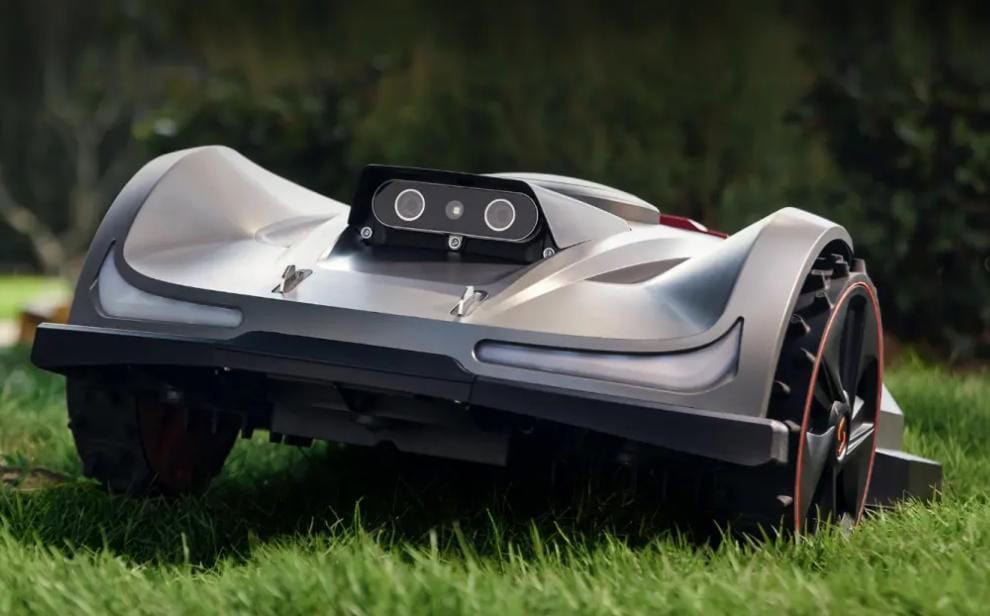
A lawn mower that starts easily, cuts cleanly, and runs season after season does not happen by luck. Simple maintenance steps protect the engine, blades, and body from wear. You save money, avoid breakdowns, and keep your lawn looking sharp. Whether you use a classic gas mower or a smart robotic model, basic care makes a big difference. Modern units like the Sunseeker Elite X7/X7 Plus even help on their own. They use Auto Rain Detection to stop mowing and return safely when rain appears. Their IPX5 water-resistant design keeps the mower safe and reliable in wet conditions. Still, no mower is “maintenance free.” With a clear plan and a few basic tools, you can extend your mower’s lifespan by many years.
What Basic Maintenance Does Every Lawn Mower Need?
Cleaning the Deck and Removing Grass Build-Up
Grass clippings, dirt, and leaves collect under the deck after every mow. If you leave that build-up, it traps moisture and causes rust. It also restricts airflow and reduces cutting power. First, remove the spark plug wire or switch off power on electric or robotic models. Tilt the mower with the air filter facing up. Use a plastic scraper or putty knife to gently remove packed grass. Avoid metal tools that can gouge the deck coating. Rinse with a hose if your mower allows it, as some models with IPX5 water resistance handle light washing. Dry the deck with a rag or let it air-dry fully before storage. Clean decks discharge clippings better, cut more evenly, and resist corrosion much longer.
Checking and Changing Engine Oil Regularly
Engine oil lubricates moving parts, reduces heat, and stops metal components from grinding against each other. When oil turns dark and gritty, it no longer protects the engine. Always check the owner’s manual for oil type and change interval. Warm the engine for a few minutes, then shut it off. Place a pan under the drain plug or use an oil extractor. Remove the plug and let the oil drain completely. Replace the plug, then refill with fresh oil to the dipstick’s proper mark. Never overfill, as excess oil can cause smoking or damage. Wipe away spills before running the mower. By changing oil at least once per season, you lower wear, improve fuel efficiency, and extend engine life.
Inspecting Air Filters and Spark Plugs
The air filter keeps dust and debris out of the engine. A clogged filter starves the engine of air and makes starting harder. Remove the filter cover and inspect the filter element. Foam filters often clean up with warm soapy water; dry them fully and lightly oil them if the manual says so. Paper filters should be replaced when dirty rather than cleaned. Next, remove the spark plug using a plug socket. Check for heavy carbon deposits, cracks, or worn electrodes. Lightly clean a slightly dirty plug or replace it each season for reliable starts. Set the correct gap with a feeler gauge. Reinstall the plug snugly, but do not overtighten. Clean filters and healthy spark plugs keep the engine strong.
How Do You Keep Your Lawn Mower Performing Well?
Sharpening and Balancing the Mower Blades
Dull blades tear grass instead of slicing it. Torn grass tips turn brown and stress the lawn. At least once or twice per season, remove the mower blade to sharpen it. Disconnect the spark plug or power, then secure the blade with a block of wood and loosen the bolt. Mark the blade’s original orientation so you reinstall it correctly. Use a bench grinder or a flat file to follow the factory angle. Take off small amounts of metal evenly from both sides. After sharpening, check balance by hanging the blade on a nail through the center hole. If one side drops, remove a bit more metal from that side. A sharp, balanced blade reduces vibration, protects the engine, and leaves a cleaner cut.
Maintaining Proper Tire Pressure and Wheel Care
Uneven or low tire pressure changes cutting height and makes the mower harder to push or steer. Use a tire gauge to check each tire against the PSI level listed on the sidewall or in the manual. Add or release air as needed. Inspect tires for cracks, dry rot, or embedded objects. Replace damaged tires before they fail in use. For mowers with plastic or caster wheels, examine the hubs and bearings. Remove wound grass or debris from around axles to prevent drag. A drop of suitable lubricant on moving wheel parts can reduce squeaks and friction. For robotic mowers such as the Sunseeker Elite X7/X7 Plus, inspect drive wheels for stuck grass or mud. Clean treads to maintain traction and accurate navigation.
Monitoring Fuel Quality and Battery Health
Stale fuel causes many hard-start and poor-performance issues in gas mowers. Always use fresh gasoline and, where recommended, add fuel stabilizer if the fuel will sit more than a month. Store fuel in approved containers away from heat. At the end of the season, run the engine dry or drain the tank and carburetor. For battery-powered mowers and robotic models, battery care matters just as much. Follow the charger guidelines and avoid leaving the battery in extreme heat or cold. Keep contacts clean and dry. Smart units like the Sunseeker Elite X7/X7 Plus manage their own charging cycles, but you should still check for damage to cables and ports. Healthy fuel systems and strong batteries keep performance consistent and reduce unexpected shutdowns.

How Should You Store and Protect Your Lawn Mower?
Proper storage prevents rust, corrosion, and electrical failures. At the end of each mowing session, brush off loose clippings and let the mower cool before storing. For gas mowers, close the fuel valve if equipped. Keep the mower in a dry, ventilated shed or garage, away from fertilizer, salt, and standing water. Robotic units such as the Sunseeker Elite X7/X7 Plus benefit from their IPX5 water-resistant construction, which helps them stay safe and reliable even in wet conditions. However, you should still park them on their charging base under a canopy or cover to avoid long-term UV and moisture exposure. During winter, remove the battery from cordless models and store it indoors. Cover the mower with a breathable cover, not plastic, to avoid trapping condensation. Good storage preserves both appearance and function.
Conclusion
Routine maintenance turns a lawn mower from a short-term purchase into a long-term tool. Cleaning the deck, changing oil, and checking air filters and spark plugs protect the engine. Sharpened blades, proper tire pressure, good fuel, and strong batteries keep performance high and mowing easier. Smart designs, like the Sunseeker Elite X7/X7 Plus with Auto Rain Detection and IPX5 water resistance, add extra protection and convenience, but they still benefit from regular care. A simple checklist before and after each mowing session prevents many costly repairs. With a few minutes of attention each week and a deeper tune-up each season, you extend your mower’s lifespan, keep your lawn healthier, and avoid the frustration of mid-season breakdowns.