
There are over 3,000 children killed or injured every single year in traffic accidents, many of which occur within a mere 500 meters of school gates. While modern vehicle safety technology is improving, the condensed nature of the school run creates a high-pressure environment where human error remains the primary threat.
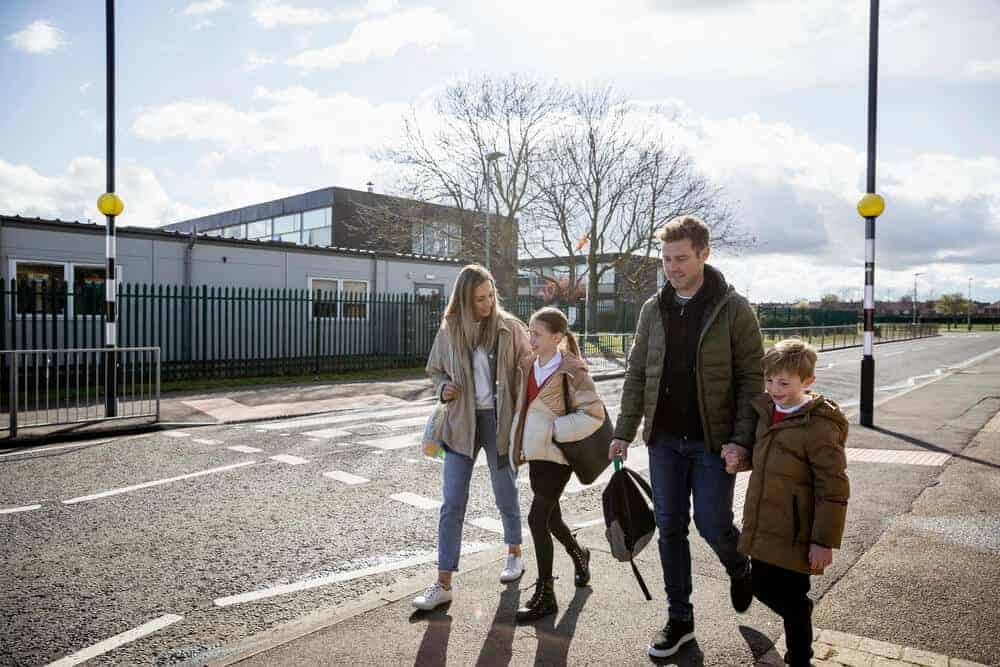
Strategic Habits For Safer School Drops
The morning rush is often a race against the clock, but rushing is the direct catalyst for poor decision-making behind the wheel, and preparing for this task in the winter has additional risks to consider. Establishing a routine that prioritizes visibility and predictable movement is the most effective way to protect your children and other students. When parents are stressed, they are more likely to perform dangerous maneuvers like U-turns or mounting curbs, which puts everyone at risk.
Families should adopt these simple habits to minimize daily school run hazards:
- Park at least ten minutes away from the school gate to reduce entrance congestion
- Exit the vehicle from the curbside door to avoid stepping into active traffic lanes
- Use bright or reflective clothing on bags or coats during low-light winter months
Ensuring children understand the Safe Adventures rule (Eyes Up, Slow Down, Cross Safely) is a vital lesson that grows with them as they gain independence. Even in designated school zones, driver distraction is a significant factor in accidents involving young pedestrians. It only takes a second to glance at a phone or dashboard screen for a tragedy to occur in a crowded area.
Essential Steps Following A School Zone Accident
Even with careful driving, accidents in school zones can still occur due to congestion, distraction, or sudden pedestrian movement. If an accident occurs, your priority is immediate safety and the collection of accurate information for insurance and legal purposes. Being prepared for this high-stress situation ensures that you protect your legal rights and personal well-being from the moment of impact. Adrenaline often masks injuries, so staying calm and following a set protocol is essential for everyone involved.
Once you have ensured everyone is safe, follow these immediate steps:
- Move the vehicle to a safe place and activate hazard lights to alert other drivers
- Exchange names, insurance details, and registration numbers with any other parties involved
You must report the collision to the police within 24 hours if you were unable to exchange details at the scene or if there are injuries. Documenting the scene with photos of road markings, weather conditions, and vehicle positions can provide clarity during the claims process later.
Getting local legal advice is important, as legal procedures and claims handling can vary by jurisdiction. If the accident occurs in the United States, it is advisable to consult a qualified personal injury attorney to understand your legal options and next steps. Contact details for experienced attorneys such as those at dmlawusa.com are available online for those seeking legal assistance. If it takes place in Cornwall, a lawyer based in the county will be the best fit.
Navigating High Traffic School Zones
Traffic conditions and street design strongly influence safety levels in various school environments across the UK. In areas where sidewalks are narrow or buffer zones are nonexistent, the risk of a pedestrian incident increases significantly for children moving in groups.
Drivers must remain hyper-aware of “School Keep Clear” markings, such as yellow zig-zags, which are designed to maintain clear sightlines for children attempting to cross. If you are a parent driving to school, choosing to park farther away and walking the final block can help avoid the dangerous “traffic chaos” often found at school entrances. This “park and stride” approach is one of the most recommended methods by safety councils to keep the immediate school vicinity clear of idling engines and moving metal.
Lane-keeping and blind-spot monitoring systems are becoming vital features for modern families, helping prevent collisions caused by sudden stops. However, no safety feature replaces the need for a driver to be physically fit and mentally alert before starting the journey. Distraction isn’t just about phones; it’s about the internal chaos of a car full of children that can pull a driver’s eyes away from the road at the worst possible moment.
Protecting Your Family’s Future Health
Road safety is a community effort that requires constant vigilance from both drivers and pedestrians. By slowing down and following local parking restrictions, you contribute to a culture of safety that protects the most vulnerable members of society. Teaching your children these habits now ensures they carry that awareness into their teenage years, when pedestrian risks statistically double.
For more guides on parenting and modern life’s challenges, read the other posts on our site and stay informed on what matters most.