
A fire table can change how a patio feels, but the fuel type shapes how it works. Many people assume gas and propane fire tables are the same. However, the fuel source affects installation, cost, heat output, and how much freedom you have to move the unit.
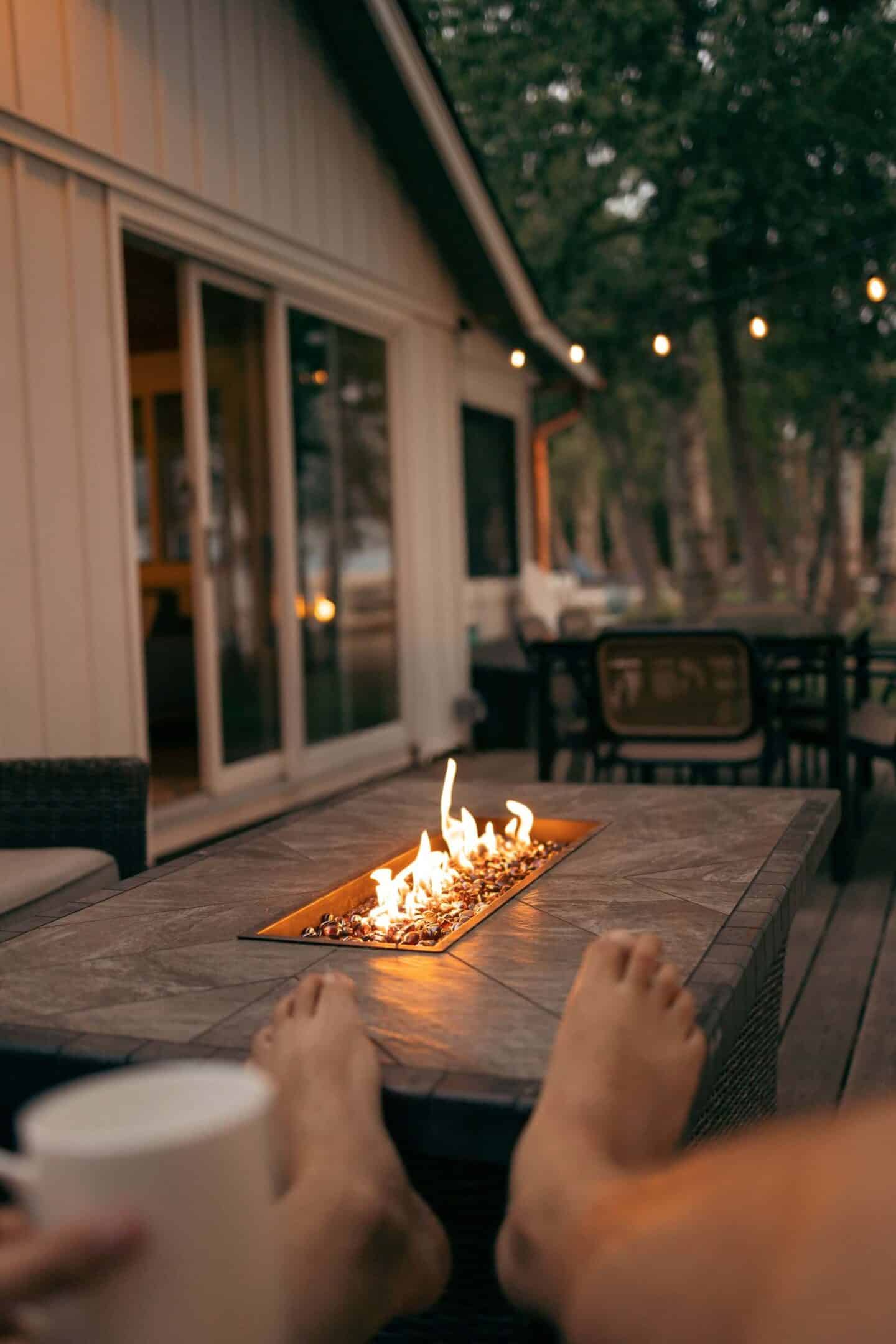
The main difference between gas and propane fire tables is that natural gas connects to a fixed gas line for steady fuel, while propane uses a portable tank that allows flexible placement. This single detail impacts daily use. Natural gas suits homes with existing gas lines and permanent layouts. Propane fits spaces where mobility and simple setup matter more.
As a result, the right choice depends on the space, budget, and how the fire table will serve the area. Heat levels, fuel costs, and maintenance also vary, which can shape long-term satisfaction. A closer look at these factors helps clarify which option meets specific needs.
Key Differences Between Gas and Propane Fire Tables
Gas and propane fire tables differ in fuel supply, setup, and long-term costs. These factors affect how the table fits into a patio, deck, or backyard plan.
Fuel Types and Sources
The main difference starts with the fuel source. A natural gas fire table connects to a fixed gas line that runs from the home. A propane fire table uses a refillable tank, usually stored inside the base.
Natural gas flows through a utility line, so the fuel supply does not run out during use. As a result, it works well for patios with an existing gas line. It suits homeowners who want a permanent fixture.
Propane, however, comes in portable tanks. This setup allows users to move the table to different spots. Many people who explore fire tables here find that propane models offer more placement freedom, since they do not depend on a built-in line.
Both fuels produce steady flames. Propane often burns slightly hotter per unit, but both provide similar warmth for outdoor seating areas.
Installation Requirements
Installation differs in a clear way. Natural gas fire tables require a professional to connect the unit to a gas line. This step may include trench work, permits, and inspections.
Therefore, natural gas models suit homes that already have a gas stub on the patio. Once installed, the setup stays in place. Moving it later can require more work.
Propane fire tables need no gas line. Users attach the tank, check the connection, and start the unit. This makes propane a practical choice for renters or homeowners who plan to rearrange furniture.
Many options in the Shop All Fire Tables for Every Season – Shop the Best and Widest Selection include both fuel types, so buyers can match the model to their space and setup needs.
Cost Implications
Cost differences appear in both the upfront setup and long term fuel use. Natural gas units often cost more at first due to professional installation. Gas line work can add several hundred dollars or more, depending on distance and labor rates.
However, natural gas usually costs less per unit than propane. Over time, frequent use may lead to lower fuel bills. This makes natural gas a smart choice for people who use their fire table often.
Propane fire tables usually cost less to install since they need no gas line. The tradeoff comes with tank refills. Propane costs more per unit than natural gas, and users must replace or refill tanks as they empty.
Buyers should compare installation limits, fuel prices in their area, and how often they plan to use the fire table before they decide.
Performance and Usage Considerations
Fuel type affects how much heat a fire table produces, how much care it needs, and how it affects air quality. Buyers should compare heat output, daily use, upkeep, and emissions before they choose a model.
Heat Output and Efficiency
Both natural gas and propane fire tables provide steady heat, but they differ in output levels. Propane contains more energy per cubic foot than natural gas. As a result, propane models often produce higher BTU ratings in a similar burner size.
However, the actual heat felt depends on burner design and flame height, not just fuel type. A well-designed natural gas table can still provide strong warmth for patios and decks. Propane tanks also deliver consistent pressure until the tank nears empty.
Natural gas connects to a home gas line. Therefore, it supplies constant fuel without the need to refill tanks. This setup suits long-term use. Propane requires tank checks and refills, which may interrupt use but allow easy movement and flexible placement.
Maintenance and Safety
Natural gas fire tables stay fixed in one place. This setup reduces the need to move fuel sources and lowers the chance of tank mishandling. In addition, a direct gas line removes the task of tank storage.
Propane tables use portable tanks. Owners must store and handle these tanks with care. Proper valve checks and secure connections help reduce leak risk. However, portability increases the chance of wear on hoses and fittings over time.
Both fuel types require routine inspection. Owners should check burners, ignition systems, and gas lines for debris or damage. Many models include safety shutoff valves and flame sensors. These features help stop gas flow if the flame goes out.
Environmental Impact
Natural gas burns cleaner than wood and produces low levels of smoke and ash. It emits carbon dioxide, but it releases fewer particulates than solid fuels. For homes with existing gas lines, it can serve as a steady, long-term option.
Propane also burns clean and produces low soot. In fact, propane often burns slightly cleaner than natural gas in terms of carbon emissions per unit of energy. As a result, it leaves minimal residue on burners and surrounding surfaces.
However, both fuels remain fossil fuels. They release greenhouse gases during combustion and production. Buyers who value lower emissions should compare local fuel sources and consider how often they plan to use the fire table.
Conclusion
Natural gas fire tables suit fixed patios with a gas line, lower fuel cost over time, and no tank refills. Propane fire tables provide higher heat output, a simple setup, and easy placement in different areas of the yard.
The right fuel depends on the home’s layout, budget, and need for mobility. Each option offers clear trade-offs in cost, heat, and installation, so homeowners should match the fire table to their space and daily use.