
You see it every time you shop for your child: more labels highlight organic fabrics, recycled fibers, and ethical production. Sustainable kids clothing has moved from a niche option to a clear expectation in 2026, and your choices now shape how brands design, source, and manufacture children’s wear.
In 2026, the fastest-growing sustainable kids clothing trends include organic and regenerative fabrics, recycled and low-impact materials, rental and resale models, and transparent ethical production standards. Brands focus on durability, non-toxic dyes, and versatile designs that extend each garment’s life. You also see stronger demand for community-driven labels and locally made collections that reduce environmental impact.
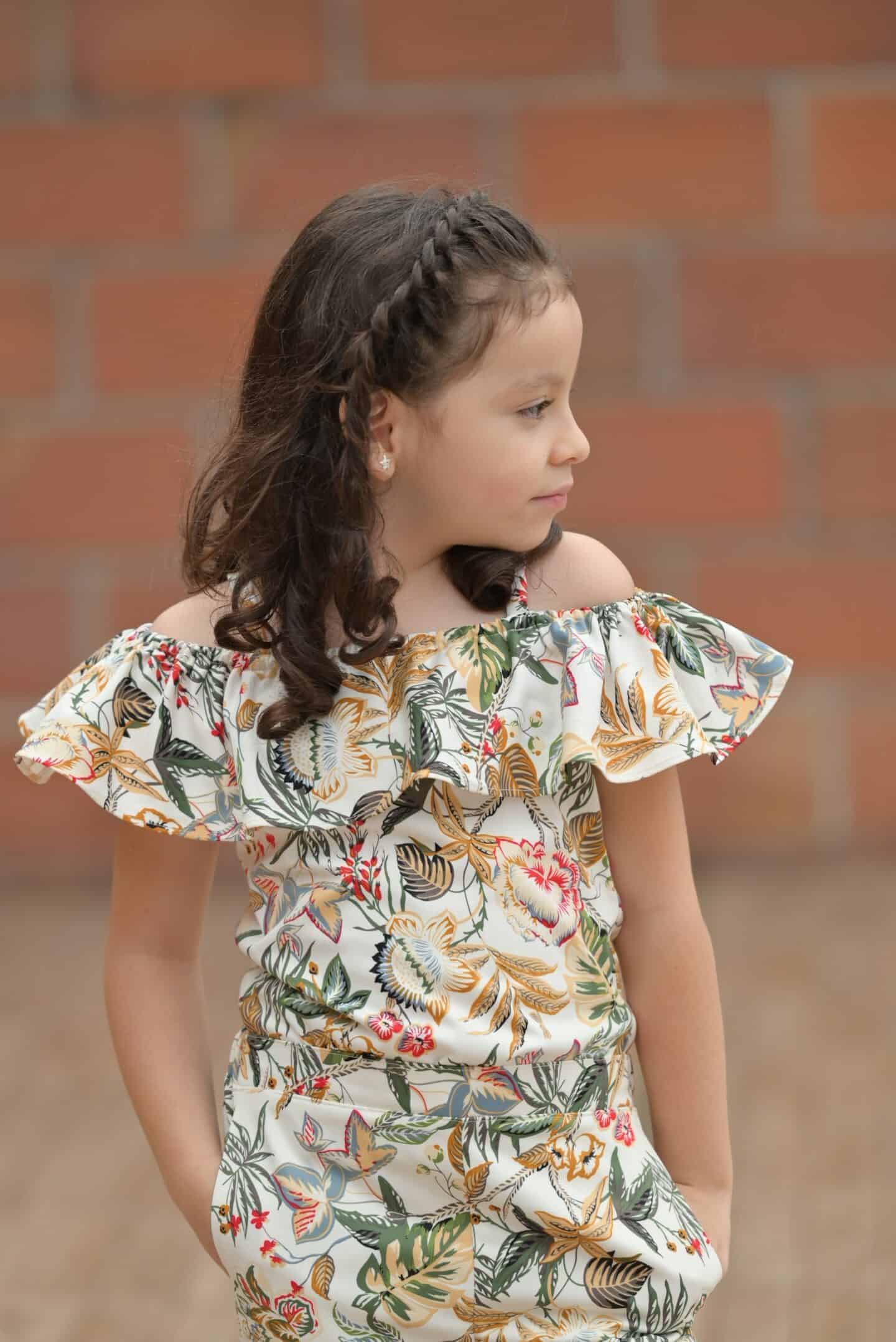
As you update your child’s wardrobe, you face more practical and eco-conscious options than ever. Understanding which trends truly matter helps you invest in pieces that align with your values and hold up to daily wear.
Key Takeaways
- Sustainable kids fashion in 2026 centers on organic, recycled, and low-impact materials.
- Rental, resale, and durable designs support longer product life cycles.
- Ethical sourcing and transparent production standards increasingly shape buying decisions.
Key Sustainable Kids Clothing Trends in 2026
Brands now prioritize lower-impact materials, longer product lifecycles, and transparent sourcing. You see measurable shifts in fiber choices, resale models, and the growth of labels that center sustainable fashion in kidswear.
Material Innovation in Kidswear
You will notice a clear move toward certified organic cotton as a baseline, not a niche option. Brands choose it to reduce pesticide use and water impact compared to conventional cotton, while maintaining softness and durability for everyday kids clothing.
Manufacturers also expand the use of Tencel™ (lyocell) and other wood-based fibers. These materials offer breathability and moisture control, which work well for active kids fashion. Many collections now blend Tencel with organic cotton to improve strength and reduce shrinkage.
Recycled inputs continue to scale. You will see more recycled polyester in outerwear and swimwear, along with broader use of recycled materials sourced through textile recycling systems.
Emerging options such as algae-based textiles and bio-based trims appear in limited runs. While still small in volume, these eco-friendly fabrics signal where sustainable kids clothing development is heading.
Rise of Circular and Slow Fashion
Circular fashion moves from concept to practice in 2026. More brands design kidswear for resale, repair, and fiber recovery rather than short-term use.
You can now find take-back programs that feed into textile recycling streams or resale platforms. Some retailers offer store credit when you return outgrown items, extending product life and reducing waste.
Slow fashion principles also gain traction. Brands release fewer collections, focus on core colors, and reinforce seams to handle repeated washing and sibling hand-me-downs.
Rental and preloved models expand, especially for special-occasion outfits. Parents increasingly search for eco-friendly sustainable kids clothes that balance durability, comfort, and lower environmental impact without sacrificing fit or safety.
Ethical Standards and Future Directions for Sustainable Kidswear
Strong ethical standards now shape how you evaluate sustainable fashion for children. You look for verified sourcing, clear supply chain data, and evidence that brands support the people who make your child’s clothing.
Fair Trade Certifications and Transparency
You can no longer rely on marketing terms like “eco” or “conscious” without proof. Fair trade certifications provide third-party verification that factories meet defined standards for wages, working conditions, and environmental practices.
Common certifications you may see include:
- Fair Trade Certified™
- Fairtrade International
- GOTS (Global Organic Textile Standard) for organic fibers and chemical limits
- OEKO-TEX® Standard 100 for chemical safety
These labels signal that a brand follows measurable requirements, not vague promises. In kidswear, this matters because garments often use cotton and dyes that can affect both workers and children.

Transparency is expanding beyond labels. Many sustainable kids clothing brands now publish factory lists, wage commitments, and audit summaries. When you can trace where materials are grown and garments are sewn, you reduce the risk of supporting unsafe labor or hidden subcontracting.
Clear reporting builds accountability and allows you to compare brands based on documented standards rather than branding alone.
Worker Empowerment in the Kids Clothing Industry
Worker empowerment goes further than basic compliance. It focuses on whether the people making your children’s clothing have stable incomes, safe workplaces, and a voice in decisions that affect them.
In practical terms, this includes:
- Paying living wages, not just legal minimums
- Supporting worker committees or unions
- Offering skills training and long-term contracts
- Enforcing zero-tolerance policies for child labor
The kids clothing industry has faced scrutiny for low wages and seasonal production pressure. Sustainable fashion brands are responding by building longer-term supplier relationships instead of switching factories for lower costs.
When brands invest in worker training and predictable orders, factories can plan production without excessive overtime. This reduces labor violations and improves product quality.
As you evaluate sustainable kidswear in 2026, worker empowerment signals that a brand treats ethical production as a structural commitment, not a temporary trend.
Conclusion
Sustainable kids clothing in 2026 centers on organic and recycled fabrics, circular models like resale and rental, and durable design that extends garment life. You see brands prioritizing ethical production, low-impact dyes, and transparent supply chains as parents demand practical and responsible choices.
You also notice growth in community-driven labels, retro and nature-inspired prints, and adaptable pieces that support reuse. By focusing on quality, circularity, and verified materials, you position your children’s wardrobe around long-term value rather than short-term trends.