
Taking care of your car often feels straightforward. You schedule oil changes, keep an eye on tire pressure, and maybe give it a wash when it starts looking dusty. These habits matter, but they only cover part of the picture. Long-term car care involves things that rarely demand immediate attention, which is exactly why they tend to get overlooked.
As driving conditions become more demanding and vehicles are kept longer than ever, small forms of wear add up quietly. Moisture, seasonal exposure, and unseen damage can affect how your car ages over time. This article looks at a few areas many drivers do not think about often, but should, if long-term reliability and peace of mind matter.
Keep reading!
Rust Prevention
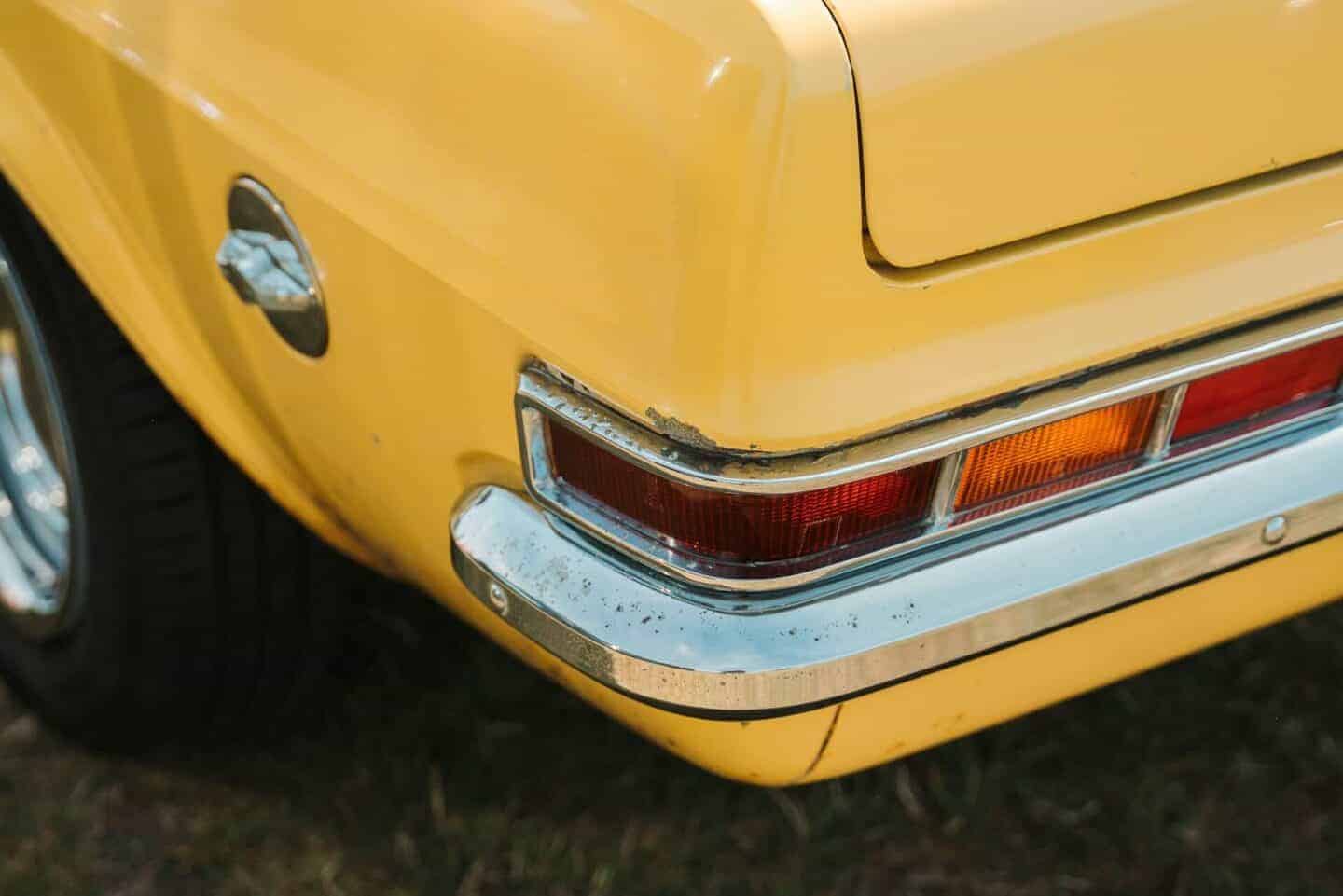
Rust is one of those problems most drivers do not think about until it becomes visible. By the time you notice bubbling paint or flaky metal, corrosion has usually been developing for years. Moisture, road salt, and dirt settle into small seams and hidden areas, creating the perfect environment for rust to grow.
What makes rust especially tricky is how quietly it spreads. It often starts underneath the vehicle or in areas you rarely see during daily use. Even careful drivers who avoid rough roads or harsh weather are not fully protected. Over time, everyday exposure adds up if no preventive steps are taken.
The best way to get ahead of this issue is to Get professional help to protect your car from rust. Trusted companies like Cobra specialize in identifying where corrosion is most likely to begin and applying protective treatments before damage takes hold. This approach is especially helpful because rust often develops in places that are difficult to reach or monitor on your own.
Depending on the vehicle and driving conditions, this process may include:
- Using chemical-based treatments designed to slow corrosion in hard-to-reach areas
- Adding protective layers to exposed metal surfaces, such as galvanized steel coatings
- Sealing seams and joints where corrosion commonly starts
These measures work together to slow rust formation, reduce long-term damage, and help your car remain structurally sound as it ages.
Short Trips and Driving Habits
How you drive and how often you drive can have a bigger impact on long-term car health than many people realize. Short trips, in particular, are easy to overlook because they feel harmless. A quick run to the store or a short commute does not seem demanding, but over time, these habits add stress to key systems.
Engines are designed to reach optimal operating temperatures. When trips are too short, the engine may not warm up fully. This can lead to moisture buildup in the exhaust system and increased wear on internal components. Fluids may not circulate as efficiently, and the battery may not recharge properly.
Improving this does not mean changing your lifestyle completely. Small adjustments help:
- Combining errands to allow the engine to run longer
- Taking occasional longer drives to let systems fully cycle
- Being mindful of excessive idling, especially in colder weather
Paying attention to everyday driving habits supports better engine performance and reduces long-term strain that often goes unnoticed.
Interior Wear and Hidden Cabin Damage
When thinking about long-term car care, most drivers focus on what happens outside the vehicle. The interior often gets attention only when something looks dirty or worn. Over time, however, everyday use quietly takes a toll on the cabin in ways that affect comfort, air quality, and resale value.
Sun exposure fades dashboards and weakens materials. Small spills soak into carpets and padding. Dust and moisture settle into vents and filters. These issues rarely feel urgent, but they slowly change how the car feels and functions. A musty smell, stiff controls, or poor airflow are often signs of deeper buildup rather than simple surface wear.
Solving this starts with treating the interior as part of long-term maintenance, not just appearance. Helpful steps include:
- Cleaning and conditioning interior surfaces to prevent drying and cracking
- Replacing cabin air filters regularly to improve airflow and air quality
- Addressing spills and moisture quickly before they sink into hidden layers
Consistent interior care helps your car stay comfortable, protects materials from premature aging, and makes a noticeable difference over the years you own it.
Wrapping Up
Long-term car care is shaped by what happens quietly over the years, not just by routine maintenance. Rust prevention, interior care, and engine attention are often overlooked because their impact is gradual. Focusing on prevention helps your car age more gracefully and reduces the risk of costly surprises later on. When you take a proactive approach, keeping your vehicle dependable becomes less stressful and far more rewarding.