
If you’ve just wrapped up orthodontic treatment, you’re probably relieved to finally see your teeth exactly where you always wanted them. But as every orthodontist reminds their patients, the work doesn’t end when the braces or aligners come off. Retainers step in to keep everything stable, and whether you’re already wearing one or choosing between options, it helps to understand how each type fits into everyday life. Many people continue reading about retainer care and long-term usage, such as the guidance you’ll find in this helpful overview on retainers, especially when weighing up the differences between clear and wire designs.

What Are Retainers and Why Are They Needed?
Retainers keep your teeth from drifting back to where they started. It’s surprisingly easy for teeth to shift, even months or years after orthodontic treatment, because your gums and bone are still adapting to their new positions.
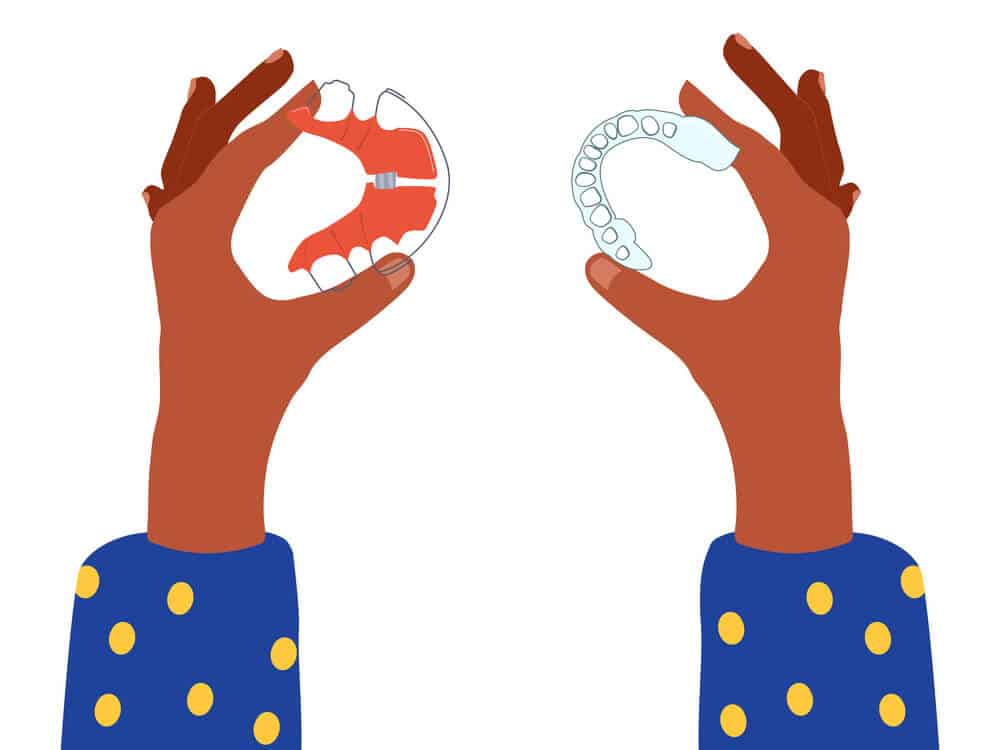
Two of the most widely used types — clear (Essix) retainers and wire (Hawley) retainers — do the same fundamental job but feel and function quite differently.
Orthodontists across Australia consistently emphasise the importance of ongoing retention. The Australian Dental Association also notes that relapse is common without proper aftercare and that patients should follow the retention plan tailored for them. For readers who want a more in-depth look at oral health guidance, the ADA provides general information on its website.
Understanding how these retainers differ makes it much easier to choose something that works with your lifestyle rather than against it.
Clear Retainers (Essix Retainers)
Clear retainers have become incredibly common for a simple reason: they’re discreet. Most people won’t even notice you’re wearing one. These retainers are custom-moulded from transparent thermoplastic, fitting snugly over your teeth in a similar to an aligner tray.
Material and Appearance
Clear retainers are made from thin thermoplastic material — smooth, transparent, and free from any metal parts. When worn, they’re almost invisible, which is the main reason adults and image-conscious teens often prefer them. They look clean and modern, with no visible wires or acrylic.
Comfort and Fit
Because they wrap tightly around each tooth, they tend to feel secure. This snug fit is also why some people experience a mild sense of pressure when inserting them, especially if they haven’t worn the retainer for a day or two.
Speech can be slightly affected at first, usually a soft lisp, but it fades once your mouth adjusts.
Durability and Lifespan
Clear retainers are popular, but they’re not the most durable option available. The average lifespan is 1–2 years, depending on how carefully they’re handled.
Their weaknesses are straightforward:
- Heat can warp the plastic
- They can crack if bent or dropped
- Grinding or clenching can wear them out faster
Australian orthodontists commonly advise storing clear retainers away from hot water, car dashboards, or heaters — anything that can soften the material.
Maintenance Requirements
Clear retainers require gentle, consistent care. Because they fit so tightly around the teeth, plaque, saliva, and bacteria easily accumulate if they’re not cleaned daily.
Essix retainers need:
- Daily cleaning using non-abrasive soap or approved retainer-cleaning solutions
- Removal before eating or drinking anything other than water
- Protection from staining agents like coffee, tea, and curry
Good hygiene helps keep them odour-free and clear, but if neglected, they can become cloudy or stained.
For readers wanting evidence-based cleaning guidance, the Australian Government’s HealthDirect website offers general oral hygiene advice here.
Wire Retainers (Hawley Retainers)
Wire retainers are the classic design — the ones most people picture when they think of orthodontic treatment. Made from an acrylic base plate and a thin metal wire that sits across the front teeth, they’re reliable, sturdy, and long-lasting.
Material and Appearance
The acrylic base fits across the roof of the mouth (for upper retainers) or sits behind the lower teeth. A metal wire spans the front, keeping the teeth aligned. Wire retainers are more visible, but their appearance hasn’t stopped them from being a favourite for decades due to their resilience and adjustability.
Comfort and Fit
Some people need a little time to get used to the acrylic base. It can feel bulkier than a clear retainer, and speech may take a bit of practice. However, wire retainers don’t press tightly around every tooth — a difference many people find more comfortable once fully adjusted.
One major advantage is that orthodontists can make minor adjustments to the wire over time, helping maintain proper alignment without replacing the whole appliance.
Durability and Lifespan
This is where wire retainers shine. With proper care, they can last 5–10 years, sometimes even longer. They hold up well to everyday wear, minor impacts, and temperature changes that would quickly damage clear retainers.
Even when something bends, the metal is often repairable — a simple visit to the orthodontist may be all that’s needed.
Maintenance Requirements
Wire retainers are less delicate. Because they have an open design, debris is easier to see and clean.
Care usually involves:
- Brushing the acrylic and wire gently
- Rinsing after meals
- Watching for plaque build-up around the metal
They’re also removed during eating, which reduces the risk of cracking—a common issue with clear retainers.
Head-to-Head Comparison: Clear vs Wire Retainers
Choosing between clear and wire retainers isn’t always straightforward, especially since both types do their job well. The real distinction lies in how each one holds up in daily life — from durability to comfort and ongoing care. Here’s how they compare when placed side by side.
Durability
Clear retainers are made from thin thermoplastic material, which makes them flexible and discreet but not ideal for long-term wear-and-tear. They typically last 1–2 years before needing replacement, especially if you grind your teeth, handle them roughly, or expose them to heat.
Wire retainers, on the other hand, are the definition of sturdy. Built with a combination of acrylic and metal, they can remain functional for 5–10 years, sometimes longer. Even when the wire bends slightly, orthodontists can adjust it without replacing the entire appliance.
Comfort
Comfort is subjective, but there are general trends. Clear retainers sit flush against your teeth, creating a smooth, compact feel with minimal irritation. They’re lightweight and less intrusive, particularly when sleeping.
Wire retainers take more getting used to. The acrylic base can feel bulky at first, and some patients notice slight pressure on the gums during the adjustment period. That said, many wearers find that once they adapt, wire retainers feel more “natural” because they don’t tightly wrap around every tooth.
Maintenance
Clear retainers need delicate, consistent cleaning. They stain easily, warp with heat, and collect plaque quickly if not cleaned with the right products. They must be removed before eating or drinking anything besides water.
Wire retainers are easier to scrub clean thanks to their open design. They allow better airflow, which reduces odour build-up, and they can handle varying temperatures without warping. However, plaque can accumulate around the metal wire if not brushed properly.
Which One Should You Choose Based on Lifestyle?
Your lifestyle plays a major part in determining the most practical choice.
If you want the most discreet option
Clear retainers win instantly. They’re almost invisible and ideal for anyone who feels self-conscious wearing a wire retainer.
If you want something that lasts longer
Wire retainers offer far better long-term value. Although they’re not as subtle, their lifespan and adjustability make them the more economical option.
If you’re active or prone to misplacing items
Neither type likes being stepped on or forgotten at school or the gym, but wire retainers tend to survive accidents better. Clear retainers crack easily.
If you’re choosing for a teenager
Teenagers may favour clear retainers for the appearance, but wire retainers are often more practical and durable — especially if they’re not the most careful with their belongings.
If you struggle with routine
Clear retainers require disciplined cleaning and handling. If you prefer something more forgiving, wire retainers are easier to manage.
Orthodontist Recommendations and Clinical Considerations
Orthodontists generally base their recommendations on the complexity of your treatment and how your teeth respond during alignment.
When wire retainers are preferred
- If you had crowded teeth or complex corrections
- If your bite still shows signs of instability
- If there’s a history of relapse
- When small adjustments may be required later
The ability to adjust wire retainers without replacing them is a major benefit for long-term stability.
When clear retainers are suitable
- When cosmetic preference is the top priority
- For mild to moderate post-treatment retention
- When patients respond well to routine care and cleaning
- If the orthodontist wants full-tooth coverage to prevent minor rotation
Professionals don’t take a one-size-fits-all approach. They consider the shape of your jaw, your past alignment issues, and your reliability with retainer wear over time.
Care Tips to Extend the Life of Your Retainer
Retainers are an investment — not just financially, but in the time you’ve already spent achieving your smile. Properly looking after them helps extend their lifespan and prevent issues such as odour, cracking, or build-up.
Tips for both clear and wire retainers
- Keep them away from heat sources
- Brush gently with non-abrasive soap
- Avoid boiling water, alcohol-based mouthwash, and harsh cleaners
- Store them in a ventilated case whenever they’re not in your mouth
- Never wrap them in tissue — that’s the fastest way to lose them
- Take them with you to every orthodontic check-up
Final Thoughts on Choosing the Right Retainer
Retainers aren’t a “set and forget” part of orthodontic treatment. Choosing the right one — and caring for it consistently — plays a huge role in keeping your teeth aligned for life. Clear retainers suit anyone who values subtlety and doesn’t mind replacing them more often. Wire retainers work best for those who want longevity, adjustability, and a lower risk of accidental damage.
Ultimately, the best choice comes down to your lifestyle, your treatment history, and the habits you’re most likely to stick to. A brief conversation with your orthodontist can help you confirm what will keep your smile stable for the long run.