
The perfect pair of prescription glasses should complement your face shape, provide lasting comfort, and fit securely without constant adjustments. When your glasses fit well and suit your features, they become a natural extension of your style and boost your confidence every time you wear them.
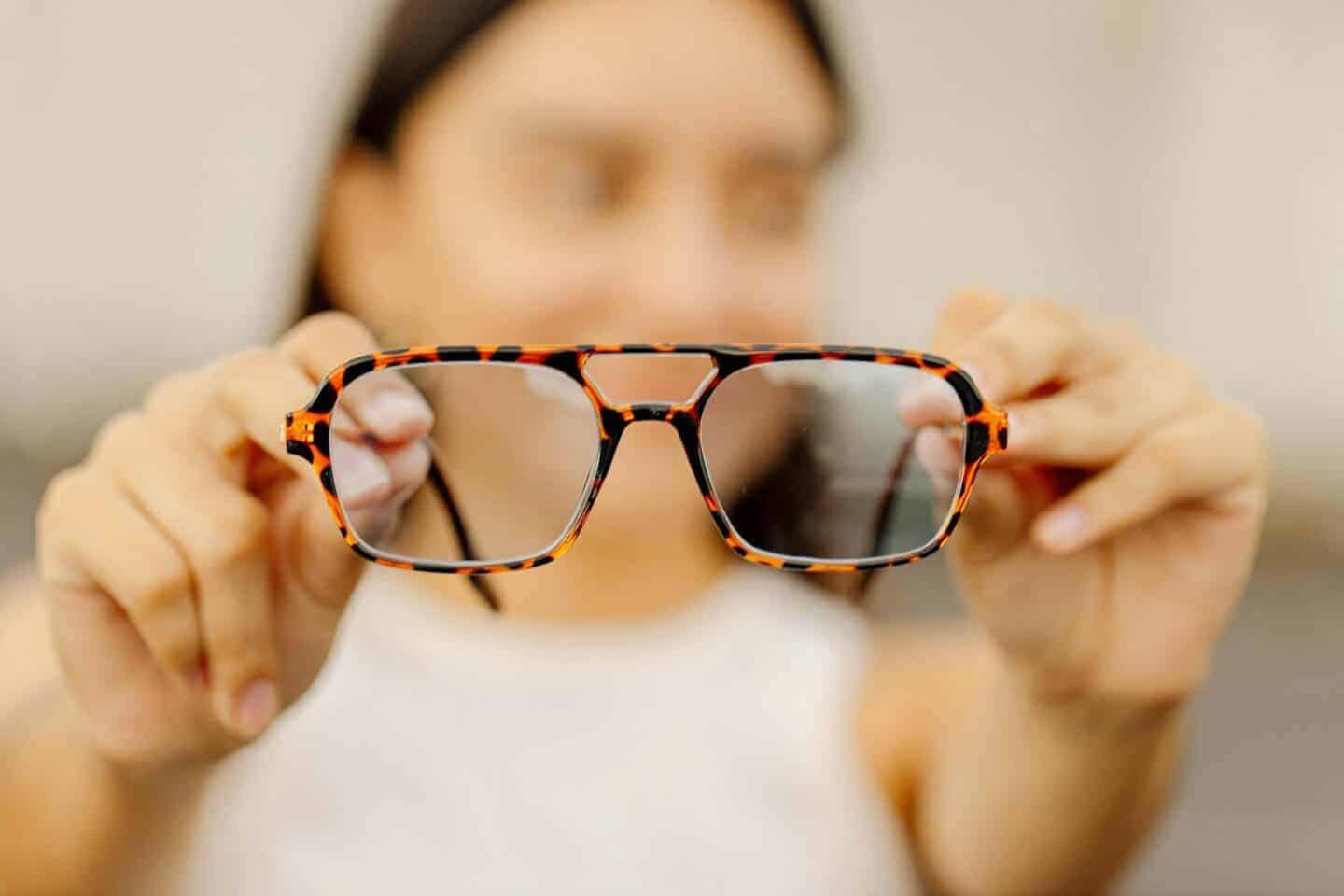
This guide will walk you through the key factors to consider when picking prescription glasses that fit your face shape flawlessly, covering everything from frame styles to fit, lens options, materials, and measurements.
What Are the Common Face Shapes and How Do They Affect Frame Choice?
Before you shop for new glasses, it’s important to understand your face shape. The way frames interact with your facial features can either highlight your best attributes or draw attention to areas you might prefer to downplay. Generally, faces fall into four main categories: round, oval, square, and heart-shaped. Each has distinct characteristics that influence which frame styles work best.
Round faces tend to have soft curves and equal width and length, with fuller cheeks. To create contrast and add definition, angular or geometric frames are ideal. Rectangular and square frames introduce structure, balancing the roundness. Round frames should be avoided since they can exaggerate the softness of the face.
Oval faces have balanced proportions, with a slightly narrower chin than forehead. This shape is the most versatile, as most frame styles complement it well. Frames that maintain natural symmetry, such as oval or softly rectangular shapes, enhance the face’s harmony.
Square faces are characterized by a strong jawline and broad forehead. Softer, rounded frames or oval shapes work best to soften sharp angles. Avoid boxy or angular frames that accentuate the jaw and forehead edges.
Heart-shaped faces feature a wider forehead and narrower chin. Frames that add width to the lower face, like bottom-heavy or rimless styles, help balance this proportion. Light-colored or translucent frames also draw less attention to the forehead area.
Understanding your face shape helps narrow your choices, making it easier to find frames that complement your natural features and give you a polished, flattering look.
Why Do Bridge Fit and Temple Length Matter for Comfort and Stability?
Even the most stylish pair of glasses can become a source of discomfort if they don’t fit properly. Two critical aspects of fit are the bridge and temple length. The bridge is the part of the frame that rests on your nose, and the temples are the arms that extend behind your ears.
The bridge fit affects how your glasses sit and how weight is distributed. If the bridge is too wide, the glasses may slip down your nose; if it is too narrow, it can pinch and cause discomfort. A well-fitting bridge keeps your glasses stable without leaving pressure marks.
The temple length determines how well the arms fit over your ears and around your head. Temples that are too short will pinch and create pain behind the ears, while those that are too long allow the glasses to slide or shift. Properly fitted temples hold the glasses in place during daily activities and reduce the need for constant adjustment.
Professional measurement is key here, but minor adjustments can often be made by opticians or with specialized tools to ensure your prescription glasses feel secure and comfortable from the moment you put them on.
How Lens Type and Thickness Influence Frame Selection
Your prescription affects not only how well you see but also which frames will suit your lenses best. Stronger prescriptions often require lenses that are thicker, especially around the edges, which can limit your frame options if you want both comfort and aesthetics.
For those with higher prescriptions, frames with deeper or wider rims accommodate thicker lenses without causing distortion. On the other hand, high-index lenses use advanced materials to reduce lens thickness and weight significantly, allowing for slimmer, lighter lenses even for strong prescriptions. These lenses fit more easily into a wider variety of frame styles.
Additionally, the type of lenses you choose — single vision, bifocal, or progressive — can influence frame choice. Progressive lenses, for example, require a certain lens height and curvature, making taller frames a better option to maximize the viewing area.
Taking lens type and thickness into account early helps avoid purchasing frames that won’t work well with your prescription, saving both time and money.
Why High-Quality Materials Enhance Durability and Style
Frames made from premium materials not only look better but feel better and last longer. Common high-quality frame materials include acetate, titanium, and stainless steel.
Acetate offers a wide range of colors and patterns with a smooth finish, and it is lightweight and comfortable for long wear. It also offers some flexibility, reducing the risk of breakage.
Titanium frames are prized for their strength and feather-light weight. They are resistant to corrosion and ideal for sensitive skin, often being hypoallergenic. This makes them perfect for those who wear glasses daily and require durability without sacrificing comfort.
Stainless steel balances affordability with strength and a sleek, modern look. Frames made from this material are flexible and less likely to deform under pressure.
Choosing frames made from these materials ensures your glasses maintain their shape, resist damage, and look great for years. Higher quality also means less frequent replacements, making your investment worthwhile.
How Precise Measurements Ensure the Perfect Prescription Glasses Fit
Accurate measurements are essential to achieving a comfortable fit and sharp vision. Beyond your basic prescription, several measurements ensure your glasses align perfectly with your eyes and face.
Key measurements include:
- Eye size (the width of each lens)
- Bridge width (the distance between lenses)
- Temple length (the length of the arms)
- Pupillary distance (PD) (the distance between your pupils)
While you can take some of these measurements at home, professional fitting guarantees accuracy and personalized adjustments. Measuring tools and trained technicians assess not only your facial dimensions but also your typical posture and daily activities to tailor the fit.
Custom fitting prevents discomfort, headaches, and vision strain caused by misaligned lenses or poorly fitting frames. It also ensures your glasses stay secure and look great throughout your day.
Where to Find Prescription Glasses That Fit Perfectly
When shopping for prescription glasses, look for retailers that offer detailed sizing guides, virtual try-on features, and expert customer support. These services make it easier to find frames that suit your face shape and fit your prescription.
When browsing, consider your lifestyle needs and personal style preferences. Whether you want something classic, trendy, or sporty, there are frames designed to meet those demands without compromising fit or comfort.
Exploring a wide range of options helps you find the perfect balance between function and fashion, ensuring your new glasses feel as good as they look.
Summary
Selecting prescription glasses that fit your face shape perfectly involves understanding your facial features, prioritizing fit, and considering your lens needs. Matching frame styles to your face enhances your natural look, while proper bridge and temple measurements ensure comfort and stability. Choosing lenses suited to your prescription and high-quality frame materials enhances both durability and style. Accurate measurements complete the process, guaranteeing glasses that feel tailor-made.
Taking time to carefully select and fit your prescription glasses makes a significant difference in your everyday comfort, vision clarity, and personal confidence. The right pair is not just a tool for better sight, it is an essential accessory that supports your lifestyle and expresses your individuality.