
Preparing for a move brings a mix of excitement and pressure. Boxes stack up, small items get lost, and even simple plans can feel heavier than expected. Many people begin confidently, yet the final stage often leaves them with broken pieces, missing cables, or last-minute stress.
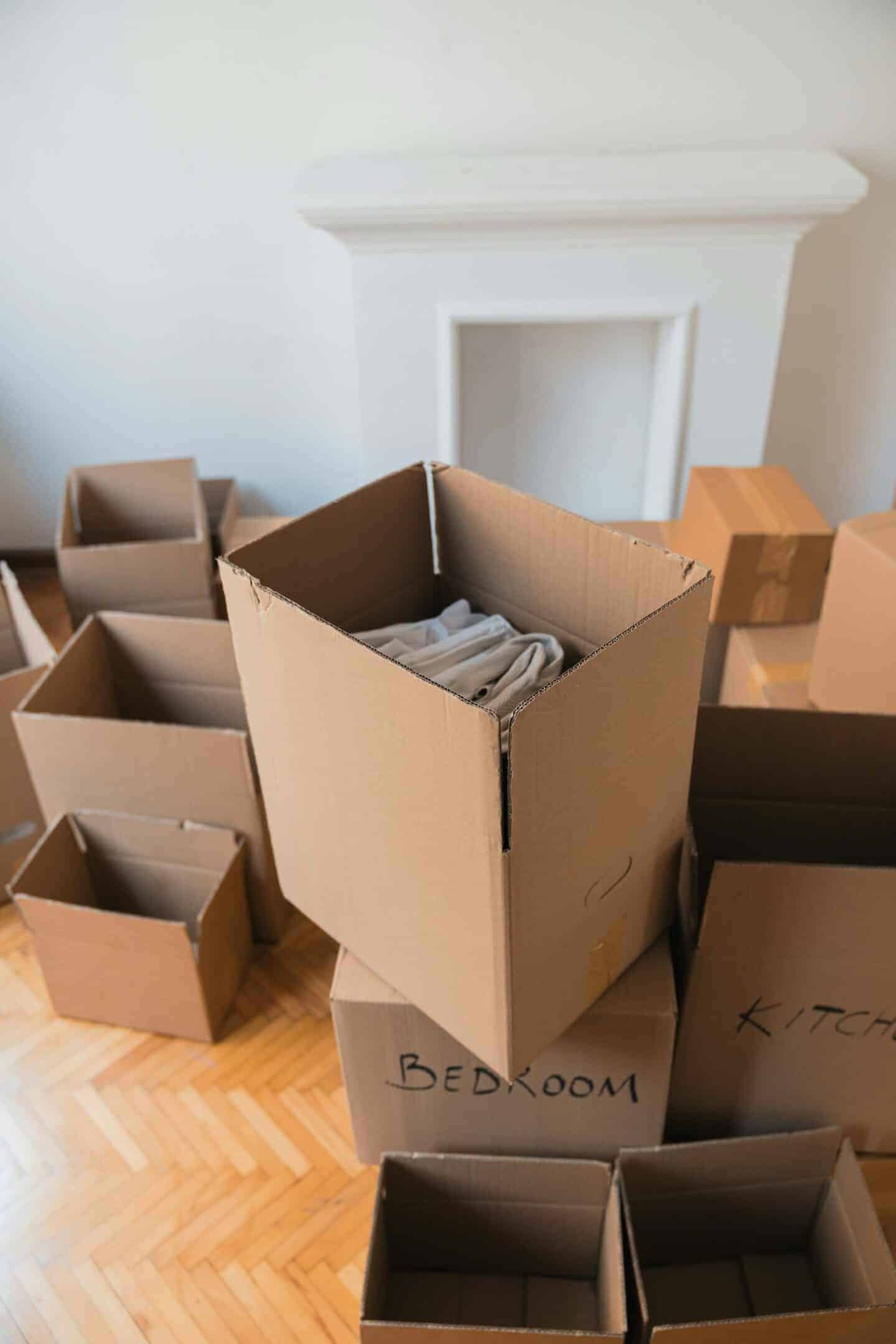
This guide helps bring order back into the process with clear habits that support a calmer routine. You’ll learn how to sort items, protect fragile pieces, and create a flow that works for any home in Singapore without adding tension. These ideas cater to every type of transition and make the entire journey manageable from start to finish.
Start With a Clear Sorting and Decluttering Plan
Before picking up a box, it’s helpful to clear the space. A light plan at this stage makes the entire process smoother later.
Identify What Stays and What Goes
Sorting early frees space and keeps you from packing items you no longer want. A few simple checks help:
- Keep things used in the last twelve months.
- Donate anything extra.
- Recycle damaged pieces.
Ask a quick question: “If I misplaced this today, would I look for it?”
This tiny test clears doubt and saves time.
Create Zones for Easier Packing
Divide your space into small sections. One area holds clothing. Another holds books. A third holds décor.
This makes the task feel lighter.
For example, placing all devices in one basket helps you wrap cables without missing any.
Methods That Make Handling Heavy Pieces Easier
Once sorting is complete, the next step is to keep each item safe. A few simple habits reduce stress and protect fragile pieces throughout the transition.
Smart Storage Support for a Safer, Easier Move
As packing continues, items can spread out and make the process harder to manage.
Extra space helps keep things in order. Large wardrobes, fragile décor, and full boxes sometimes need a temporary spot where they won’t get bumped or crowded. Using trusted movers with storage in Singapore gives these items a safe place until you’re ready to set them up. Some situations feel easier with professionals who know how to handle bulky or delicate pieces.
There are some providers, such as Rodex Movers, that offer cushioned, monitored units to hold belongings securely. For example, tall cabinets can be stored while you set up the main areas. Glass panels, mirrors, and artwork are kept in padded racks instead of leaning against walls. This simple support keeps things steady, giving you more room to work at a comfortable pace.
Choose the Right Packing Materials
Strong supplies keep fragile pieces safe from sudden pressure or drops. Boxes should feel firm when you press the sides. If they bend, they cannot support the load. Wrap breakable items in layers. Paper, towels, soft fabric, or cushioning all work well.
Consider this simple example: plates placed upright absorb less shock, while stacked plates crack under weight. The same goes for mugs. Wrap the handles first, then put them in a snug row. Even small choices like these cut damage risks.
Label, Track, and Arrange Boxes
Clear direction at this stage sets you up for an easy first day in the new place. Labels and lists remove confusion and save effort later.
Create a Simple Labeling System
Clear tags make the last step easier. Try color codes for each part of the home. For example:
- Blue: kitchen
- Yellow: bathroom
- Green: bedroom
Or use numbers. Place a “1” on a box and match it with a small list that explains its contents.
Keep an Item Inventory
Write a short list or use a mobile app. Note each box and a few items inside. This helps you check if everything arrives at the new place. It also avoids the familiar question: “Where did I put the charger?”
Prepare an Essentials Box for the First 48 Hours
The first days in a new place can feel busy and unfamiliar. A small essentials box helps you stay settled without opening every container. It also provides you with quick comfort when the rest of the home is still under construction. Think of it as a starter kit that keeps stress low during the first stretch.
Fill it with:
- Toiletries
- Snacks
- Cables
- Medicines
- Basic tools
- Items for children
Keep this box close. It saves energy when you need something right away and gives you a sense of control while everything else is still being unpacked. This small habit brings calm during a time that usually feels rushed.
Conclusion
A gentle plan transforms a demanding task into a clear and steady routine. Early sorting, good supplies, simple tags, and mindful steps on the final day protect both your items and your peace of mind. Small habits, such as keeping lists and setting aside essentials, help you settle into the new place with far less tension. With a calm approach and thoughtful choices, the transition becomes easier to handle and much more comfortable.