
When it comes to your child’s safety, questions are your best defense.
According to the National Center for Education Statistics, nearly 80% of schools in the U.S. reported at least one safety incident in the last academic year. And while technology and awareness have improved, parents often assume schools have covered all the bases — until something happens.
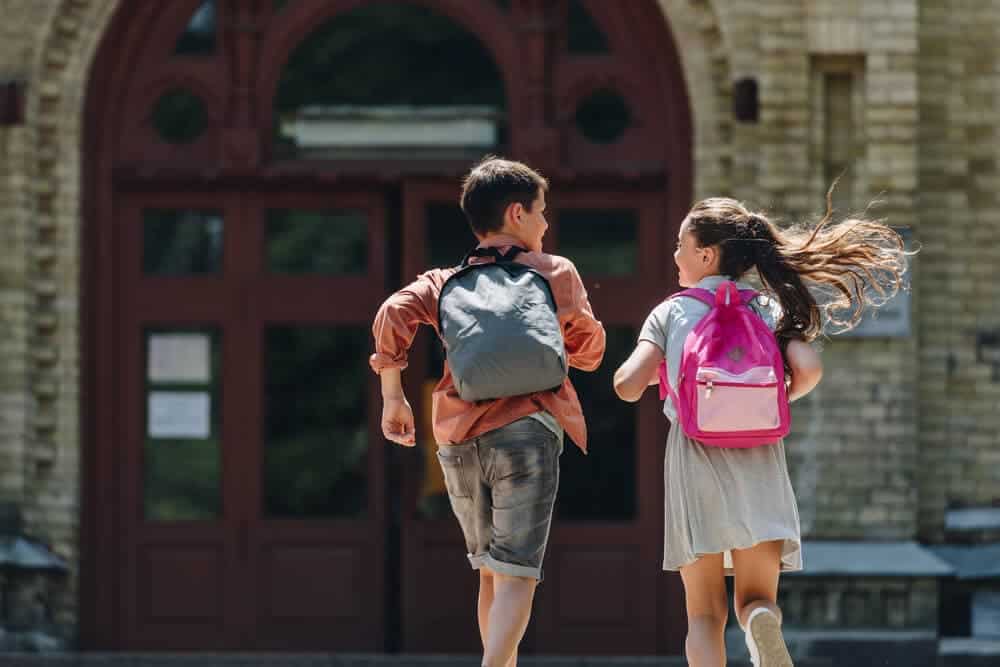
Whether your child is starting preschool or transitioning to high school, knowing what to ask can help you gauge how seriously a school takes safety — from access control and emergency drills to bullying prevention.
Let’s break down the 10 most important questions every parent should ask before enrollment or re-admission.
How Does the School Control Access to Its Campus?
A school’s first line of defense is its access control system. Ask if the school uses:
- Secured entry points with ID verification or visitor management software
- Door monitoring or lockdown systems integrated with local law enforcement
- Staff access badges or electronic locks
Tip: Schools using AI-enabled or cloud-based access control systems can remotely secure doors and track entry logs in real time.
What Emergency Response Systems Are in Place?
From medical events to intruder alerts, response time saves lives.
Ask about:
- Panic buttons or mobile alert systems
- Coordination with local police, fire, and EMS
- Reunification plans for parents and students after an incident
If the school uses an Emergency Management System (EMS), it should automate alerts and track incident progress not rely solely on manual calls or emails.
How Often Does the School Conduct Safety Drills?
Regular drills ensure readiness. Ask:
- How frequently fire, lockdown, and evacuation drills are conducted
- Whether students receive age-appropriate training
- If scenarios include after-school or extracurricular settings
According to FEMA, schools conducting quarterly drills respond up to 40% faster in real emergencies.
Are Security Cameras Actively Monitored?
Modern surveillance isn’t just about recording — it’s about real-time detection. Ask if:
- Cameras are monitored live or only reviewed post-incident
- AI analytics (like motion or weapon detection) are used
- Footage is stored securely in the cloud
The goal is proactive visibility, not just archived footage.
What’s the School’s Visitor Management Policy?
Visitors should never be able to walk in unnoticed. Key questions:
- Are visitors required to check in and show ID?
- Does the school issue temporary badges?
- Are deliveries or contractors screened before entry?
Smart visitor systems can flag repeat or unauthorized visitors automatically.
How Are Staff Trained for Safety and Emergencies?
Even the best systems fail without trained people. Ask if staff receive:
- Annual safety certification or CPR training
- Guidance on lockdown and evacuation procedures
- Communication training for crisis scenarios
Effective schools combine technology + human preparedness.
How Is Bullying and Harassment Monitored?
Physical safety is only half the story — emotional security matters just as much. Ask:
- What’s the reporting process for bullying incidents?
- Is there a digital reporting tool for anonymous tips?
- How quickly does the school respond to complaints?
A well-defined anti-bullying policy backed by student support services is essential.
Are Transportation and Pick-Up Zones Secure?
Student safety extends beyond school walls. Check:
- Whether buses have GPS tracking or driver background checks
- How the school handles pick-up authorization
- If surveillance covers parking and drop-off areas
Modern districts integrate bus tracking apps so parents can monitor routes in real time.
What Cybersecurity Measures Protect Student Data?
With online learning and smart classrooms, digital threats are rising. Ask:
- How student data is stored and encrypted
- Whether school Wi-Fi networks are monitored for threats
- If teachers use approved, secure applications
The FTC reported a 29% increase in school-related data breaches last year — awareness is key.
10. How Does the School Communicate During Emergencies?
Fast, transparent communication builds trust. Ask:
- What channels are used (SMS, email, app, robocalls)?
- How often are parent contact lists updated?
- Whether communication is two-way for parent responses
Schools should use multi-channel alerts that reach everyone instantly — not rely on single systems.
FAQs
What is the most important school safety measure for parents to check?
Access control and emergency response systems are top priorities since they prevent and manage critical incidents effectively.
Should parents ask about mental health programs too?
Absolutely. Emotional safety, counseling access, and anti-bullying initiatives are essential components of overall student safety.
How often should schools review their safety plans?
At least once per year or after any major incident or infrastructure change.
Are surveillance cameras enough for school safety?
No. Cameras are only effective when combined with trained staff, real-time monitoring, and alert systems.
What should parents do if a school isn’t transparent about safety policies?
Request a written policy or schedule a meeting with the principal. Transparency is a sign of accountability.
Final Thoughts
Every school promises safety, but preparedness is measurable. The right mix of infrastructure, training, and technology from panic systems to access control defines how secure your child truly is.
Before the next school year begins, take time to ask these questions. It’s not overprotective — it’s proactive parenting.