
There’s a certain charm to a well-designed backyard deck. It’s where lazy summer afternoons turn into impromptu dinners and quiet mornings feel like a private retreat. But behind every picture-perfect deck lies thoughtful planning, and many homeowners don’t realize just how much detail goes into making it last.
It’s easy to get swept up by color palettes, Pinterest ideas, or quick quotes. Yet rushing through those early decisions often leads to fading, warping, or expensive repairs down the road. If you want a deck that looks beautiful and stays strong year after year, balance is key between the right materials, design, and maintenance.
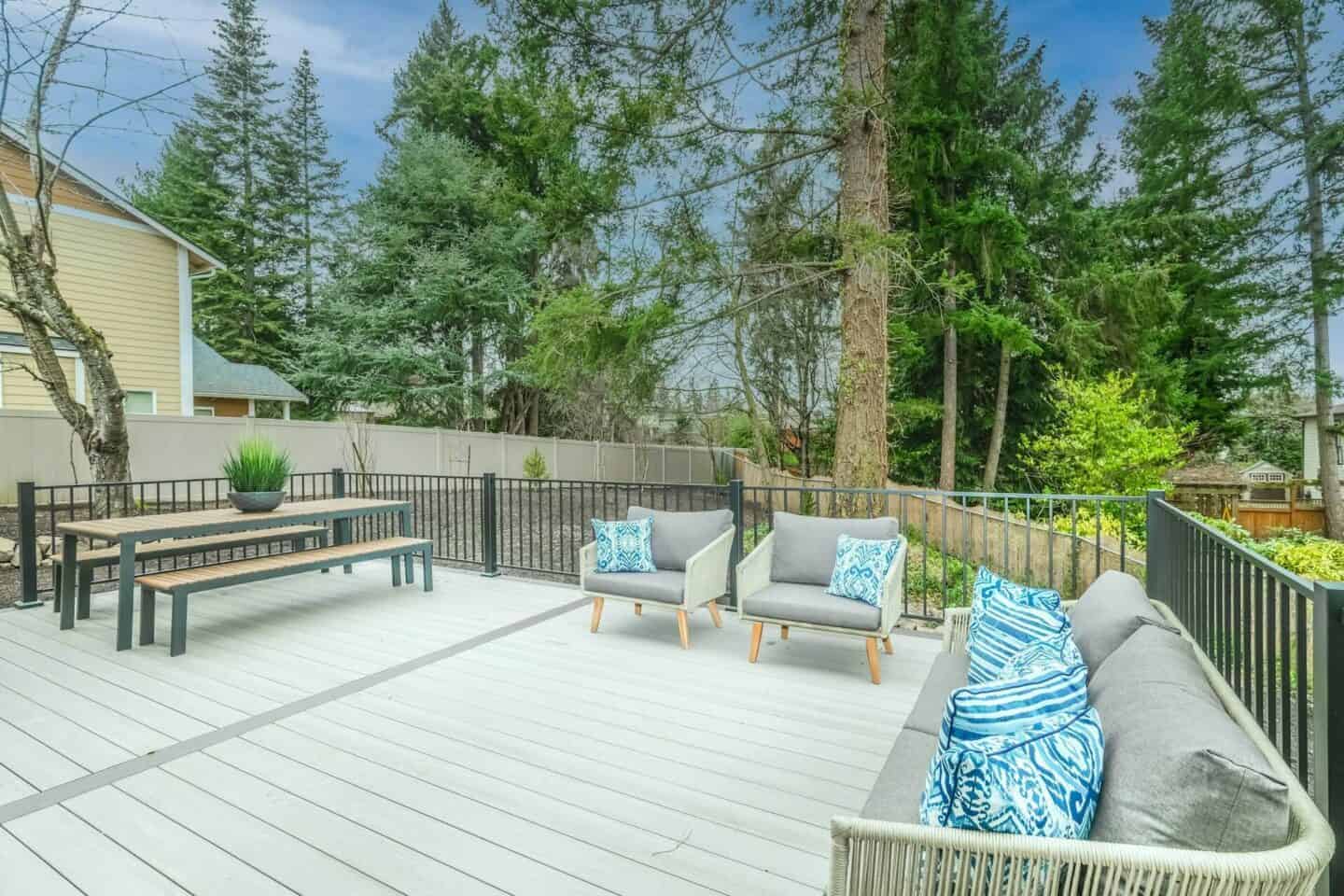
Here’s how to plan yours the right way from the start.
Start with the Right Material
The first and most important decision is choosing what your deck will be made of. Most homeowners go back and forth between two main materials: wood or composite decking. Both have their own character and their own care needs.
- Wood decking offers a warmth that feels classic and inviting. It blends seamlessly with natural surroundings, especially if your home features greenery or traditional architecture.
- Composite decking, on the other hand, is designed for endurance. Made from a mix of recycled wood fibers and plastic, it holds color beautifully, resists fading, and doesn’t splinter or warp.
To choose the right fit, take a little time to explore in-depth comparison resources of wood vs composite decks online. These usually explain how each performs over time, not just in terms of appearance, but also in terms of cost, cleaning, and weather resistance.
After reading up, think about how you’ll use your deck year-round. Consider the amount of sun it gets, how often you’ll entertain, and how much time you want to spend maintaining it. These small reflections help shape a choice that feels right for your lifestyle.
You can also get professional input from trusted decking specialists such as First Star Exteriors. These exports have usually spent years helping people choose materials that suit their homes, climates, and budgets. They can walk you through visual comparisons, explain how each material reacts to sunlight and moisture, and simplify the decision-making process.
Get the Layout Right
A deck’s layout is what makes it truly livable. It decides how light moves through the space, how people walk around furniture, and how easily the area connects with the rest of your home. Even with the best materials, a poorly planned layout can make a deck feel cramped or uneven. That’s why this early stage deserves as much attention as the build itself.
A great layout blends proportion, comfort, and flow, and much of that depends on the professional you choose to bring your vision to life. The right builder won’t just ask for measurements; they’ll ask about how you plan to use the deck.
Do you want open space for gatherings or a quiet retreat? Will the sun hit it directly, or do you need shade zones? The answers guide everything from the board pattern to where steps, railings, and seating go.
When hiring a professional, look for someone who:
- Understands spatial design and can balance aesthetics with usability.
- Pays attention to structure, including drainage system, slope, and airflow.
- Offers design input, not just installation, ideally with visuals or mock-ups.
- Has a strong portfolio with decks that still look solid after years of use.
The layout stage is where expertise truly shows. A skilled builder thinks ahead, making sure your deck flows naturally, aligns with your home’s architecture, and stays practical through the seasons.
Choose the Right Finishes and Details
Once your layout is in place, the finishing decisions come next, and they’re the ones that quietly shape how your deck will age. Finishes, railings, and fittings don’t just add beauty; they protect your investment and decide how long your deck keeps its charm.
Start with the finish and color. Natural stains and mid-toned neutrals age gracefully and complement most homes, while darker shades can fade faster under strong sunlight. Opting for finishes with UV protection helps preserve the color and grain for years.
The railing system is another subtle but powerful design choice. Wood ones feel warm and classic, while metal options offer a sleek, low-maintenance edge. You can also consider adding some extras to help your deck stand strong and stylish even more:
- Pergolas or partial shade screens to protect against sun damage.
- Fascia boards that frame edges and keep moisture out.
- Flashing tape beneath joists to block water infiltration.
- Low-voltage lighting for soft ambiance and nighttime safety.
Every finish and fixture you choose affects not just how your deck looks, but how it lasts. Taking the time to get these small details right means you’ll enjoy a deck that stays as beautiful in ten years as it was on day one.

Wrapping Up
A backyard deck is more than a design upgrade; rather, it’s a lifestyle upgrade. It’s where quiet mornings turn into lively evenings and simple details shape lasting comfort.
Every decision, from layout to finishes, helps shape a space that lasts. When you plan carefully, choose materials wisely, and work with people who understand both design and durability, your deck becomes a lasting part of your home’s story.