
When constructing or renovating a home, the choice of roofing materials stands as one of the most critical decisions a homeowner can make. Roofing materials impact the aesthetic appeal of the residence and affect durability, energy efficiency, and maintenance costs. Homeowners frequently find themselves weighing options between affordable and premium roofing materials. This article will delve into the differences, advantages, and considerations that come into play when selecting affordable versus premium roofing materials.
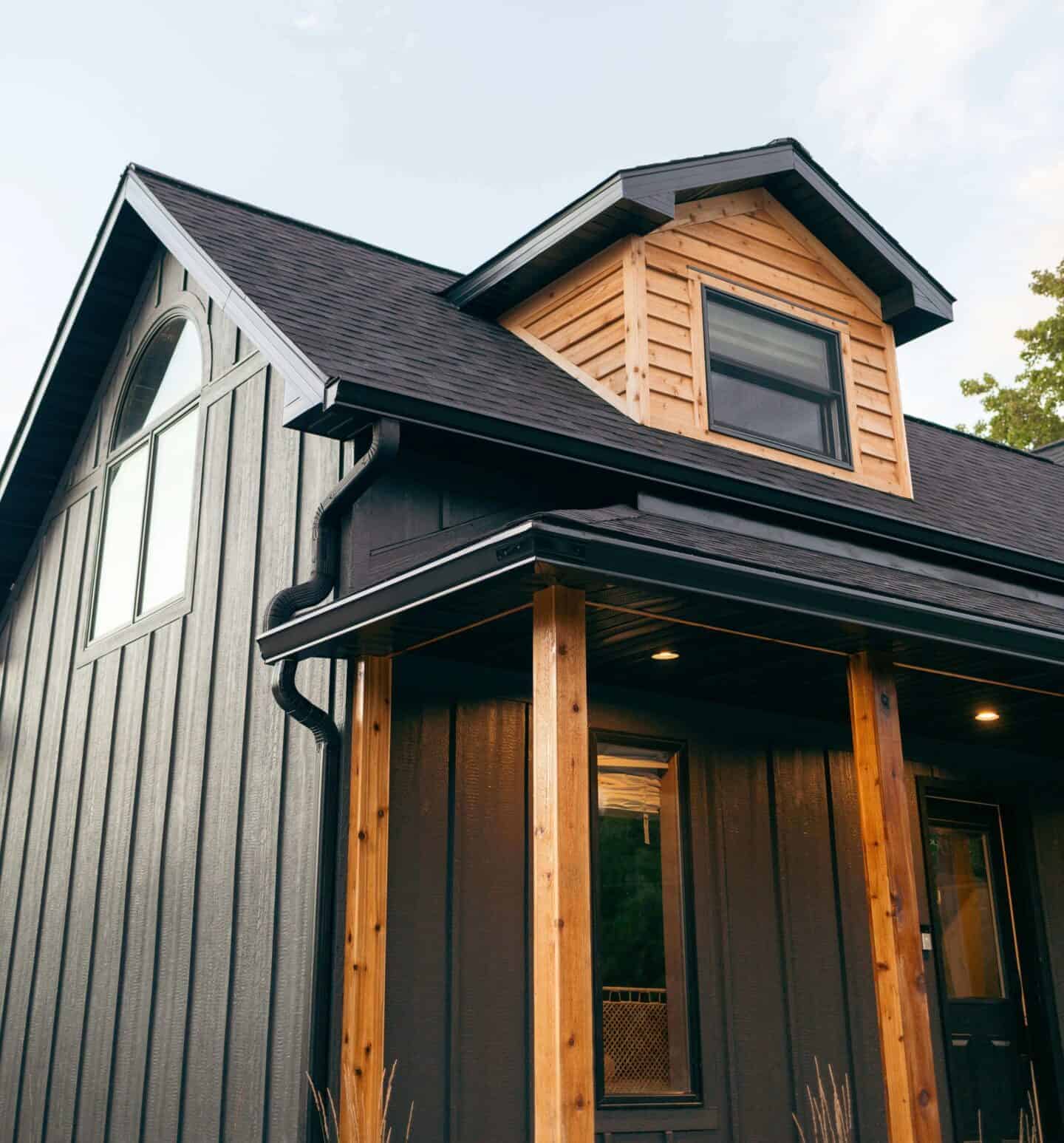
Understanding Roofing Material Options
One of the most common roofing materials is asphalt shingles, known for their versatility and cost-effectiveness. Depending on the grade of the shingles, they may provide varying levels of insulation, aesthetic appeal, and durability. On the other hand, premium materials such as slate, tile, or metal roofing typically offer enhanced longevity and resilience against harsh weather conditions. The cost differential between these options can be significant, with premium materials lasting up to 50 years or more, while affordable options may require replacement within 20 years.
Cost Analysis
When looking at roofing materials, many homeowners prioritize budget. Affordable options like asphalt shingles may come with an initial savings. It could also incur additional costs due to repairs and replacements. On average, installing asphalt shingles costs about $85 to $100 per square, whereas premium materials can range from $200 to $600 per square, depending on the type and brand. It’s crucial to consider the upfront costs and the long-term expenses associated with maintenance and potential replacements. The initial investment in premium roofing can lead to savings, as these materials tend to have lower lifetime costs and improved warranties.
Durability and Lifespan Considerations
Durability is a significant factor when choosing roofing materials. While affordable materials may suit the short-term needs of a homeowner, premium materials provide a long-lasting solution that withstands the test of time. Metal roofing can last up to 70 years, while slate can reliably protect homes for over a century.
Premium materials often feature better resistance to elements such as wind, hail, and UV radiation, making them more suitable for regions prone to severe weather. This provides peace of mind and offers added protection for homeowners’ investments.
Maintenance and Repair Needs
Affordable roofing materials often require more frequent maintenance and repairs, leading to hidden long-term costs. Asphalt shingles might need to be replaced after just a couple of decades in areas with extreme weather conditions. On the other hand, premium materials, while more expensive initially, often require minimal maintenance over their lifespan, resulting in fewer disruptions for the homeowner. In fact, roofing services can provide insights into lifetime maintenance costs, helping homeowners compare roofing shingle brands effectively and see where they may save in the long run. Investing in a quality roof can lead to substantial savings due to reduced maintenance and repair work.
Aesthetic Appeal
Aesthetics play a crucial role in the roofing decision-making process. Premium roofing materials often come in various styles and colors, allowing homeowners to choose a look that complements their architectural design and enhances curb appeal. While affordable materials may suffice in function, they can sometimes lack the unique aesthetics that premium materials provide. Homes with premium roofs can see improved property value, making them more attractive to potential buyers. Certain neighborhoods have specific guidelines that may favor premium materials aesthetically, impacting value and neighborhood appeal.
Environmental Impact and Sustainability
As the world increasingly prioritizes sustainability, roofing material choices can reflect a commitment to the environment. Many premium materials, such as metal and slate, are often more sustainable than their cheaper counterparts. Metal roofs are significantly more energy-efficient and can be fully recycled at the end of their lifecycle. Conversely, affordable options may not offer the same environmental benefits, contributing to waste and pollution. Homeowners should evaluate the ecological impacts of their roofing choice, as premium materials often align better with sustainable building practices.

Climate and Regional Suitability
When deciding between affordable and premium roofing materials, it’s important to consider how local climate conditions influence performance. Affordable options like asphalt shingles may work well in mild regions and can deteriorate quickly under extreme heat, heavy snowfall, or high winds. Premium materials such as tile, slate, or metal often perform better in these demanding environments, offering superior resistance to moisture, temperature fluctuations, and storm damage. Consulting with roofing experts familiar with regional weather patterns helps ensure homeowners select materials that maximize protection and long-term value for their specific location.
Selecting between affordable and premium roofing materials involves a multitude of factors, including cost, durability, maintenance, aesthetics, and environmental considerations. While affordable options offer immediate savings, they can bring higher long-term costs that may outweigh the initial investment. Premium materials, though pricier upfront, provide enhanced durability, aesthetic appeal, and potential savings on repairs and maintenance in the long run. Taking the time to evaluate the long-term implications of roofing choices leads to more informed decisions that can greatly benefit homeowners in the future.