
If you live in Toronto, you probably know that natural disasters are not uncommon. There have been nine natural disasters since 1940, which have caused severe destruction to homes and other structures. So you might worry if the next one would affect your home and what you would do. That’s where homeowner’s insurance comes in.
For homeowners and landlords in the vibrant city of Toronto, where the housing market is as diverse as the skyline, you always want to know your investment is safe. To have peace of mind, you must have good homeowner’s insurance coverage.

What is homeowner’s insurance?
Homeowner’s insurance provides coverage for potential risks and damages that your property may face. It typically includes protection against financial risks from fire, theft, vandalism, and certain natural disasters.
The coverage of homeowner’s insurance extends beyond the physical structure of your home. It often includes coverage for personal belongings, liability protection in case tenants or visitors get injured on your property, and additional living expenses if your home becomes temporarily uninhabitable due to a covered event.
How homeowner’s insurance works
This is how homeowners insurance works in Toronto: Homeowners pay a premium to the insurance provider, typically annually. The insurance policy will state precisely what kind of financial risks are covered. So, if an unfortunate event occurs, the homeowner can file a claim with the insurance company, and the company will pay for those losses covered.
But what if you have tenants? Note that homeowner’s insurance does not cover the personal belongings of renters, so it’s best they get tenant insurance in Toronto. So, while the homeowners’ insurance covers the structural damage and other losses, the tenant’s insurance may cover their personal losses. All you have to do is file a claim when disaster strikes.
Whether you are the homeowner or a tenant, once your claim is approved, the insurance provider will compensate you for what the insurance covers, whether it’s repairing the home, paying for lost belongings, covering medical expenses for injuries, or providing funds for temporary housing as the case may be.
5 common scenarios where your homeowner’s insurance will apply
1. Fire and Smoke Damage
In the unfortunate event of a fire or smoke damage, your homeowner’s insurance will cover the cost of repairing or rebuilding the home, replacing personal belongings, and even covering temporary accommodation expenses while your home is being restored. This coverage isn’t just about bricks and mortar; it’s about rebuilding the sense of security and comfort that your home provides.
Tip for landlords with tenants: Remind your tenants about the importance of the tenant’s insurance. While your homeowner’s insurance may cover the structure, it’s crucial for tenants to have coverage for their personal belongings.
2. Water Damage
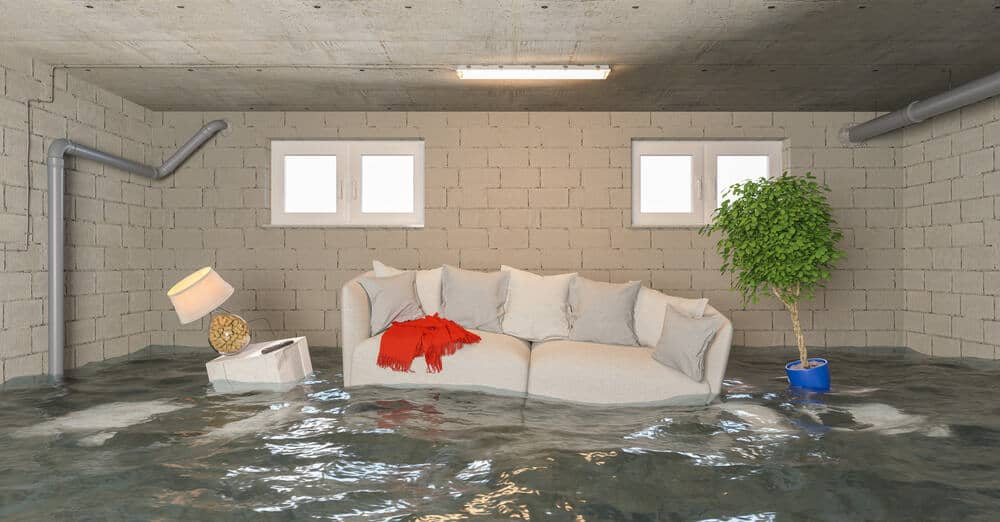
Toronto’s weather can be unpredictable, and water damage is a common concern for homeowners. Whether it’s a burst pipe, a malfunctioning appliance, or heavy rainfall leading to flooding, your homeowner’s insurance can help cover the cost of repairs. Timely intervention is key, so be sure to report any water-related issues promptly to your insurance provider to prevent further damage.
It’s also wise to regularly inspect and maintain the property’s plumbing and appliances to mitigate the risk of water damage.
3. Theft and Vandalism
Theft and vandalism are unfortunate realities, and your homeowner’s insurance can provide coverage for stolen belongings and damage caused by vandalism. Documenting your possessions and maintaining an up-to-date inventory can streamline the claims process if you ever find yourself in this unfortunate situation.
You should also encourage your tenants to take basic security measures, such as installing security systems or using deadbolt locks.
4. Liability Coverage
Accidents happen, and when they occur on your property, you could be held liable. Whether it’s a slip and fall or another accident that causes injury to someone on your premises, liability coverage in your homeowner’s insurance can help cover legal expenses, medical bills, and other associated costs.
To be on the safe side, make sure your rental property is well-maintained to minimize the risk of accidents. Communicate clearly with tenants about potential hazards and encourage them to report any issues promptly.
5. Loss of Use
In the aftermath of a covered event that makes your home temporarily uninhabitable, the additional living expenses (ALE) coverage in your homeowner’s insurance becomes invaluable. This coverage assists with the cost of alternative accommodation, meals, and other necessary expenses while your home is being repaired or rebuilt. In a city like Toronto, where finding temporary housing can be a challenge, this coverage provides a financial lifeline.
If, as a landlord, your rental property becomes uninhabitable, it’s good to assist your tenants in finding suitable temporary accommodation.
Final thoughts
As you can see, homeowner’s insurance is more than optional; it’s a necessity. You have to protect your investment at all costs. And your homeowner’s insurance is a powerful tool, offering protection and peace of mind in the face of life’s uncertainties. By understanding the breadth of coverage available and taking proactive steps to minimize risks, you can ensure that your haven in Toronto remains a place of comfort, security, and enduring value.