
Are you a new or soon-to-be parent trying to navigate the world of baby gear? One question often arises: what is the difference between a pram and a pushchair?
These terms are often used interchangeably but refer to distinct baby transport options. Understanding their features and functions can help you choose the right one for your newborn.
With thousands of options available from top pram retailers like DeWaldens Pram Centre, it can take time to know where to start when shopping for baby gear to get you started.
In this article, we’ll explore the key differences between the two baby travel systems, helping you to make the right choice for your baby and your lifestyle.
Let’s get into it!
Understanding the Features of a Pram
If you’re wondering what sets a pram apart from a pushchair, let’s dive into the unique features of a pram!
Prams are designed with newborns in mind, providing them with a safe and comfortable space to lie flat. This is crucial for their fragile bodies, allowing them to stretch out fully and maintain proper spinal alignment.
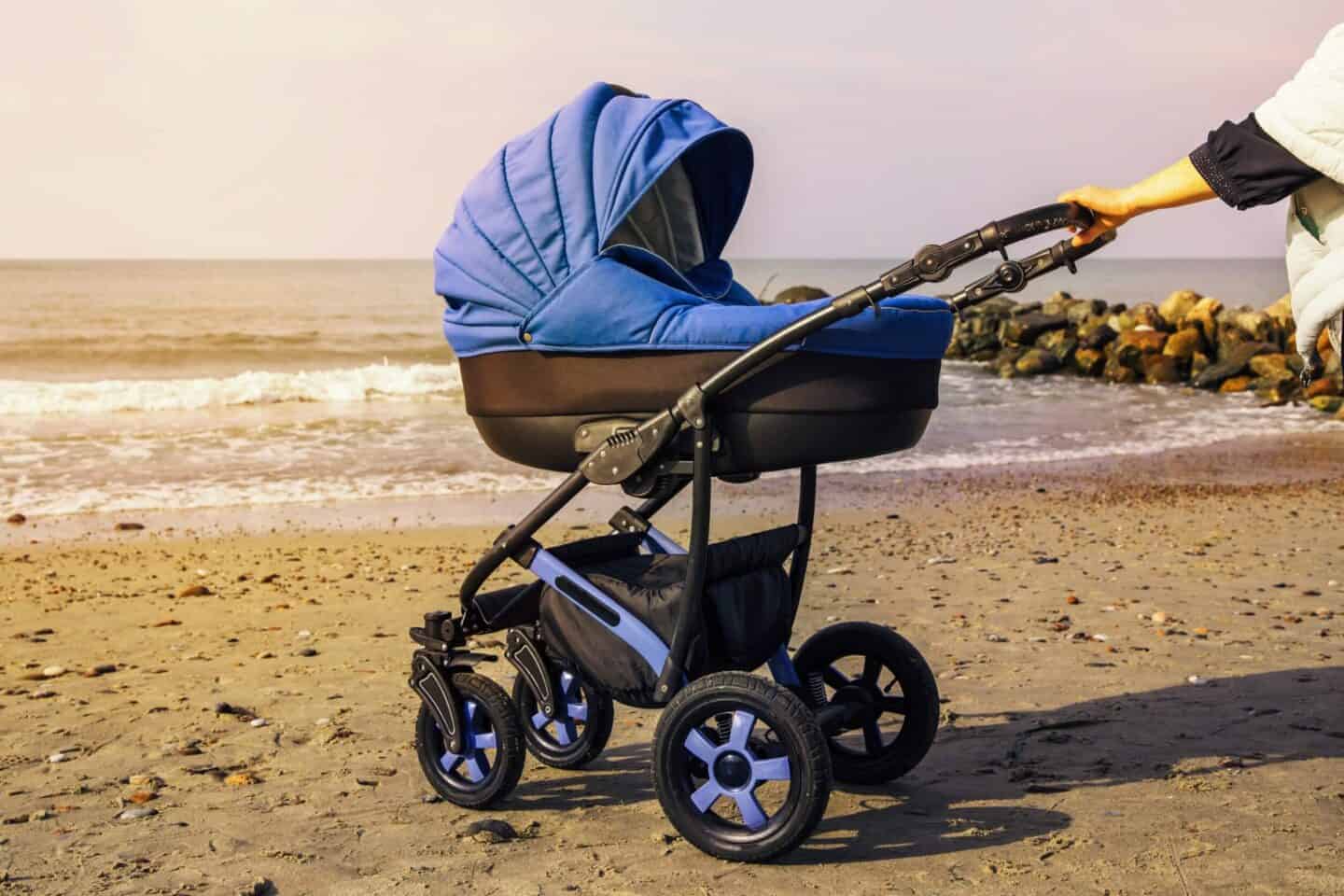
Unlike pushchairs, prams also have a bassinet-like structure that can be detached from the chassis. This means you can easily transport your sleeping baby without disturbing their peaceful slumber.
Another feature that distinguishes prams from pushchairs is the large wheels they typically have. These wheels are specifically designed to handle various terrains, making it easier to manoeuvre over uneven surfaces such as gravel or grass.
Additionally, prams often come with adjustable suspension systems, ensuring a smooth ride for your little one, even on bumpy roads. The spacious storage baskets underneath the pram are also worth mentioning, as they provide ample room for all your baby’s essentials, like diapers, bottles, and toys.
While pushchairs are more suitable for older babies who can sit upright independently, prams cater to the needs of newborns by offering a flat lying position and superior comfort.
With their detachable bassinet-like structure and sturdy wheels built for different terrains, prams provide both convenience, safety, and stability for you and your precious bundle of joy.
Exploring the Functions of a Pushchair
A pushchair is designed to provide convenience and ease of use for you and your baby. They are typically crafted to ease your baby’s transition from baby to toddler and can support newborns and older children. Here are some key functions that make pushchairs an essential item for parents:
- Manoeuvrability: Pushchairs have swivel wheels, allowing you to navigate through different terrains effortlessly. Whether strolling in the park or manoeuvring through crowded streets, the pushchair’s smooth movement ensures a comfortable ride for your baby.
- Adjustable seating positions: Most pushchairs offer multiple positions, including fully reclined options. This feature allows your little one to nap comfortably while you continue with your daily activities. Additionally, adjustable footrests provide optimal support as your child grows.

On top of these fantastic features, pushchairs also come with additional accessories that enhance their functionality and convenience, for example:
- Storage space: Many pushchairs have spacious storage baskets underneath the seat, providing ample room for carrying essentials such as diaper bags or groceries.
- Canopy and rain cover: Pushchairs often come with a canopy that shields your baby from harsh sunlight or light rain showers. Some models even include a detachable rain cover for protection during unpredictable weather conditions.
A pushchair offers versatility and comfort for both parent and child during outings or errands. Its various functions cater to the needs of busy parents while ensuring that their little ones remain safe and cosy throughout the journey.
Choosing the Right Baby Transport Option
When selecting the appropriate mode of transportation for your baby, it’s crucial to consider factors such as convenience, comfort, and adaptability. The right baby transport option can make all the difference in your daily routine and overall ease of navigating with a little one.
Prams and pushchairs are two popular choices, each offering their unique features.
Prams are designed with a bassinet-like structure allowing your newborn to lie flat. This is especially beneficial during the first few months when babies need extra support for their delicate spines and necks. Prams often come with large wheels and sturdy suspension systems, making them suitable for terrains like bumpy roads or park trails.
On the other hand, pushchairs provide a more upright seating position and are ideal for older babies who can sit up independently. They usually have adjustable seat positions that allow your child to recline or sit straight as needed. Pushchairs also tend to be more compact and lightweight than prams, which makes them easier to manoeuvre in crowded places or store in smaller spaces.
Ultimately, choosing between a pram and a pushchair depends on your specific needs and preferences, as well as your baby’s age. Consider where to use it most often, how frequently you travel with your baby, and whether you value versatility or specialised functionality more.
By carefully evaluating these aspects, you can make an informed decision that perfectly suits your and your little one’s needs.
Considering the Age and Needs of Your Child
Choosing the right mode of transportation for your baby involves considering their age and specific needs, ensuring they’re comfortable and supported throughout their journey. When it comes to prams and pushchairs, age plays an important role in determining which option is most suitable.
Prams are generally designed for newborn babies, providing a flat and cosy sleeping environment with a bassinet-like structure. This is perfect for infants who need to lie flat due to their developing spine and neck muscles.
On the other hand, pushchairs are more suitable for older babies who can sit up independently or with minimal support. They offer a more upright seating position, allowing your child to explore their surroundings while being secure.
In addition to age considerations, you should consider your baby’s specific needs when choosing between a pram and a pushchair. If your little one tends to sleep for long periods during outings, a pram may be the better choice as it provides them with a comfortable place to rest.
Prams often have larger wheels that handle uneven terrain well, making them ideal for walking off-road or on bumpy surfaces. Pushchairs, conversely, are more manoeuvrable in crowded areas like shopping centres or public transportation due to their compact design and smaller wheels. They often come equipped with adjustable backrests and harnesses that allow you to customise the seating position according to your baby’s comfort level.
Ultimately, by considering your baby’s age and individual needs, you can make an informed decision between a pram and a pushchair to ensure their safety and enjoyment during every outing.
Weighing the Pros and Cons of Prams and Pushchairs
Consider the advantages and disadvantages of prams and pushchairs to find the perfect mode of transportation for your little one.
Prams, also known as strollers or buggies, are typically designed for newborns and young infants. They provide a lying down position, allowing your baby to sleep comfortably during outings. Prams often come with a bassinet attachment that can be detached and used as a portable bed. This feature is especially convenient if you plan on taking long walks or visiting friends and family.
On the other hand, pushchairs are more suitable for older babies who can sit up on their own. They offer a variety of seating positions, including reclining options for napping or upright positions for exploring the surroundings. Pushchairs usually have adjustable handles, making it easier for parents of different heights to push them comfortably. Additionally, many pushchairs include storage baskets, cup holders, and canopy extensions, offering extra convenience during outings.
While prams provide a cosy environment for your newborn and allow them to lie flat while sleeping, they can be bulkier and less manoeuvrable than pushchairs. Pushchairs are generally more versatile in terms of seating positions and features but may not be suitable for very young infants who require a fully reclined position.
Ultimately, deciding between a pram or a pushchair depends on your child’s age and needs and your preferences regarding functionality and convenience during everyday outings.

Which Pram Will You Choose?
In conclusion, there are several factors to consider when it comes to the difference between a pram and a pushchair for your baby. Understanding each option’s features and functions is important to make an informed decision.
Ultimately, finding the right baby transport option depends on what works best for you and your little one. Take the time to weigh all the pros and cons before deciding. Whether you opt for a pram or a pushchair, remember that safety should always be your top priority.
With proper research and consideration of your child’s needs, you can find the perfect mode of transportation that’ll keep them safe and happy during outings!