
Corporate social responsibility (CSR) has become a buzzword in the business world in recent years and for good reason. As consumers become more socially conscious and employees demand more from their employers, companies are realising that they have a responsibility to operate in ways that enhance, rather than degrade, society and the environment.
In this blog post, we will explore the importance of CSR in the modern business landscape. We will discuss why CSR is becoming increasingly important. The benefits of giving back to the community, and why CSR is becoming a key factor in attracting employees.
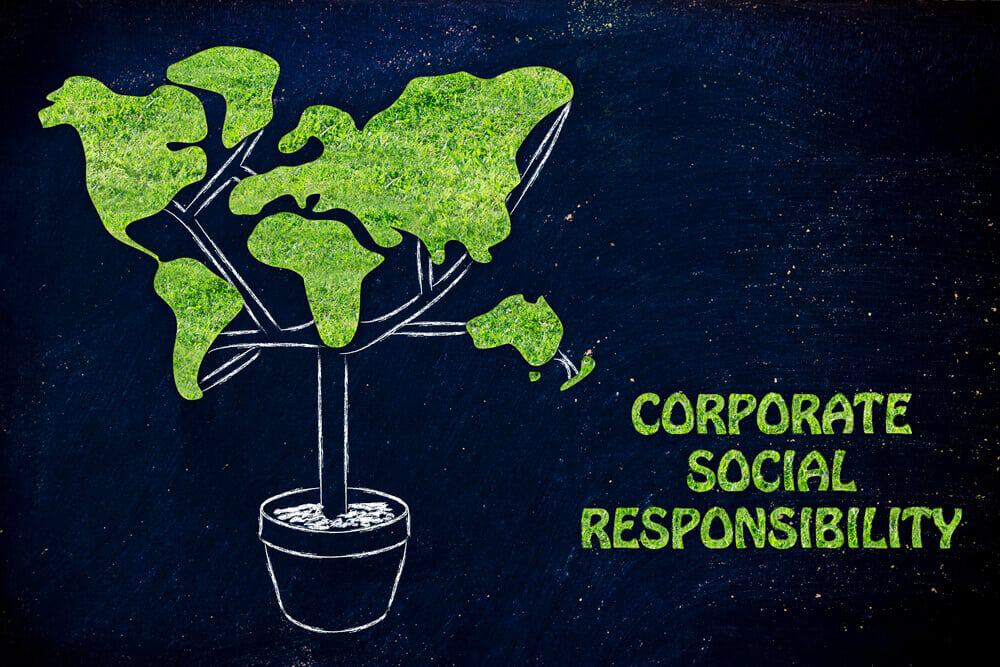
Ultimately, we will show that CSR is not just a feel-good initiative, but a critical component of long-term business success. Companies that prioritise CSR are more likely to attract and retain customers, employees, and investors, and to avoid potential legal and financial risks. So, let’s dive in and explore the importance of CSR in the modern business world.
What is Corporate Social Responsibility?
Corporate social responsibility (CSR) is a business model that emphasises a company’s responsibility to operate in ways that enhance, rather than degrade, society and the environment.
This includes taking into account the impact of their operations on various stakeholders. Such as the employees, customers, suppliers, the community, and the environment.
CSR is becoming increasingly important in the modern business landscape for several reasons. First, consumers are becoming more socially conscious and are increasingly choosing to support companies that align with their values. This means that companies that prioritise CSR are more likely to attract and retain customers.
Second, employees are also placing more importance on CSR when choosing where to work. This means that companies that prioritise CSR are more likely to attract and retain top employees.
Finally, CSR is also becoming more important from a regulatory perspective. Governments are increasingly implementing regulations that require companies to consider the impact of their operations on the environment and society. Companies that prioritise CSR are more likely to stay ahead of regulatory changes and avoid potential legal and financial risks.
Benefits of Corporate Social Responsibility
Giving back to the community is a key component of corporate social responsibility and has numerous benefits for businesses. In this section, we will explore some of the key benefits of giving back to the community.
First and foremost, giving back to the community has a positive impact on the community itself. By supporting local charities, non-profits, and community organisations, businesses can help to address social, economic, and environmental issues. This can include everything from supporting local schools with materials or funds to providing disaster relief to protecting the environment. By doing so, businesses can help to create a better quality of life. For their customers and employees and to build stronger, more resilient communities.
Example of Corporate Social Responsibility
Builder Depot, a London-based builder’s merchant, recently launched its Charitable Donations Programme in May 2023. The programme aims to provide discounted or free building materials to good causes for construction, maintenance, and renovation tasks. This programme is an excellent example of how businesses can give back to their communities by supporting local charities and non-profits. By providing building materials to good causes, Builder Depot is making a positive impact on society and demonstrating its commitment to corporate social responsibility. Builder Depot’s Charitable Donations Programme is a great example of how businesses can make a positive impact on society and create a better future for all.
Second, giving back to the community can also improve a company’s reputation and brand image. Consumers are becoming increasingly socially conscious and are more likely to support companies that align with their values. By demonstrating a commitment to social and environmental issues, businesses can build trust and loyalty with their customers. This will differentiate them from their competitors.
Third, giving back to the community can also increase employee engagement and retention. Employees are more likely to feel proud of their employer. They will be motivated to work for a company that is making a positive impact in the world. This can lead to higher levels of job satisfaction, lower turnover rates, and increased productivity.
Finally, giving back to the community can also have the potential for increased profits. By building strong relationships with customers and communities, businesses can increase customer loyalty and attract new customers. You can organise planning charitable trusts to get started.

Giving back to the community is a win-win for businesses and their communities. By supporting local charities and non-profits, businesses can make a positive impact on society. Improve their reputation and brand image, increase employee engagement and retention, and potentially increase profits.