
The estimated prevalence of eye disease is hard to quantify, but some 500,000 people suffer from Glaucoma while the same number report having cataracts. A further 600,000 people experience age-related macular degeneration on these shores, but what about younger patients with eye conditions?
Well, it’s thought that some 1.6 million school-aged children are living with an undetected eye problem, creating a significant issue for both them and healthcare providers further down the line.
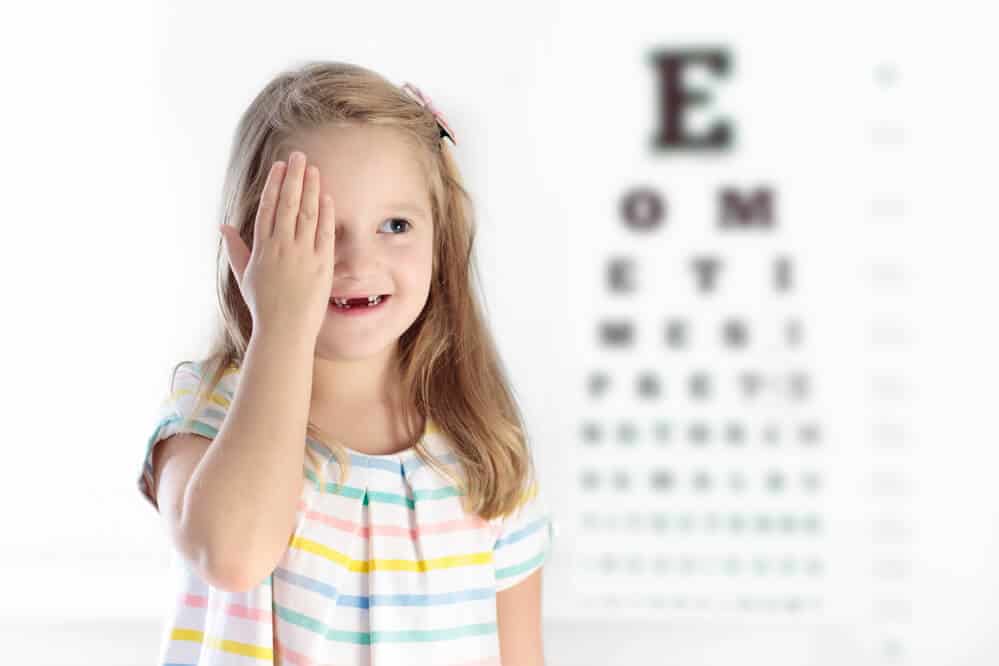
Prevention is better than cure, of course, but what steps can be taken to teach eye safety and minimise the risk of conditions arising?
Exercise, Exercise, Exercise
Let’s start with prevention, as exercise and maintaining an active lifestyle can help to directly tackle childhood obesity.
Interestingly, this also helps to reduce the risk of developing conditions such as diabetes, which often leads to ill eye health the aforementioned condition of Glaucoma.
The good news is that there are various ways that kids can stay fit, from sporting activities like football to dance classes and gymnastics.
Showcase Good Eye Care
Children look to their parents as an example in life, subconsciously when they’re younger and more proactively as they continue to age.
So, if you do wear glasses, it’s crucial that you wear them properly and when required, while taking care to clean and maintain them.
While your children may not need glasses, you can teach positive behaviours with sunglasses, encouraging them to take care of their glasses and look after them carefully.
The same principle applies when wearing contact lenses, which need to be applied and fitted correctly and removed at the end of each day (depending on their type and the nature of your prescription).
Take Them to Regular Eye Appointments
Like visiting the dentist, it’s crucial that you regularly schedule eyecare appointments for you and your child.
This also teaches good behaviour, while affording optometrists ample and regular opportunities to identify (and correct) any issues with their eyes.
Booking regular appointments when your child is young also gets them used to eyecare and the processes that are followed during appointments, minimising the risk of them being scared or intimidated in the future.
Last But Not Least – Talk to Them
Where possible, it’s good to treat kids like the miniature adults that they are, as this enables you to open up positive lines of communication and increases the chance that your children will listen to what you have to say.
You can then talk openly to your children about their health and the risks posed by eye-related conditions, ideally in a way that breeds awareness without encouraging them to become scared or concerned.
Just try to ensure that you have open communication where both parties feel free to speak while taking the time to share your message and highlighting the benefits of seeking out regular eye care.