
Initially, a self-assessment may appear quite overwhelming, but it can be easy for you if you prepare from the beginning of a financial year and have your documents organised. Take some time and work on the form so that you fill it correctly and do not impose penalties. Go through the guidelines annually and arrange the supporting documents; your application will be smooth.
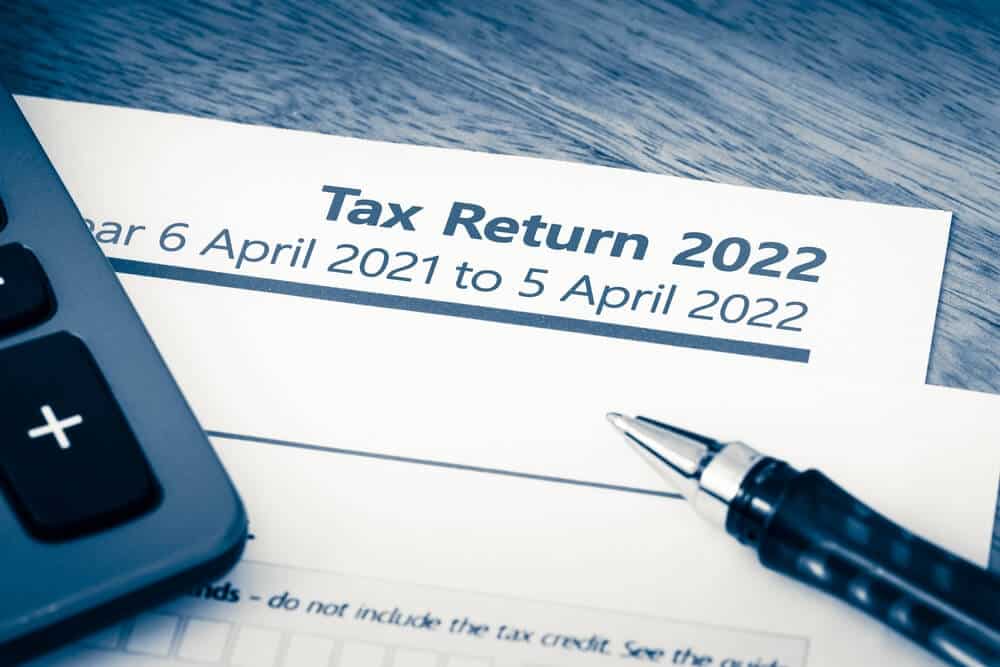
Table of Contents
- Who needs to file a Self Assessment tax return?
- How to register for a Self Assessment tax return?
- Which are the important Self Assessment deadlines?
- Summing Up
Who needs to file a Self Assessment tax return?
You need to file a Self Assessment tax return only if:
- your total self-employment income exceeds £1,000 (prior to deducting any amount that can be claimed under the tax relief)
- your earnings from renting any property exceed £2,500 (you need to get in touch with the HMRC if it lies within £1,000 and £2,500)
- Your untaxed income is higher than £2,500; this includes tips, donations or commission.
- Your total income via savings or investments was £10,000 or even higher before deducting the tax.
- You must pay the Capital Gains Tax if you have sold shares or a second home.
- You hold the office of a company director (non-profit organisations are excluded).
- You or your partner’s income exceeds £50,000, claiming the Child Benefit.
- You have a taxable source of income from abroad, or you reside abroad but have an income in the UK.
- Your taxable income exceeds £100,000.
- You make pension contributions if your income is higher than £50,000 in the 2021/22 tax year. In that case, you might have to complete an assessment to claim back the extra tax relief you’re owed.
- You’re a trustee of a trust or registered pension scheme.
- Your State Pension was your sole income and exceeded your personal allowance.
- You received a P800 from HMRC stating that you underpaid tax last year.
The HMRC suggests filing a Self Assessment tax return in case you wish to make voluntary Class 2 National Insurance contributions. This will assist you in qualifying for additional perks such as the State Pension.
A Self Assessment tax return is not applicable for employees who have paid taxes through the Pay As You Earn (PAYE) system unless they earn over £100,000.
How do register for a Self Assessment tax return?
- If this is the first time you are applying for the self-assessment tax return, you must register yourself first.
- The registration procedure is different given that you are self-employed, not self-employed but still required to declare income, or you are part of a joint venture.
- For more details, check out the Self Assessment at GOV.UK. (Opens in a new window)
- After registration, you will receive your Unique Taxpayer Reference (UTR).
- If you intend to proceed with your Self Assessment form online, you will have to set up a Government Gateway account. To achieve this, proceed with the instructions mentioned in the letter that comes with your UTR.
- You will receive an activation code in the post after setting up the account.
- The next step is to complete the setup for your Gateway account.
- In case you have applied for Self Assessment tax returns before, you need your previous UTR for registration and account set-up.
- First, try and access your Gateway account. This must be done before you try to submit your Self Assessment. This will help you to save a lot of time and have a smooth experience.
Which are the important Self Assessment deadlines?
A tax year is quite distinct from a calendar year, and you pay taxes according to the prior. You need to do this according to the arrears.
For instance, let us consider the 21/22 tax year – starting from 6 April 2021 to 5 April 2022 – an individual:
- Needs to register for the Self Assessment tax return by 5 October 2022 only if they have never submitted a return earlier.
- Submit your return by midnight 31 October 2022; if filing a paper tax return.
- Submit your return by midnight 31 January 2023; if filing online, pay the tax you owe by midnight 31 January 2023.
- If you fail to meet one or more of these deadlines, you might be charged a penalty fee and interest on late payments.
Summing Up
Filing the self-assessment tax return is quite a simple process if you follow all the guidelines issued by the HMRC. The prime hack is to keep all the deadlines at your fingertips so that you don’t miss out on any of them. Missing any deadline would lead to a penalty, and your application might get delayed.
Just prepare a roadmap based on the deadlines to ensure you don’t miss any of them and have the prerequisite documents handy. This would ensure that your self-assessment tax return process is flawless and you don’t have to face any challenges in the future.
You may also find these posts helpful: