
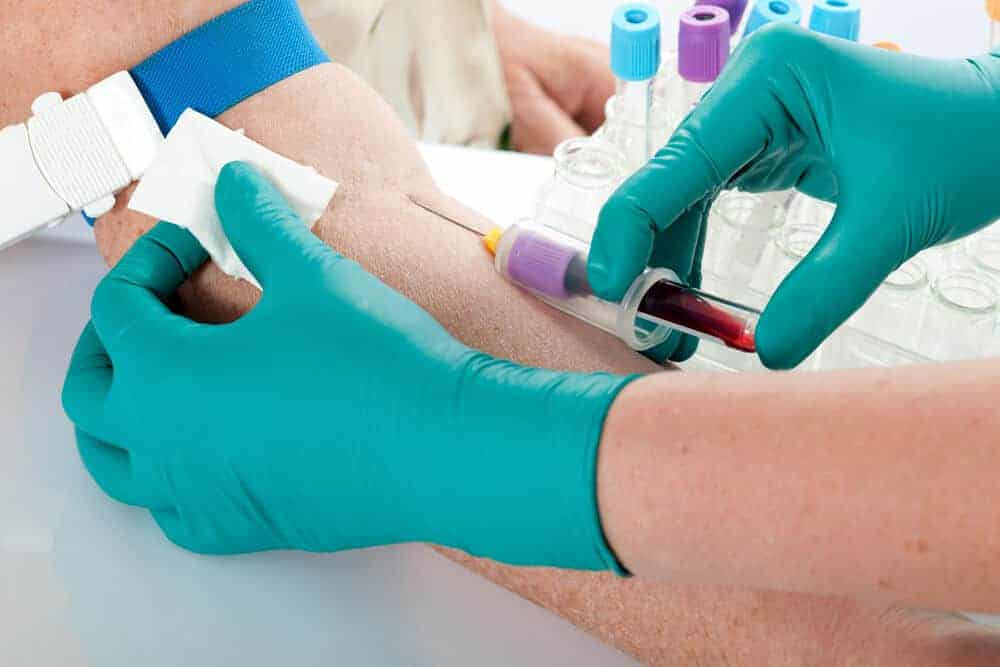
A blood draw is a medical procedure in which a sample of blood is taken from the body for diagnostic testing. The most common type of blood draw is venipuncture, in which a needle is inserted into a vein, usually in the arm, to collect a sample of blood. Blood draws are performed for many reasons, including checking for anemia and infection or monitoring blood sugar levels.
In fact, a blood draw can be a simple and quick procedure, but it can also be painful and uncomfortable for some people. In order to make the blood draw more convenient, we have compiled a list of 7 tips.
By following these seven useful tips, you can make the blood draw experience more bearable and hopefully even enjoyable! So, stay tuned!
1. Relax and Stay Calm
This is probably the most essential tip on the list. It is natural to feel nervous before a blood draw, but it is important to try to relax and stay calm.
Taking deep breaths and concentrating on positive thoughts may help to ease anxiety. You may even close your eyes and imagine a peaceful scene.
2. Use a Numbing Cream
Another way to help alleviate discomfort during a blood draw is to use a topical numbing cream. These creams may be applied directly to the skin and work by temporarily numbing the area.
Once applied, the cream will need to be left on for a few minutes before the blood draw can begin.
3. Use a Tourniquet
A tourniquet is a piece of cloth or other material that can be wrapped around the upper arm to help make veins more visible. This can be helpful if the person performing the blood draw is having difficulty finding a vein.
4. Choose the Right Size Needle
Needles come in different sizes, and the size that is used for a blood draw will depend on the individual and the specific procedure.
Some people may have a fear of needles, and in these cases, a smaller needle may be used to help ease anxiety and make the blood draw less intimidating.
5. Distract Yourself
In case you are nervous about the blood draw, try to distract yourself during the procedure.
This may be done by focusing on something else in the room or by talking to the person performing the blood draw. You may also consider listening to music or another type of audio during the blood draw.
6. Don’t Drink Caffeine before the Blood Draw
Caffeine is a stimulant and may cause anxiety and make it difficult to stay calm. For this reason, it is best to avoid caffeine in the hours leading up to a blood draw. Instead, try to drink plenty of water to stay hydrated.
7. Use a BioReference Lab
Bioreference labs are state-of-the-art laboratories that offer a wide range of services, including blood draws. They use the most cutting-edge technology and equipment to ensure that blood draws are performed quickly and with minimal discomfort.
If you are considering a blood draw, be sure to ask if bioreference labs are available in your area.

Make the Blood Draw Process as Stress-Free as Possible
While we hope that you never need a blood draw, if you do, following these tips can make the process more convenient for you.
Just remember to stay calm and relax, and the blood draw will be over before you know it!