
Nowadays, we rely too much on electricity. There’s no denying that it brings countless comforts and luxuries. However, it also brings the potential for many hazards in your home, office, or industry. Fortunately, the majority of these hazards are perfectly avoidable if you take steps. A qualified Hexo Electrical Testing electrician is ideal for assistance in eliminating the dangers.
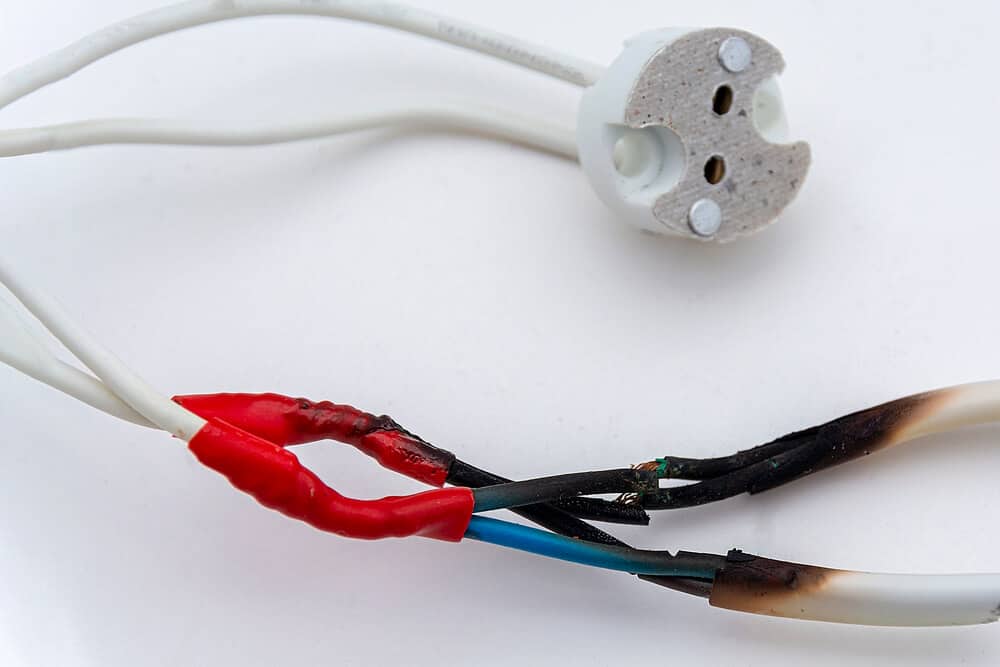
Following are some of the most dangerous home electrical hazards that may threaten your home;
1. Bad or Defective Wiring
High-quality wiring that complies with safety standards is vital for safety. Most cases of fire, arc faults, power surges, etc., usually involve poor wiring. That’s why it is crucial you ask a professional Milestone Home Service Co for assistance when installing an electrical system in your house.
Aged, damaged, cracked, corroded, or worn electrical wires drastically increase the risk of a mishap. Regular checks by a qualified electrician ensure your safety. Upgrade and replace the old or faulty wires if you must. In addition, businesses and property owners can benefit from regular test and tag inspections, which help identify damaged electrical appliances, extension cords, and equipment before they become a safety risk or lead to electrical faults.
Some common hazards are;
- Loose connections
- Worn appliances or cords
- Damaged wire insulation
- Cracks in the wire due to heat, corrosion, age, or mishandling
- Overheated cords
- Broken electrical appliance
- Wire chewed by rodents, etc.
2. Electrical Connections Near Sources of Water
Electricity outlets installed near the bathroom, kitchen, shower, tub, or sink are a significant hazard. Water can be a great conductor of electricity. In fact, most cases of electrocution involve water or wet surfaces in some manner.
That’s why you must endeavour to install the outlets in the kitchen or bathroom a fair distance from the water source. Make sure to avoid using a hairdryer, curler, heater, etc., near the bath or a pool. Never walk without shoes on a wet floor while using an electrical appliance.
3. Mishandling Electrical Fires
Never pour water on an electrical fire. Water further fuels the fire caused by an electrical hazard and may even cause severe electrocution in addition to burns.
Keep a fire extinguisher in your home at all times and use it to quench the fire. If you do not have one, turn off the main electrical connection (if possible), evacuate your house immediately and call 999.
4. Curious Young Children
Young children, especially toddlers, are very inquisitive. They tend to explore their surroundings, heedless of danger. It is better to supervise children of this age-group all the time. However, you cannot always keep an eye on them. Eventually, their energetic little hands and legs may take them away from your watch and directly into danger. They may stick a finger in a socket just to see what would happen. They may touch the ‘pretty lights’ in an appliance that is installed close to the floor, with sticky and wet fingers. This is a disaster just in-the-waiting.
That’s why it is imperative that you take precautions to protect young children from potential electrical hazards. Replace any outlets installed at low hight with extra-safe powerpoints. Child-proof powerpoints will prevent sharp objects or fingers from going into the sockets, preventing a serious injury or electrocution.
5. Mishandling Extension Cords
Haphazardly using the extension cords is an accident waiting to happen. You may trip over it or get electrocuted by coming in contact with a frayed part of the cord.
Install the extension cords in places with low chances of an accident. Use plastic socket cover on unused sockets. Do not use extension cords as a permanent replacement for additional power sockets. Avoid using too many appliances on a single cord at once. Use heavy-duty cords for fridge, iron, water pump, and the like.