
Selecting the right tile for your home project can be challenging, especially when balancing aesthetics with durability. Two popular choices are marble and ceramic tiles, each with distinct characteristics. Understanding their durability is crucial for making an informed decision that aligns with your design intent, whether you’re planning a kitchen renovation or updating a bathroom. This article will explore the durability features of marble and ceramic tiles, compare their maintenance needs, and assess their cost-effectiveness over time.
Marble Tile and Its Durability Features
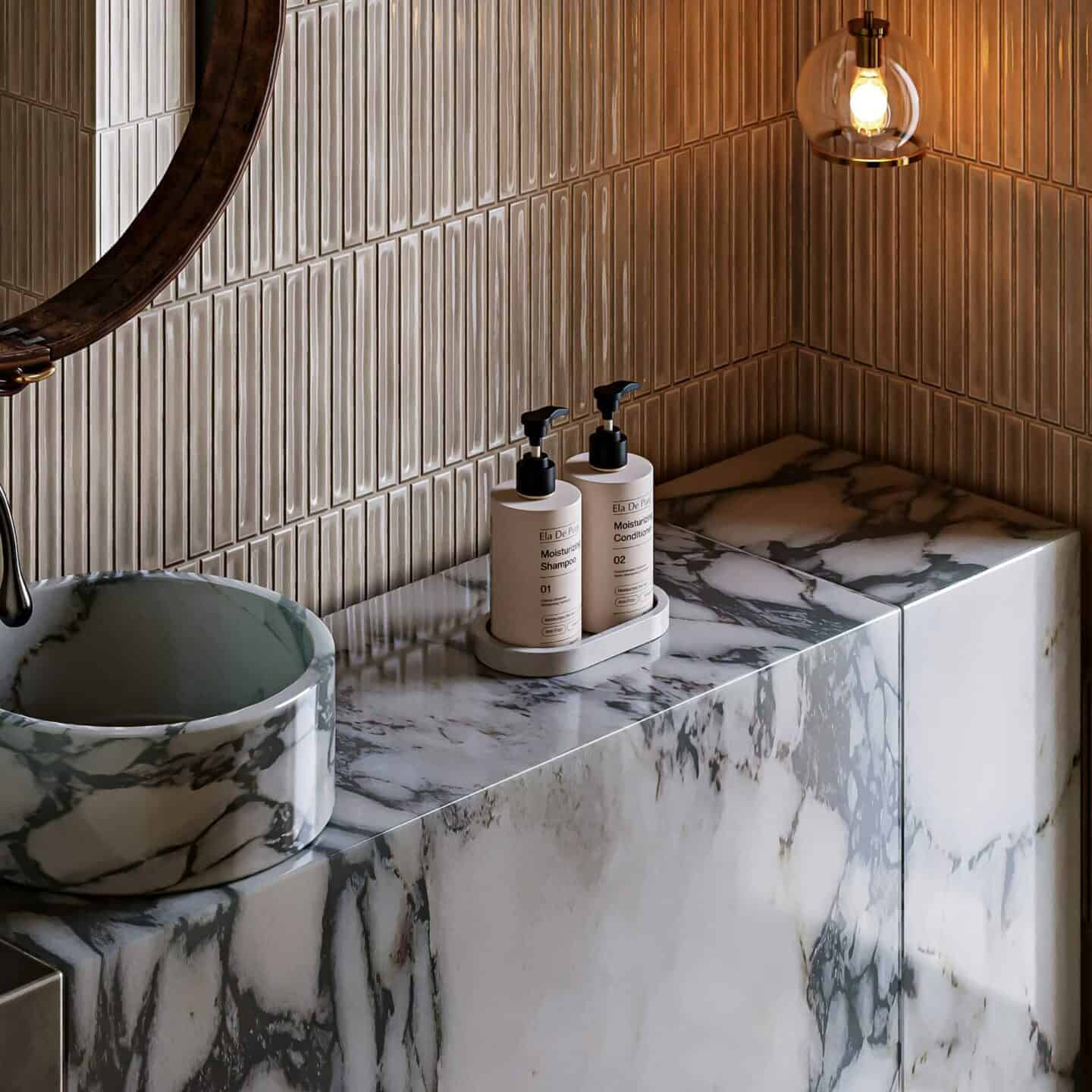
Marble Tile is renowned for its elegant appearance and unique veining, often making it the focal point of any room. Derived from natural stone, marble is inherently durable and can withstand significant wear and tear. However, its porous nature requires sealing to prevent stains and moisture penetration. When used in areas with heavy foot traffic, such as entryways or kitchens, Marble Tile can maintain its beauty with proper care. A well-planned installation, considering factors like hardscape and space planning, enhances its longevity.
In terms of durability, marble’s resistance to extreme temperatures makes it a suitable choice for both indoor and outdoor applications. Recent studies highlight that with appropriate sealing and maintenance, Marble Tiles can last for decades. For those interested in incorporating marble into their designs, exploring options like this Marble Tile can provide insights into the variety of styles available.
Ceramic Tile Resilience and Performance
Ceramic tiles, crafted from clay and fired at high temperatures, offer excellent durability and resilience. They are less porous than marble, making them resistant to stains and water damage without the need for frequent sealing. This property makes ceramic tiles ideal for bathrooms, kitchens, and other moisture-prone areas. Additionally, ceramic tiles are available in a wide range of colors and patterns, allowing for creative expression in line with color theory principles.
The strength of ceramic tiles also lies in their resistance to everyday wear. Their ability to withstand scratches and dents makes them a practical choice for high-traffic areas. Furthermore, ceramic tiles are compatible with underfloor heating systems, enhancing comfort and energy efficiency in modern homes. Utilizing tools like CAD software can help homeowners visualize the integration of ceramic tiles within their overall design scheme.
Comparing Maintenance Needs of Marble and Ceramic
When it comes to maintenance, marble and ceramic tiles require different approaches. Marble demands regular sealing to protect its surface from stains and etching. Homeowners should adhere to a finish schedule to ensure optimal protection. Cleaning marble with pH-neutral cleaners is recommended to avoid damaging the stone’s surface. On the other hand, ceramic tiles require minimal maintenance, with regular sweeping and mopping sufficient to keep them looking pristine.
In terms of repair, ceramic tiles are more straightforward to replace if damaged, contributing to their appeal in both residential and commercial settings. Marble, due to its natural veining, can pose a challenge in matching replacement tiles, which is something to consider during the initial design phase. Incorporating BIM software during the planning stages can help foresee potential issues and streamline the renovation process.
Cost-Effectiveness of Marble vs Ceramic in the Long Run
Cost is a significant factor when choosing between marble and ceramic tiles. Initially, Marble Tiles tend to be more expensive due to their luxurious nature and installation requirements. However, they can add substantial value to a property, especially when used strategically in designs that highlight their natural beauty. The investment in marble can be justified by its longevity and the aesthetic enhancement it provides.
Ceramic tiles, while generally more affordable upfront, offer cost savings in maintenance and repairs. Their durability ensures minimal long-term expenses, making them a cost-effective choice for budget-conscious homeowners. Architectural Digest suggests that ceramic tiles are a versatile option suitable for various environments, balancing cost and durability effectively.
Conclusion
Both marble and ceramic tiles have their strengths and weaknesses in terms of durability, maintenance, and cost-effectiveness. Marble Tiles offer unmatched elegance and durability when properly maintained, adding value and a luxurious feel to any space. Conversely, ceramic tiles provide resilience and ease of maintenance, making them a practical and budget-friendly option. When considering your next home improvement project, evaluate these factors to select the material that best fits your needs and design goals.