
To decide where to spend home improvement funds, multiple areas seem to need attention. Roof leaks, outdated kitchens, drafty windows, and cracked tiles all compete for room in your budget.
Making smart choices needs a clear approach that balances urgent repairs with long-term comfort gains. Prioritizing projects based on safety, utility, and financial return keeps property investments on the right track.
Look for Clear Signs of Wear and Safety Hazards
Physical damage should top any home project list. Water stains on ceilings, loose wiring, mold growth, or foundation cracks threaten the building structure itself. Fixing these problems quickly prevents minor issues from turning into massive repair bills.
Safety issues always take precedence over cosmetic changes. A leaking pipe hidden inside a wall ruins timber framing and creates health risks. Addressing structural defects protects occupants and secures the building foundation for future years.
About 52% of homeowners surveyed expect to remodel their properties, with 44% planning to decorate. Dividing your projects into functional repairs and decorative updates provides clarity. Foundation work and roof repairs must occur before repainting walls or installing new flooring.
Track Energy Bills and Thermal Comfort Problems
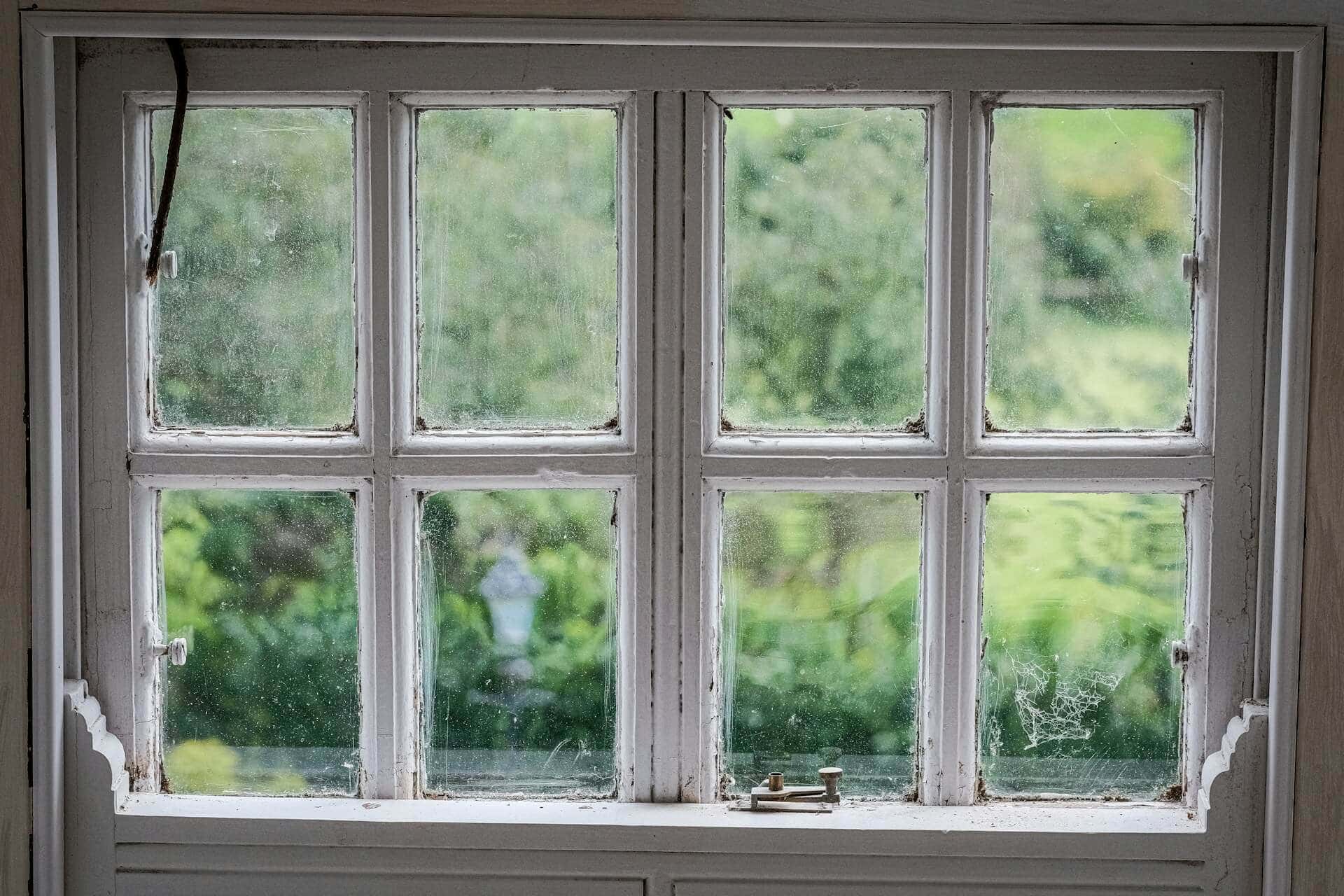
Drafty spaces directly impact monthly household expenditures. Old single-pane windows, thin insulation, and aging exterior doors let heated or cooled air leak outside continuously. Skyrocketing power bills signal that your thermal envelope needs attention.
Drafty frames let conditioned air escape during hot summer days or freezing winters. Homeowners who want to upgrade their window glass to improve insulation can go now on the website to check replacement options that reduce heating costs. Sealed glass units keep room temperatures steady throughout every season of the year. Modern frames cut down outside traffic noise too.
Evaluate Daily Functionality and Space Constraints
A living space should match your family routines. Cramped kitchens, inadequate bathroom storage, or poor lighting create daily friction that lowers quality of life. Evaluating how each room functions determines where layout updates yield maximum benefit.
About 63% of renovating property owners tackle core system improvements like plumbing, heating, and electrical lines. Upgrading hidden utility systems behind walls guarantees that new fixtures perform smoothly. Upgraded wiring supports high-powered modern appliances.
Managing Daily Traffic Flow
High-traffic areas require durable surfaces and open pathways. When evaluating room functionality, observe where family members gather and where issues occur regularly. Key signs that a room layout needs restructuring include:
- Narrow walkways that block movement near busy doorways
- Insufficient electrical outlets for modern household devices
- Limited storage options that cause counter clutter to accumulate
- Outdated plumbing fixtures that leak or lack water pressure
Fixing flow obstacles makes small homes feel spacious and organized. Simple design adjustments transform frustrating daily routines into smooth activities.
Balance Cosmetic Desires Against Core Structural Needs
Visual upgrades offer instant gratification, but cosmetic fixes over structural flaws waste capital. Painting over damp drywall or laying new laminate flooring on an unleveled subfloor leads to rapid material failure.
A good 30 percent of home improvers invest in energy-saving climate systems to lower monthly utility costs. Investing in utility performance delivers lasting comfort and financial returns. Modern HVAC units keep indoor environments balanced and trim energy waste.
Create a list that splits desires into structural needs versus visual wants. Work through structural items first to protect your home structure. Paint colors, tile backsplashes, and new light fixtures should come last.
Calculate Long-Term Value and Return on Investment
Not all home upgrades deliver equal financial returns upon resale. Minor kitchen updates, garage door replacements, and exterior window improvements rank high for return on investment. Major luxury additions recover a smaller percentage of their original cost.
Consider how long you plan to reside in the property before deciding on expensive projects. Staying for 10 or 15 years means personal comfort outweighs resale value. Moving within three years calls for cost-effective projects that buyers appreciate immediately. Smart spending involves comparing initial costs against long-term operational savings:
- High-efficiency heating systems lower monthly winter gas bills
- Energy-efficient windows lower heat loss and reduce cooling demands
- Durable metal or tile roofs reduce maintenance costs over decades
- Quality insulation prevents mold growth and structural moisture damage
Build a Timeline Based on Urgency and Budget
Attempting every home upgrade at once leads to decision fatigue and budget overruns. Organizing projects into phased stages keeps your renovation manageable and financially sustainable.
Tackle high-urgency safety hazards and structural leaks immediately. Follow up with energy efficiency updates that deliver monthly cost reductions. Finish with aesthetic enhancements once core systems operate reliably.
Creating a realistic timeline prevents contractor overlap and reduces household disruption. Phased work schedules allow homeowners to save cash between construction stages. A structured timetable transforms large renovation goals into achievable steps.
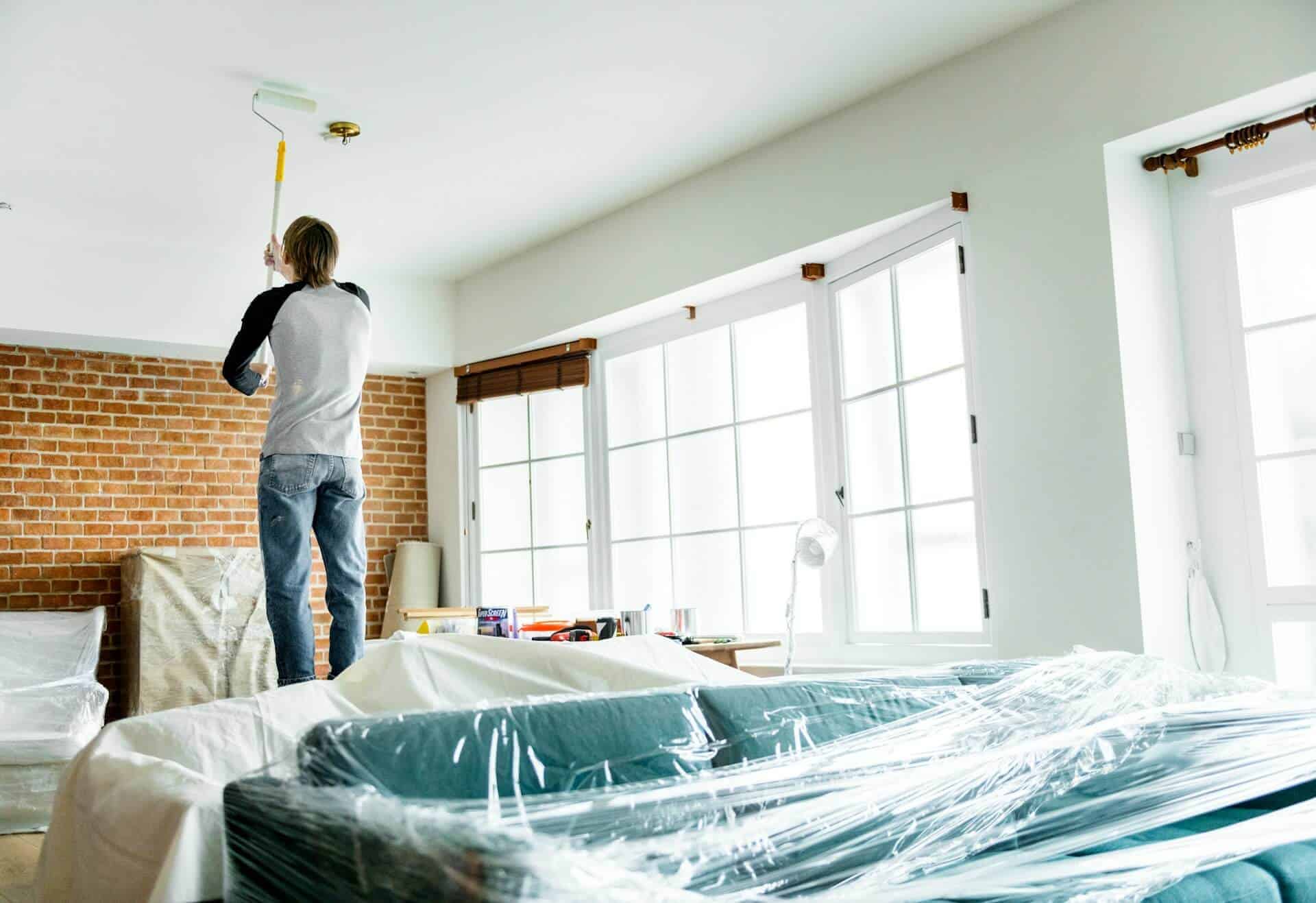
Upgrading a residence means balancing practical needs with personal design goals. Focusing on structural integrity, energy efficiency, and functional layout guarantees that every dollar spent adds genuine value.
Taking time to assess priorities prevents impulse choices and protects your long-term investment. With a clear plan, you can create a safe, efficient, and comfortable home that serves your family.