
Losing a lot of weight is something to be proud of. So is getting through pregnancy. Still, plenty of people hit their goal and feel let down by what they see in the mirror. The number on the scale moved. The stomach did not. If you are in Austin and you have been doing planks for months while a fold of loose skin ignores all of it, you are not imagining things and you are not doing anything wrong.
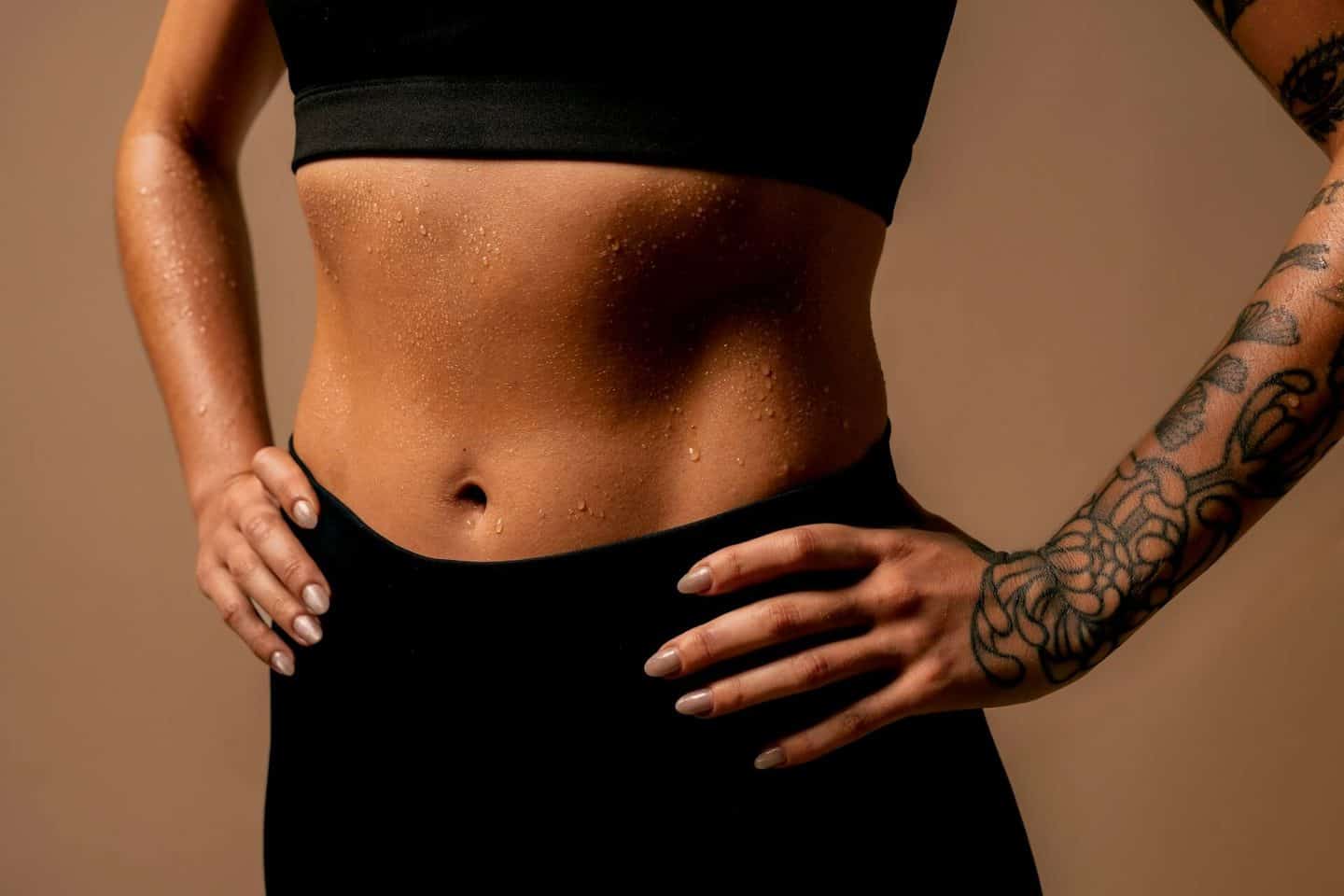
Why Loose Skin Sticks Around After Weight Loss
Skin stretches to keep up with your body, and when it holds that stretch for years, the elastic fibers inside it wear out. Think of a hair tie you have used every day for two years. Let it go and it never snaps back.
Age, genetics, and how quickly the weight came off all play a role. Fast losses tend to leave more slack than slow ones. None of this is a matter of willpower. Once those fibers stretch past a certain point, no amount of cardio or firming cream shrinks them back. There is simply more skin than your new frame needs.
The Muscle Problem Nobody Talks About
Loose skin gets all the attention, but it is often only half the story. Running down the front of your abdomen are two bands of muscle. Pregnancy and significant weight gain can push those bands apart, and they do not always drift back together. Doctors call that separation diastasis recti.
When the muscle wall is stretched wide, your core loses its natural corset. The belly pushes forward even when you are lean, and crunches do not fix it, because they strengthen muscle without pulling the two sides back to the middle. It is why someone can be at a healthy weight, train hard, and still have a stomach that rounds out.
What a Tummy Tuck Actually Does
A tummy tuck, or abdominoplasty, works on both problems at once. The surgeon stitches the separated muscles back together down the center, which rebuilds the support wall your core lost.
The repair is what brings back real definition. Once the muscle wall is tight again, the waist pulls in and the stomach lies flat instead of pushing forward. Surgeons then trim the loose skin, reposition the belly button, and close everything low so the scar sits under the bikini line. Many people who look into a tummy tuck in Austin are surprised by how much of the result comes from that internal work rather than the skin removal alone.
Austin Plastic & Reconstructive Surgery is one of the practices where patients can talk through the different versions of the procedure, because not everyone needs the same thing. A mini tummy tuck focuses below the belly button. A full tummy tuck addresses the whole abdomen. Someone who has lost a hundred pounds or more may need an extended approach that reaches around the flanks.
It Is Not a Weight Loss Procedure
A tummy tuck removes skin and a little fat, but it will not shift the scale much and it is not a substitute for losing weight. It is a contouring operation that finishes the job diet and exercise cannot.
You are also in good company. According to the American Society of Plastic Surgeons, more than 170,000 tummy tucks were performed in the United States in 2024, which kept it in the top three cosmetic surgical procedures for the year. A big part of that demand comes from people finishing a weight loss journey and wanting their shape to match the effort they put in.
Are You a Good Candidate?
The best results tend to go to people whose weight has been steady for at least six months to a year. Stability matters because further weight loss can loosen skin again, and weight gain can undo the muscle repair. Non-smokers heal better. Being in decent general health going into surgery makes recovery smoother.
A consultation with a board-certified plastic surgeon is where you find out whether the procedure suits your anatomy and your goals, or whether something less involved would serve you better.
What Recovery Really Looks Like
Expect to take it slow. Most people need one to two weeks off work, longer for physical jobs. You will walk slightly bent over at first, which feels strange but is normal while the muscle repair settles. Swelling is the part that surprises people, because it comes and goes for weeks and can make you think your results are disappearing. They are not.
A compression garment becomes your daily uniform for a while, and hard workouts stay off the table for about six weeks. Around the three month mark the shape starts to look like itself. The final result usually arrives between six months and a year, once swelling settles and the scar fades.
Keeping the Results
The skin that gets removed is gone for good, and the muscle repair is built to last. What can change is everything around it. Big weight swings, or a pregnancy after surgery, can stretch things out again. Steady habits and regular movement protect the investment, and most patients find that easier once they can see the shape they worked for.
Final Thoughts
A tummy tuck is not a shortcut and it is not a personality change. It is a repair. After major weight changes, the abdomen often carries evidence of where your body used to be, and that evidence does not respond to effort the way fat does. Surgery closes the gap between the work you have already done and the shape you expected to see.
If loose skin or a stomach that will not flatten has been bothering you, the useful next step is a conversation rather than another six months at the gym. A qualified surgeon can look at your skin and muscle wall, tell you plainly what is going on, and help you decide. You have already done the hard part.