
Arizona’s construction industry operates in one of the most demanding environments in the country, where extreme heat, shifting desert terrain, and complex multi-phase projects push both workers and contractors to their limits. Managing insurance coverage for high-risk construction projects isn’t optional; it’s the foundation of every legally compliant, financially protected job site. Contractors who understand how to identify project risk, select the right policies, and stay current with state regulations rarely get caught flat-footed when a claim hits.
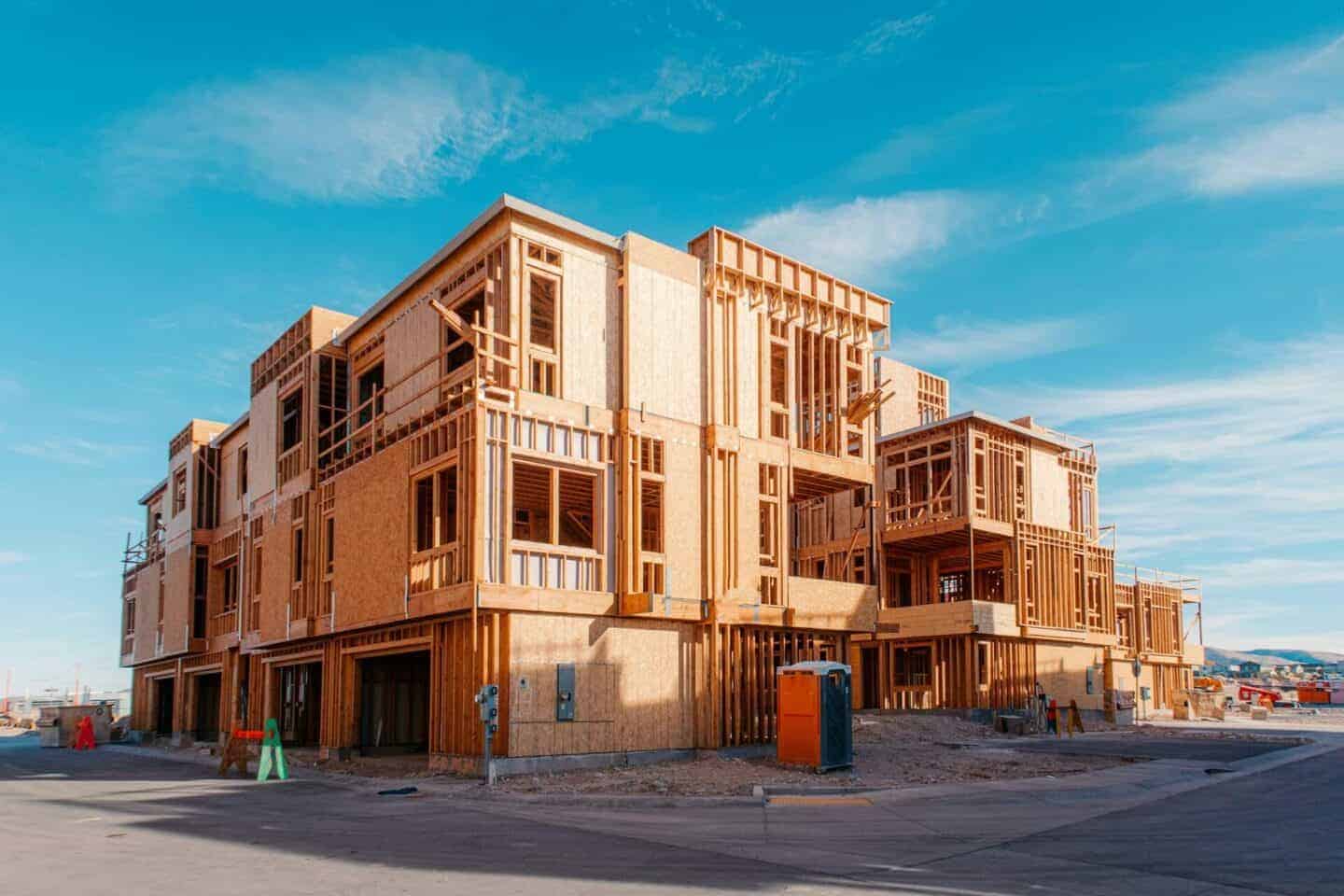
Understanding High-Risk Construction Project Classifications in Arizona
Arizona contractor insurance coverage is central to how contractors assess and respond to project-level risk. The first step in that process is knowing which projects the state and insurers classify as high risk. Not every job carries the same liability exposure, and misclassifying a project upward or downward can lead to either premium waste or dangerous coverage gaps.
Arizona follows industry-standard risk classifications based on factors such as project type, site conditions, crew size, height requirements, and proximity to occupied structures. Commercial builds, infrastructure work, demolition, excavation, and multi-story residential construction all tend to land in higher risk tiers. The scale of potential loss if something goes wrong matters. Insurers use these classifications to set premiums and coverage terms, so contractors who understand the classification framework can make smarter decisions before signing a contract rather than scrambling to adjust coverage mid-project. Getting this step right saves money and reduces legal exposure.
What Makes a Construction Project High-Risk Under Arizona Standards
Several factors push a construction project into high-risk territory under Arizona standards. Contractors need to identify them early in the bidding process. The Arizona Department of Labor and industry underwriters both consider the following as major risk triggers:
- Work performed at heights above 6 feet, including roofing, steel erection, and elevated concrete pours
- Excavation or trenching deeper than 5 feet
- Demolition of structures, especially those built before 1980 that may contain asbestos or lead
- Projects near live electrical systems, gas lines, or active roadways
- Sites with unstable soil, flood-zone designation, or prior contamination
- Projects with crews exceeding 25 workers or those using subcontractors across multiple trades
Beyond these physical conditions, Arizona’s intense summer temperatures add another layer of risk that many out-of-state insurers underweight. Heat-related illness on a Phoenix-area job site can trigger OSHA violations, workers’ comp claims, and liability suits simultaneously. The trick is that contractors who document heat-mitigation protocols and include them in their risk management submissions often see better coverage terms and lower premiums; underwriters treat proactive documentation as a signal of operational discipline.
Arizona Contractor Insurance Coverage Requirements for High-Risk Work
Arizona law sets minimum insurance thresholds for licensed contractors. But high-risk projects almost always require coverage well above those minimums. The Registrar of Contractors (ROC) requires general liability insurance for all licensed contractors, with minimum limits that vary by license class. For high-risk work, project owners and general contractors typically demand limits of $1 million to $2 million per occurrence and $2 million to $5 million in aggregate, especially on commercial contracts.
Workers’ compensation is mandatory for any contractor with employees in Arizona; there are no exceptions for sole proprietors who hire subcontractors, a point that frequently surprises smaller operators. Specialty licenses such as those for electrical, mechanical, and plumbing work carry their own bonding and insurance requirements stacked on top of the ROC baseline. Contractors who fail to meet project-specific insurance thresholds don’t just risk losing the contract; they also expose themselves to personal liability if a loss occurs and coverage falls short. Review these requirements before submitting a bid. It’s non-negotiable.
Selecting and Structuring Insurance Policies for Maximum Protection
Choosing the right mix of policies for a high-risk project takes more thought than simply calling an agent and accepting whatever package they quote first. Your coverage structure matters as much as the types of coverage you carry, and Arizona’s specific project conditions create needs that generic contractor packages don’t always address cleanly. Contractors who take time to map their coverage to the actual risks on a given project typically end up with fewer gaps, lower out-of-pocket costs after a claim, and stronger relationships with project owners who see well-structured insurance as a sign of professional maturity.
Important Coverage Types Arizona Contractors Need for High-Risk Projects
High-risk construction in Arizona demands a layered insurance approach. Relying on a single general liability policy leaves serious gaps. Those gaps can become financially catastrophic. The main coverage types you should carry include:
- General Liability Insurance: Covers third-party bodily injury and property damage. For high-risk work, limits should start at $1 million per occurrence.
- Workers’ Compensation: Protects employees injured on the job and is legally required in Arizona for any contractor with at least one employee.
- Builder’s Risk Insurance: Covers the structure under construction against fire, theft, vandalism, and weather damage, especially relevant given Arizona’s monsoon season and wildfire risk.
- Commercial Auto Insurance: Required for any vehicle used in business operations, including trucks hauling equipment to job sites.
- Umbrella or Excess Liability: Extends the limits of your base policies. On high-risk projects, umbrella coverage of $1 million to $5 million above underlying limits is standard practice.
- Professional Liability: Relevant for design-build contractors or those who provide project specifications, as errors in design can produce massive downstream losses.
Each of these policies plays a specific role in your overall protection scheme; gaps between them are where claims get disputed or denied. A good broker will map each coverage type to the specific risks on your project schedule rather than selling a bundled package that may not align with your actual exposure.
Managing Coverage Limits and Deductibles on High-Risk Construction Contracts
Coverage limits and deductibles directly affect your financial exposure on every high-risk project. Many contractors set them once during initial policy setup and never revisit them. That approach carries real risk. As project values increase, a $1 million per-occurrence limit that felt adequate on a $500,000 remodel becomes dangerously thin on a $4 million commercial build.
In Arizona, project owners and lenders often specify minimum coverage limits in the contract itself. You need to confirm that your current policy matches those requirements before work starts, not after a dispute arises. Deductibles also deserve careful thought on high-risk work. A higher deductible reduces your annual premium, but on a project with elevated frequency of smaller incidents (equipment damage, minor injuries, material losses), a high deductible can erode cash flow faster than the premium savings justify. The right balance depends on your company’s cash reserves, the nature of the project, and your historical claims frequency. Talk with your broker at the start of each major project rather than treating limits and deductibles as static figures.
Compliance and Risk Management Strategies for Arizona Construction Insurance
Sound risk management doesn’t stop once your policies are in place. The contractors who avoid expensive claim disputes and license complications treat insurance compliance as an active, ongoing discipline rather than a one-time paperwork exercise. Arizona’s regulatory environment is specific enough that contractors who operate across state lines sometimes underestimate the local requirements and create gaps that only surface after a loss. Building compliance checkpoints into your project workflow, from pre-bid through project closeout, protects your license, your finances, and your reputation with project owners who review your certificates of insurance carefully.
Staying Current with Arizona State Regulations and Insurance Requirements
Arizona’s Registrar of Contractors updates its licensing and insurance requirements periodically. Contractors who let their compliance knowledge go stale take on unnecessary regulatory risk. The ROC can suspend or revoke a contractor’s license for lapses in required coverage, and reinstatement is neither fast nor cheap.
Beyond the ROC, OSHA’s Arizona-plan equivalent, the Arizona Division of Occupational Safety and Health (ADOSH), has authority to issue citations that affect both workers’ comp costs and general liability premiums after an inspection. Staying current means doing more than renewing policies on the same terms each year. Consider these steps:
- Review ROC requirements annually for any changes to minimum limits or bond amounts
- Confirm that subcontractor certificates of insurance are current and adequate before they set foot on your site
- Update your ADOSH safety documentation to reflect current crew sizes and project types
- Notify your insurer promptly if your scope of work changes mid-project, since undisclosed scope changes are a common reason claims get disputed
- Keep copies of all certificates of insurance, signed contracts, and safety logs organized by project for at least five years
The cost of staying current is modest. The cost of a license suspension or an uncovered claim? That’s something you want to avoid.
Conclusion
Managing insurance coverage for high-risk construction projects in Arizona takes active effort at every stage of a project, from classification through closeout. Contractors who understand which projects trigger elevated risk, carry the right mix of coverage types, set limits that match contract requirements, and stay current with Arizona state regulations and ADOSH standards put themselves in the strongest position to protect their license, their crews, and their business finances. When insurance is managed well, a claim becomes a manageable setback rather than a business-ending event. Treat insurance as a strategic business tool; review it regularly and build compliance checkpoints into your standard project workflow.