
Older buildings have a lot going for them – character, craftsmanship, sometimes even a prime location. What they don’t always have is electrical infrastructure that’s up to the demands of modern operations.
If you’re managing, renovating, or retrofitting a building that’s several decades old, the wiring inside those walls deserves serious attention. Replacing cables isn’t just a maintenance task – it’s a decision with real consequences for safety, compliance, and long-term performance. Here are five things worth thinking through before the work begins.
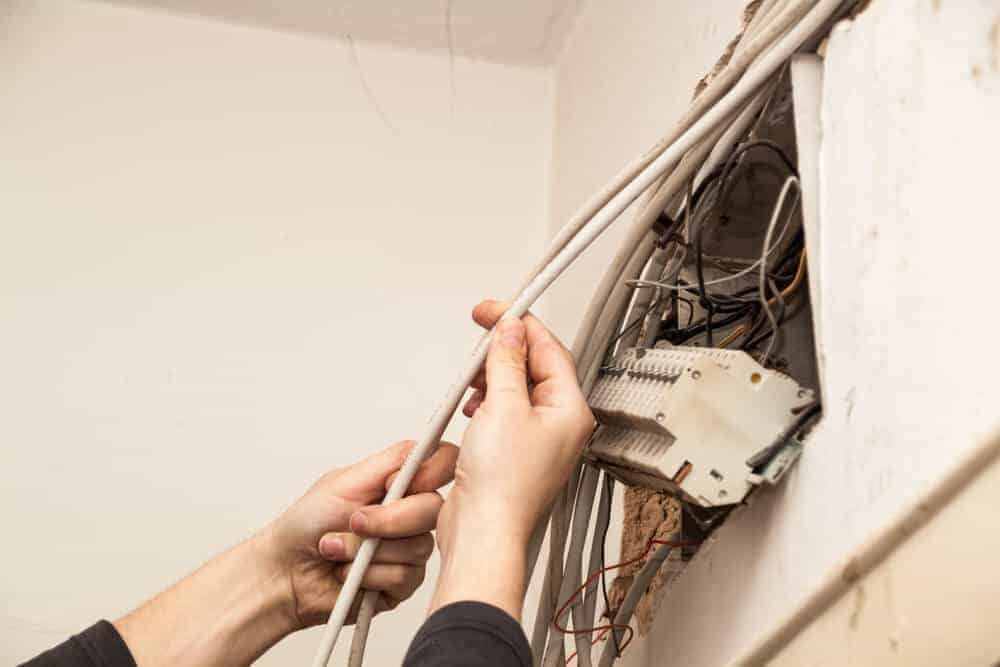
1. Understand What You’re Actually Working With
Before specifying any new cable, you need a clear picture of what’s already installed. Older buildings can contain a surprising mix of materials — rubber-insulated cloth-braided wire from the mid-twentieth century, aluminum conductors installed during the copper shortage of the 1970s, or early plastic-insulated wiring that has become brittle with age.
Each of these presents different challenges:
- Aluminum wiring requires compatible connectors and special handling to prevent connection failures
- Degraded insulation increases the risk of arcing and ground faults
- Undersized conductors may have met the code of their era but fall well short of today’s load requirements
A proper electrical audit before any replacement work begins isn’t optional – it’s the foundation everything else builds on.
2. Factor In Fire Risk From the Start
This point deserves more weight than it typically gets. According to the Electrical Safety Foundation International (ESFI), citing NFPA data, arc faults caused by worn and aging wiring start more than 35,000 fires in the US each year – resulting in over $1.4 billion in property damage and hundreds of deaths. A significant proportion of those incidents involve buildings where aging wiring was never properly updated.
When specifying replacement cable, the quality of insulation and jacket materials directly affects arc resistance and heat tolerance. This isn’t an area where shaving costs makes sense.
3. Match the Cable to the Environment
Choosing replacement cable is about far more than matching voltage and ampacity ratings. The actual environment inside the building plays a major role in long-term performance, especially in older properties where moisture, vibration, heat, or mechanical stress may already be affecting the infrastructure. That’s why contractors working in tougher conditions often prioritize heavy-duty, environment-matched power cables designed specifically for industrial or high-demand applications.
Companies like Duraline operate within that industrial electrical sector, with a background tied historically to shipbuilding, naval supply systems, and other heavy-duty environments where cable reliability and durability are critical to long-term performance.
Questions around exposure to chemicals, movement, heat, or physical wear are usually worth addressing early because the wrong specification can lead to premature failure and expensive rework later on.
4. Plan for Current Load – and Future Load
One of the most common mistakes in older building rewiring is sizing the new installation to meet today’s needs without leaving headroom for tomorrow. Buildings that are being renovated are usually doing so because their use is changing – more equipment, more circuits, more power draw.
Undersizing cable gauge is a decision that ages badly. Consider:
- The peak demand of all equipment likely to be connected to each circuit
- Any planned additions – EV charging points, upgraded HVAC, data infrastructure
- Building codes in your jurisdiction, which may specify minimum capacity for commercial occupancy
Running marginally-sized cable through conduit that’s already in the walls is significantly cheaper than tearing everything out again in five years.
5. Don’t Overlook Code Compliance and Documentation
Older buildings often exist in a grey zone – their original wiring met the code at the time of installation but hasn’t kept pace with subsequent editions of the National Electrical Code (NEC). When you replace wiring, even partially, that work typically needs to meet current code requirements, not the standard that was in place when the building was first constructed.
This has practical implications:
- Conduit fill, conductor sizing, and grounding requirements may all have changed
- Certain occupancy types now require arc-fault circuit interrupter (AFCI) protection
- Documentation and inspection records matter for insurance purposes and future sales or tenancy
Working with a licensed electrician who knows the current NEC edition adopted in your jurisdiction is essential. The last thing you want is to complete a full rewiring project only to fail an inspection because of a code detail that wasn’t caught in planning.
Conclusion
Rewiring an older building isn’t glamorous work, but it’s genuinely important. Done well, it extends the life of the building, protects the people inside it, and eliminates a whole category of operational risk. Done poorly – or on the cheap — it creates problems that can take years to surface and far more to fix.
Take the time to specify properly, source quality materials, and work with professionals who understand both the technical requirements and the quirks of older construction. The investment is worth it every time.