
You’ve just had a baby. You’re sleep-deprived, adjusting to a completely new routine, and then you notice it: clumps of hair coming out in the shower, lining your hairbrush, scattered across your pillow. It can be alarming, especially when your batteries are already running on empty.
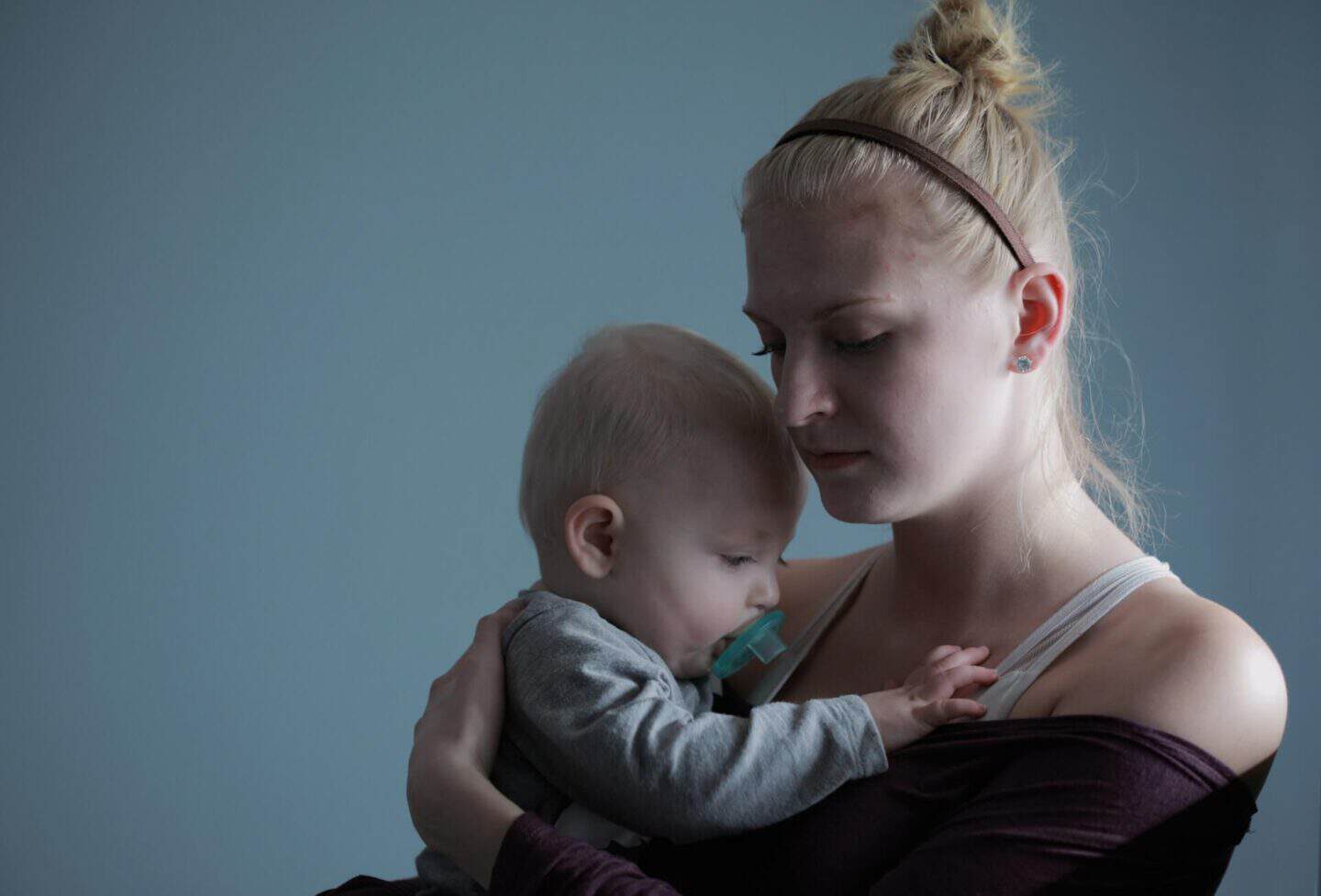
The good news is that for most new mothers, postpartum hair loss is temporary. There’s a clear biological reason it happens, a fairly predictable timeline for when it stops, and only in rare cases does it signal something more serious. Here’s what to know.
What Actually Causes the Shedding
During pregnancy, elevated oestrogen levels keep more hair in the anagen (growth) phase for longer than usual. That’s why many women notice their hair looking thicker and fuller while pregnant. But after birth, oestrogen levels drop sharply, and all those hairs that stayed put during pregnancy begin to shed at once.
This is called telogen effluvium, a temporary disruption to the normal hair cycle where a large number of follicles simultaneously shift into the resting (telogen) phase before falling out. It’s not hair damage. The follicles themselves are fine. The body is simply catching up.
In Rare Cases: When Postpartum Loss Doesn’t Fully Reverse
For a small number of women, postpartum shedding can act as a trigger for longer-term thinning, particularly in those who have a genetic predisposition to female pattern hair loss (androgenetic alopecia). In these cases, the postpartum episode essentially unmasks a tendency that was already there.
If this happens, options include topical minoxidil, which can help to slow further loss and support regrowth, and platelet-rich plasma (PRP) therapy. In more severe cases where thinning has been stable for a prolonged period, some women do look into hair transplant surgery.
If surgery is something you want to explore, finding the best UK hair transplant clinic for your situation is worth taking seriously, as a reputable surgeon will assess whether you’re even a suitable candidate before anything is committed to.
Surgery is very much a last resort in this context, and any reputable clinic will only consider it once hair loss has been stable for an extended period. But it’s worth knowing the option exists.
When Does It Start and How Long Does It Last?
Most women notice the shedding beginning around two to four months after giving birth. It can feel sudden and dramatic, but it typically peaks around the three to four month mark and then gradually slows.
For the majority of women, shedding returns to normal within six to twelve months postpartum. By your baby’s first birthday, most mothers find their hair has largely recovered, though it can take a little longer if you’re breastfeeding, dealing with disrupted sleep, or experiencing nutritional deficiencies.
What You Can Do in the Meantime
While you wait for the shedding to slow down, there are a few practical steps that can help.
- Switching to a gentle, sulphate-free shampoo will reduce unnecessary stress on hair that is already fragile.
- Avoiding tight hairstyles like high ponytails or buns can also make a difference, as the tension on weakened follicles can pull out hairs that might otherwise have stayed put.
- If your hair feels noticeably thinner, a volumising conditioner or a lightweight thickening spray can help it look and feel fuller without weighing it down.
These are small changes, but they can take some of the emotional sting out of a difficult phase.
What Can Make It Worse
A few factors can prolong or intensify postpartum hair loss:
- Low iron or ferritin levels, which are common after delivery, especially following significant blood loss
- Thyroid imbalances, which can develop postpartum and affect the hair cycle
- Inadequate protein or zinc intake, particularly in mothers who aren’t eating well due to exhaustion or stress
- Significant ongoing physical or emotional stress, which keeps the body in a disrupted hormonal state
If you’re concerned, it’s worth asking your GP to run a blood panel to rule out any of these contributing factors. Supplementing where there’s a genuine deficiency can make a real difference to how quickly your hair recovers.
Breastfeeding and the Recovery Timeline
One question that comes up regularly is whether breastfeeding delays hair recovery. The short answer is that it can, but not dramatically. Breastfeeding keeps certain hormones elevated for longer, which can extend the period before your hair cycle fully resets.Some women find that shedding continues at a low level until they stop breastfeeding, while others see their hair begin to recover well before weaning.
There is no reason to stop breastfeeding because of hair loss, and in most cases the delay is a matter of weeks rather than months. If you are breastfeeding and concerned about nutrient depletion, it is worth checking your iron and vitamin D levels, as both can drop further during this period.
When to See a Doctor
Most postpartum shedding resolves on its own without any treatment. However, you should speak to a GP or dermatologist if the loss continues past twelve months with no sign of slowing, if you notice patchy loss or thinning concentrated in specific areas, or if you’re experiencing other symptoms alongside the hair loss, such as fatigue, weight changes, or mood shifts.
Patchy loss in particular can indicate alopecia areata, an autoimmune condition that can be triggered by the hormonal upheaval of childbirth. This is different from telogen effluvium and may need targeted treatment.
The Bottom Line
Postpartum hair loss is common, normal, and in the vast majority of cases completely reversible. If you’re a few months out from giving birth and your bathroom floor is covered in hair, try not to panic. Keep an eye on your nutrition, get your iron levels checked if the loss seems heavy, and give your body time to rebalance.
If things haven’t improved by the twelve-month mark, or you have concerns before then, a GP or hair specialist will be able to give you a clearer picture of what’s going on.