
Ensuring that the electrical installation in your home or rental property is safe and up to current standards is not just a legal consideration but a practical necessity. Booking an EICR test in Newcastle with a qualified electrician gives you a thorough inspection of your electrical installation and a clear report on whether any remedial work is required.
What Does EICR Stand For
EICR stands for Electrical Installation Condition Report. It is a formal document produced by a qualified electrician following a thorough inspection and test of the electrical installation within a property. The report assesses the condition of the wiring, consumer unit, sockets, switches, and other fixed electrical components, and identifies any items that do not meet the current standard. Each item in the report is coded by severity, ranging from codes indicating immediate danger to those that simply note observations for future consideration.
What Does an EICR Inspection Involve
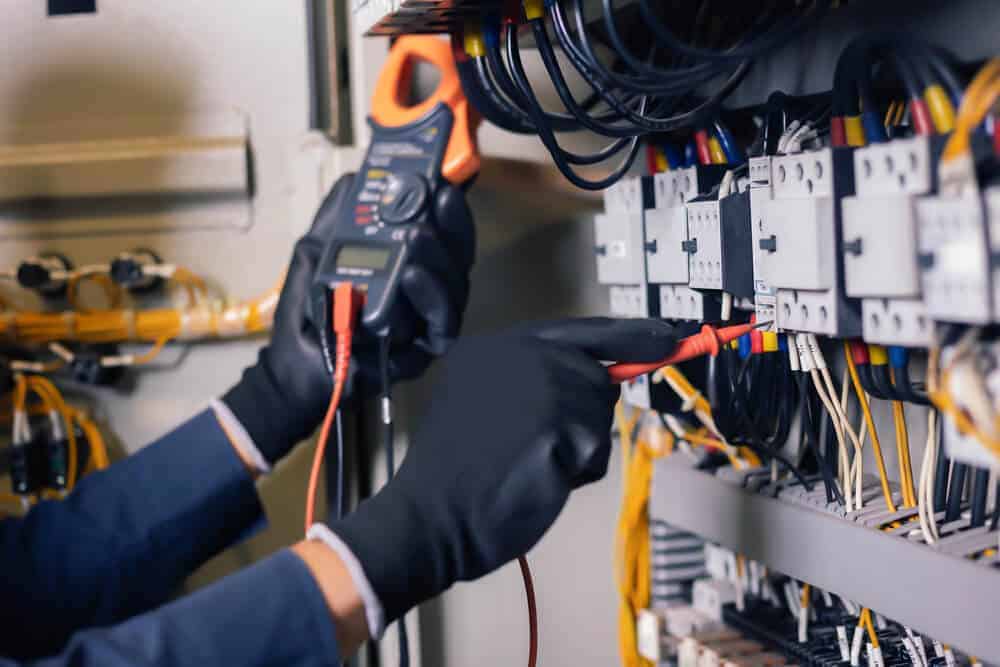
During an EICR inspection, the electrician will carry out a combination of visual checks and electrical tests on the fixed wiring and accessories throughout the property. This includes checking the consumer unit for correct protection, testing circuit continuity and insulation resistance, verifying that earthing and bonding are in place, and assessing whether the installation is in satisfactory condition for continued use. The length of the inspection depends on the size of the property and the age and condition of the installation. Still, a typical residential inspection takes between two and four hours.
EICR Requirements for Landlords in England
In England, it is a legal requirement for landlords to have an EICR carried out on all privately rented properties at least every five years or at the start of a new tenancy. A qualified person must carry out the report, and a copy must be provided to tenants within 28 days of the inspection. Landlords who fail to meet this requirement can face significant fines from local authorities. Ensuring that your rental property has a valid EICR is not only a legal obligation but also a demonstration of your commitment to your tenants’ safety and welfare.
How Often Should You Get an EICR
For owner-occupied properties, there is no legal requirement to have an EICR carried out at set intervals. Still, it is widely recommended by electrical safety bodies and the electrical industry. The general guidance suggests that homes should be inspected every ten years, or whenever a property changes hands. Older properties, particularly those with wiring installed before the 1970s, may need more frequent inspections due to the age and condition of the installation. A periodic inspection gives you peace of mind that your home is safe and that no hidden electrical faults are putting your family at risk.
What Happens If the EICR Reveals a Problem
If the EICR identifies items coded C1 (danger present) or C2 (potentially dangerous), remedial work should be carried out as soon as possible to make the installation safe. The electrician who carried out the inspection can usually provide a quote for the remedial work required, or you may choose to get quotes from other registered electricians. Once the remedial work is complete, a completion certificate should be issued to confirm that the defects have been rectified. It is important not to ignore C1 or C2 codes, as these represent genuine risks to the safety of the occupants and the property.
Choosing the Right Contractor for Your EICR in Newcastle
Selecting the right contractor for your EICR in Newcastle is important to ensure a thorough inspection and an accurate report. Look for an electrician who is registered with an approved scheme such as NICEIC, NAPIT, or Elecsa, as this guarantees that they have been independently assessed and are competent to carry out inspection and testing work. Ask for a clear quote before the inspection begins, and check that the price includes the full report and any required certificates. A reputable electrical contractor will conduct the inspection professionally and provide a clear, understandable report explaining any issues found.