
Construction is one of the largest industries in the United States. There is always a need for both residential and commercial construction professionals, and the industry includes a broad range of trades and disciplines. However, more complex construction projects are not just about the individual laborers doing the hands-on work. They also require people who can oversee the project site and ensure everything is going according to plan.
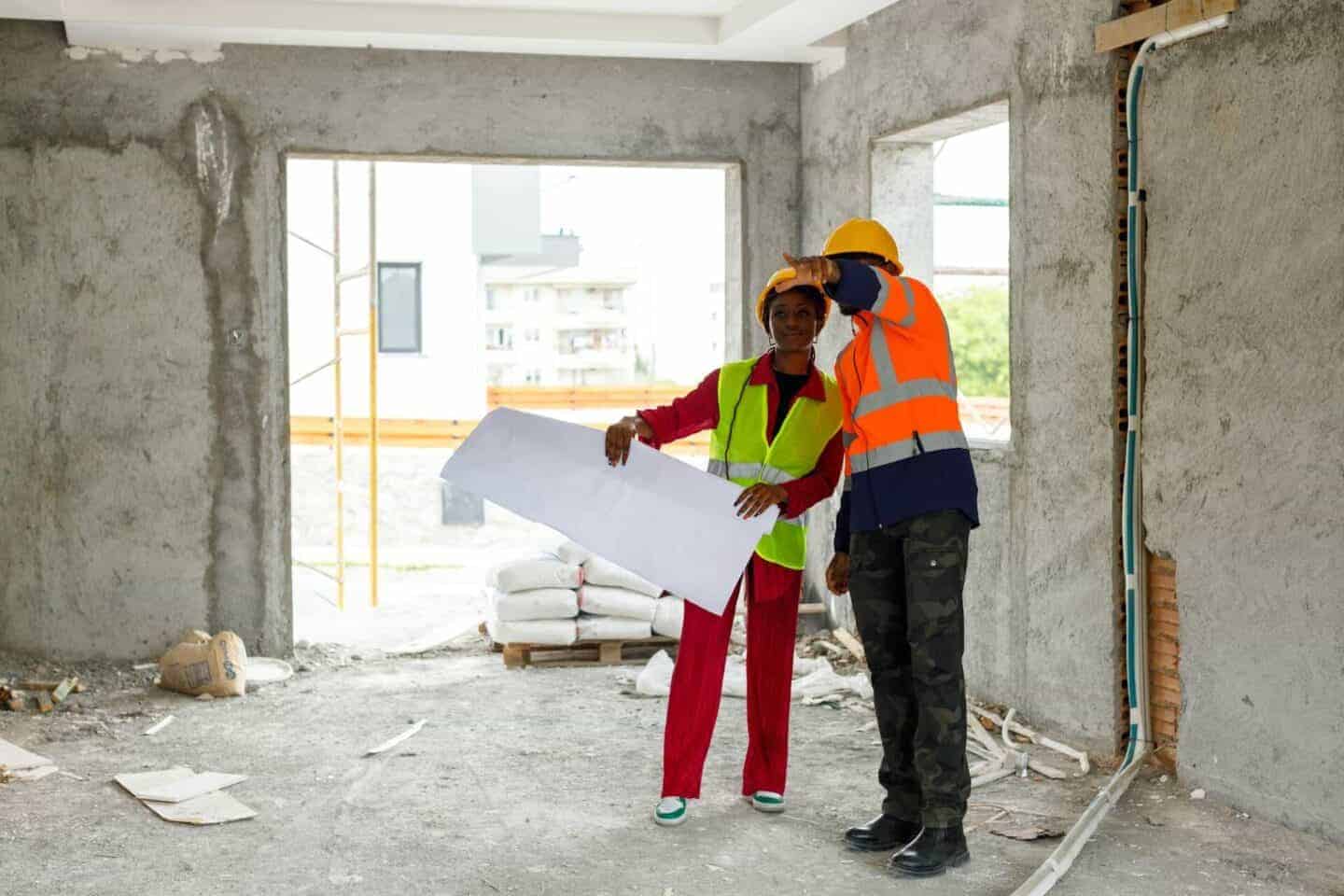
A construction supervisor plays a vital role in major construction projects. They act as a link between the workers and the construction company, ensuring everything runs smoothly. Without a skilled supervisor, a project site can quickly devolve into chaos. Let’s look at a few reasons why this might be the perfect career for your personality, as well as some tips for maximizing your skills in the role.
Bringing Order to Chaos
A complex construction project can be extremely chaotic. Even in residential settings, the number of people working on a site can create problems if everything isn’t carefully planned and scheduled. Workers will simply get in each other’s way or have to wait hours for one phase to be finished before the next can begin. If you are passionate about attention to detail and organization, you can bring order to chaos as a construction supervisor.
Your Skills Are Valued Everywhere
If you are a construction supervisor in the United States, your skill set will be valuable everywhere. Whether you live in New York, Florida, Ohio, or Oregon, knowing how to manage a large-scale project can land you a role anywhere. For example, let’s say you began your career in Boston. You attended trade school, studied for the Massachusetts construction supervisor license prep, and became a licensed supervisor. If you move to Pennsylvania, you are just as likely to find employment as long as you adhere to that state’s specific licensing process. The skills will easily translate.
Juggling Many Details and Personalities
For the wrong person, a job as a construction supervisor would be overwhelming due to stress. You must balance many plates, including safety compliance, quality control, and scheduling. Another one of your tasks is directing the various laborers at the site. If you struggle to multitask or handle stress when things go wrong, then supervising a construction site may be the wrong career choice. However, if you are level-headed, you may be uniquely positioned to thrive in this role.
Learning Various Planning Tools
The full burden of managing a project need not fall on your shoulders if you have the right tools. For example, a functional construction scheduling tool can make the project far more efficient without you having to micromanage everyone’s schedule. Communication platforms will be useful in sharing important updates with the team, the clients, and management. You will also need budget management tools to ensure costs do not exceed the project’s limits. The right planning tools will make your life so muchbeasier.
Adapting to New Technologies
Embracing advances in construction technology will be a key aspect of your job. If you neglect learning about and adapting to these changes, it will be difficult to maintain a long career as a supervisor. Residential construction has several technological advancements that any good supervisor should be aware of, such as modular construction, robotics, Building Information Modeling, and sustainable materials.
Solving Problems
Perhaps the most important skill a supervisor needs is the ability to improvise and solve problems. Major construction projects almost always have issues that arise throughout the different phases. Asbestos might be exposed during demolition, or supplies are not being delivered to the site on time. If you thrive when working under pressure, solving problems will be part of your daily routine when supervising a big project.
Becoming a Construction Supervisor
If you are interested in becoming a construction supervisor, there is a relatively long path to get there. While you don’t necessarily need a four-year degree to eventually become a supervisor, having one in construction management or engineering would go a long way in preparing you for the role.
Trade school will be necessary to become a general laborer or skilled tradesman. You may also serve in an apprentice role, depending on your chosen discipline. Once you begin your career in construction, look for ways to take on leadership roles, such as leading small projects or volunteering for various tasks on the project site.
As you continue your career, learn to network and learn the various aspects of a major project. On-the-job experience is the best teacher in the construction industry. Eventually, your combination of experience, professional relationships, and leadership qualities can lead to an opportunity as a construction project supervisor.
Is Becoming a Construction Supervisor the Role For You?
Construction is important in every state in this country. Society needs people who will build homes, businesses, roads, and other infrastructure. The more complex the project, the more it needs a guiding hand to keep all the laborers organized and on schedule.
Supervising a project as complex as a commercial or residential property can be overwhelming for many people. If you do not understand how to use various tools, adapt to problems, and manage people, you will only contribute to the site’s chaos. However, if you can handle all the necessary details, your skill set will be valuable in almost every job market.