
You’ve planned the adventure of a lifetime, maybe it’s trekking to Everest Base Camp hike, hiking the Inca Trail, or skiing in the Andes. But as the air gets thinner and the views more spectacular, one invisible challenge often catches travelers off guard: altitude sickness.
Also known as acute mountain sickness (AMS), this condition affects thousands of hikers, climbers, and skiers every year. It happens when your body struggles to adapt to the reduced oxygen levels found at high altitudes, usually above 8,000 feet (2,500 meters).
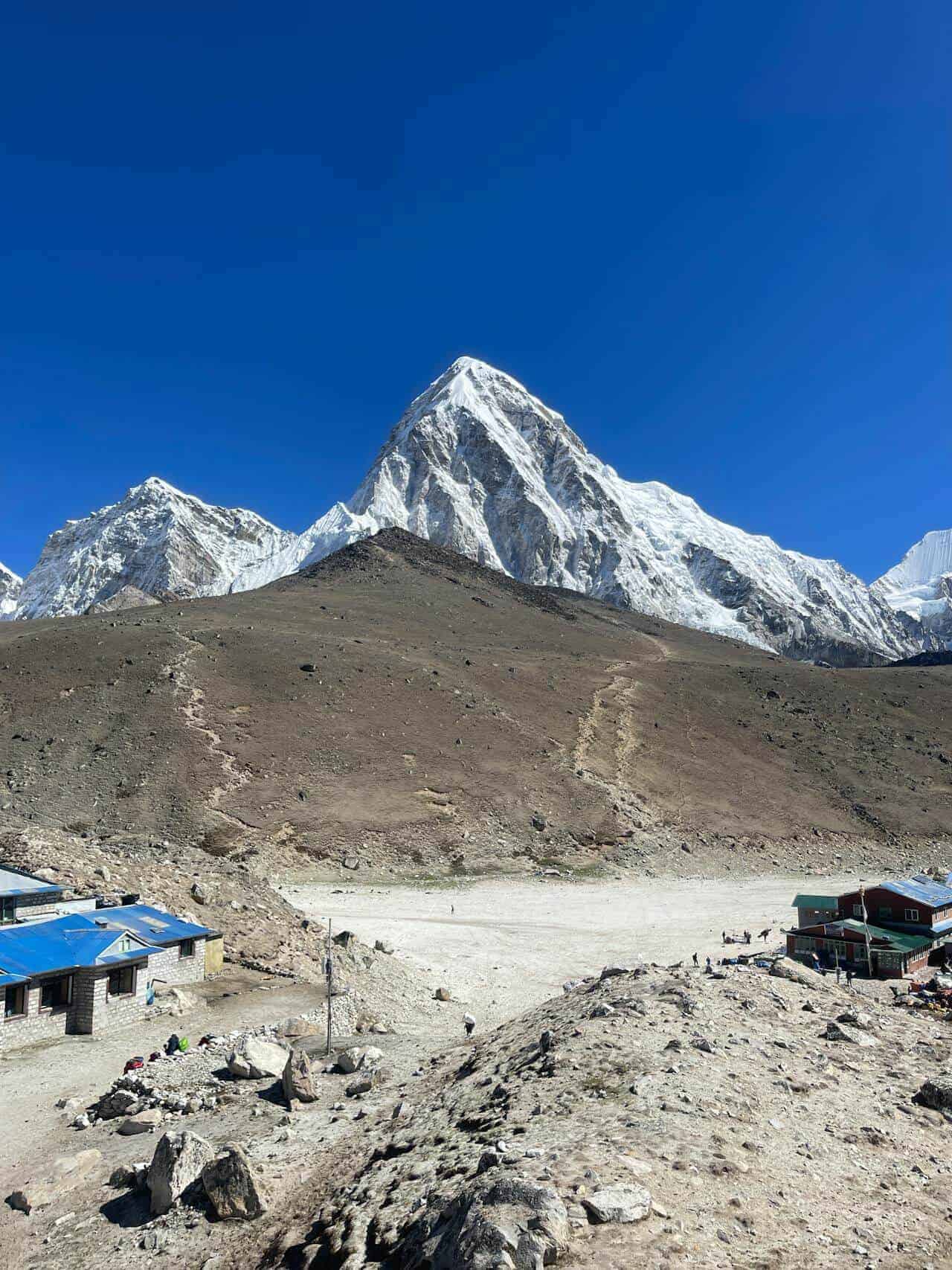
While symptoms like headaches, nausea, and fatigue may sound harmless, ignoring them can turn your dream trip into a dangerous experience. The good news? With the right preparation, altitude sickness is largely preventable.
In this guide, you’ll learn exactly what altitude sickness is, how it happens, and proven strategies to stay healthy and enjoy your journey above the clouds.
What Is Altitude Sickness?
Altitude sickness (or AMS) is your body’s reaction to lower oxygen levels at higher elevations. As you go higher, the air becomes thinner, meaning every breath you take delivers less oxygen. Your body must work harder to circulate oxygen to your brain and muscles.
This sudden change can cause your system to “protest” with symptoms like dizziness or nausea, especially if you climb too quickly without giving your body time to adjust.
Common Causes
- Rapid ascent — Going too high, too fast.
- Low oxygen — Barometric pressure decreases with altitude, reducing oxygen intake.
- Dehydration or overexertion — Both strain your system further.
- Poor acclimatization — Not spending enough time at intermediate altitudes.
Even elite athletes can suffer from AMS; it doesn’t discriminate based on fitness.
Types of Altitude Sickness
- Acute Mountain Sickness (AMS):
The mildest and most common form. Symptoms include headache, dizziness, fatigue, and loss of appetite. - High Altitude Pulmonary Edema (HAPE):
A severe form where fluid builds up in the lungs, causing breathlessness, coughing, and chest tightness. - High Altitude Cerebral Edema (HACE):
The most dangerous form, where the brain swells due to lack of oxygen. Symptoms include confusion, poor coordination, and potential loss of consciousness.
HAPE and HACE are medical emergencies that require immediate descent and professional care.
Symptoms to Watch For
Recognizing the early warning signs is critical.
Mild Symptoms (AMS)
- Headache
- Nausea or vomiting
- Lightheadedness
- Fatigue or weakness
- Difficulty sleeping
- Shortness of breath during exertion
These symptoms usually appear 6–24 hours after gaining altitude and can improve within a few days with rest and hydration.
Severe Symptoms (HAPE or HACE)
- Shortness of breath even at rest
- Persistent cough or chest pain
- Loss of coordination or confusion
- Blue lips or fingertips
- Difficulty walking or speaking
If you or a travel companion shows any of these signs, descend immediately, it can be life-saving.
Who’s at Risk?
Altitude sickness can affect anyone, even the fittest climbers. Still, some factors increase the risk:
- Ascending too quickly
- Skipping rest or acclimatization days
- Pre-existing heart or lung conditions
- Previous altitude sickness episodes
- Dehydration, alcohol, or lack of sleep
There’s no guaranteed immunity, but being cautious and observant makes all the difference.
How to Prevent Altitude Sickness
The best cure for altitude sickness is prevention. Here’s how to prepare your body before and during your climb:
1. Take It Slow
- Don’t ascend more than 300–500 meters (1,000–1,600 feet) per day once above 2,500 meters.
- Schedule rest days every few thousand feet gained.
- Follow the rule: “Climb high, sleep low.”
2. Stay Hydrated and Eat Well
- Drink 3–4 liters of water per day.
- Limit caffeine and avoid alcohol.
- Eat carbohydrate-rich meals (pasta, rice, potatoes), they’re easier to digest and help energy levels at altitude.
3. Use Medication (If recommended)
- Acetazolamide (Diamox): helps your body adjust by stimulating breathing.
- Typical dose: 125–250 mg twice daily, starting 1–2 days before ascent.
- Typical dose: 125–250 mg twice daily, starting 1–2 days before ascent.
- Dexamethasone and nifedipine may also be prescribed for high-risk cases.
Note: Always consult your doctor before taking any medication.
4. Prepare Physically and Mentally
- Build endurance with cardio workouts—hiking, cycling, swimming.
- Practice multi-day hikes with a loaded backpack.
- Don’t push yourself too hard in the early days of the trek.
What to Do If You Get Altitude Sickness
If symptoms start to appear, listen to your body and act early.
Immediate Steps
- Stop ascending—stay at your current altitude.
- Rest and avoid overexertion.
- Drink fluids and eat light, high-energy foods.
- Take ibuprofen or acetaminophen for headaches.
When to Descend
If symptoms worsen or don’t improve within 24 hours, descend at least 500 meters (1,600 feet).
Severe symptoms like confusion, breathlessness, or loss of coordination mean descend immediately and seek medical help.
Portable oxygen, pressure bags, or helicopter evacuations may be necessary in remote treks like Everest or Kilimanjaro.
During the Everest Base Camp hike, many trekkers take rest days in Namche Bazaar or Dingboche to recover naturally, while climbers preparing for Island Peak climbing often follow similar acclimatization schedules to minimize risk.
Final Tips
To keep your adventure safe and enjoyable:
- Ascend gradually and rest often.
- Stay hydrated and eat well.
- Avoid alcohol, smoking, and overexertion.
- Take prescribed medications only under medical guidance.
- Recognize symptoms early and don’t hesitate to descend.
Altitude sickness is preventable, the key is patience and preparation. Respect the mountain, listen to your body, and you’ll enjoy your journey from the valleys to the peaks with confidence.
Conclusion:
Altitude sickness is one of the few challenges that preparation, not strength, can overcome. Whether you’re trekking the legendary Everest Base Camp route, exploring the Annapurna Circuit, or hiking in the Andes, understanding your body’s limits is the key to staying safe.
Acclimatize gradually, hydrate consistently, and never ignore early warning signs. The higher you climb, the more patience and awareness matter. With the right mindset and planning, altitude won’t stand in your way, it will simply become part of the adventure.
So, take your time, breathe deeply, and enjoy the journey. The views from the top are always worth the climb, and if you’re looking for inspiration closer to home, check out these UK getaways for a spontaneous escape.