
Diamond painting brings a sense of calm and creativity, but it often leaves behind scattered drills, cluttered trays, and unfinished canvases that collect dust. Staying organised throughout a project helps keep the workspace clean and makes the process more enjoyable. Small steps taken early can prevent frustration later and protect the artwork from damage.

This article explores simple methods that make it easier to manage supplies, protect canvases, and maintain order throughout each project. From smart storage ideas to workspace habits, these tips focus on keeping the activity neat so the attention stays on the design rather than the mess.
Use stackable, labelled storage trays to keep drills organised by colour and size
Stackable trays make it easier to manage drills during an ongoing project. They save space on the table and keep different colours from mixing. Clear lids or covers also prevent spills if the trays are moved.
Labelling each tray by colour code or size keeps the process smooth. It allows quick access to the right drills without wasting time sorting through loose packets. This method works well for both large and small designs.
For beginners, trays with labels reduce confusion and help maintain order. Those starting with Beginner-Friendly Diamond Painting Kits benefit from a simple system that avoids mixing shades. It also builds good habits for larger projects later on.
Stackable trays also suit people who like to pause and return to their work later. Instead of re-sorting drills each time, they can pick up where they left off. This keeps the project tidy and less stressful from start to finish.
Seal unfinished canvases with cling film to prevent dust and debris accumulation
An unfinished diamond painting can easily collect dust, pet hair, or small debris if left uncovered. These particles can stick to the adhesive surface and make it harder to place drills neatly. A simple way to protect the canvas is to cover it with cling film.
Cling film creates a thin barrier that blocks dust without adding extra weight or bulk. It also keeps the adhesive fresh, so drills continue to stick properly. This method works well for short breaks or longer pauses in the project.
To apply it, lay the cling film smoothly across the canvas and press it down lightly. Avoid stretching it too tightly, as this may pull at the surface. The film should sit flat and cover the exposed areas fully.
This approach allows the canvas to stay clean until work resumes. It also saves time, since there is no need to wipe or clean the sticky surface before continuing the project.
Employ static-reducing tools like anti-static brushes to minimise drill scattering
Static cling often makes drills stick to trays, pens, or even clothing, which leads to scattered pieces and wasted time. Anti-static brushes help reduce this problem by discharging the built-up static on surfaces before drills are handled. This simple step creates a smoother setup for each session.
These brushes use fine conductive bristles that move static charges away from the drills. As a result, drills separate more easily and stay where they should, instead of clumping together or jumping onto unwanted surfaces.
In addition, a quick brush across trays or storage containers before pouring drills can prevent them from sticking. This keeps the area neater and reduces the chance of drills spilling across the workspace.
Some crafters also find value in brushing their tools or even their hands before starting. By reducing static across multiple surfaces, the overall mess decreases and the process feels more controlled.
Designate a well-lit, clutter-free workspace to maintain focus and tidiness
A clear, organised area helps keep diamond painting supplies in order. Good lighting allows each colour and symbol on the canvas to be seen without strain, which reduces mistakes and keeps the process smooth.
A clutter-free surface also prevents trays of drills from spilling or getting lost among unrelated items. By keeping only the tools and materials needed for the project on the desk, the workspace stays tidy and easier to manage.
Proper organisation supports focus as well. A calm, orderly environment reduces distractions and allows steady progress on the design. Therefore, setting up a dedicated space with good light and minimal clutter makes the activity more enjoyable and less stressful.
This approach also saves time. Instead of searching for misplaced tools or sorting through piles of items, the painter can start work right away. As a result, the project feels more manageable and the workspace remains neat from start to finish.
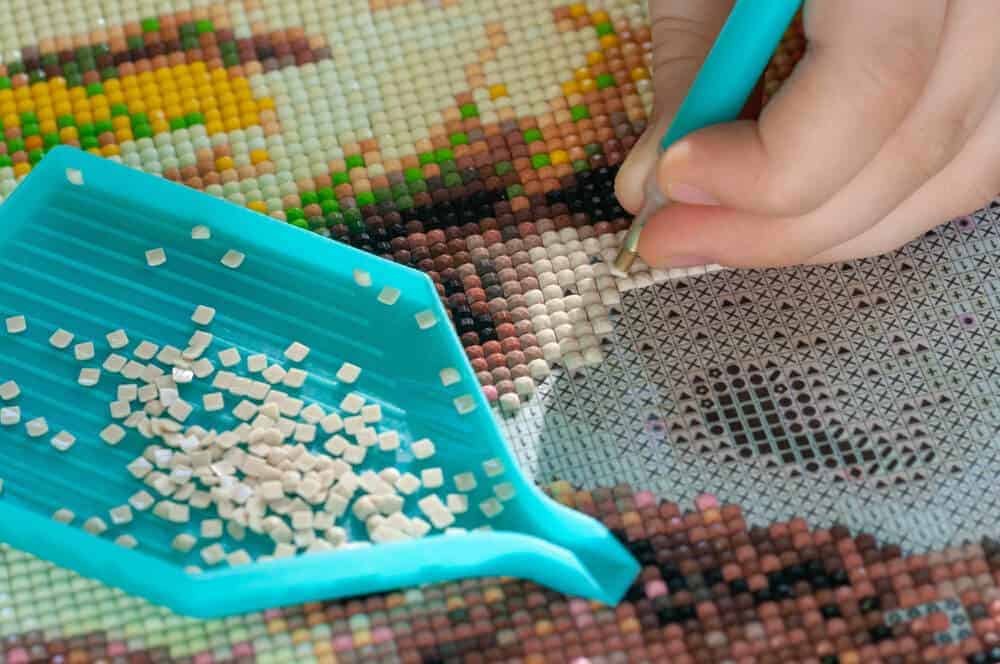
Use resealable bags for leftover drills to avoid spillage and mix-ups
Resealable bags give a simple way to keep leftover drills organised. Each colour can stay separate, which reduces the chance of mix-ups during the project. This method also helps protect drills from dust and moisture.
Small bags with clear fronts make it easy to see the contents without opening them. Labels on each bag allow quick identification, so the right colour can be found without delay. This saves time and prevents errors.
Bags also take up little space compared to bulky containers. They can be stored in a small box or drawer, keeping the work area neat. As a result, the painting process feels smoother and less stressful.
Using resealable bags also limits the risk of spills. If a tray tips over, only a few drills may scatter instead of hundreds. This simple habit helps maintain order and reduces waste over the course of the project.
Conclusion
A tidy workspace helps keep diamond drills, trays, and tools in order, which reduces stress during projects. Small steps such as sealing drills in labelled containers or wiping the surface before starting can prevent clutter from building up.
Simple habits also protect the artwork. For example, covering the canvas between sessions shields it from dust and avoids accidental spills.
By staying organised and using tools correctly, they can focus more on accuracy and progress. These practices support a smoother process and make each project easier to manage.