
Many professional photographers consider New Zealand the perfect destination for taking inspiring landscape photographs. With its dramatic coastlines, snow-capped peaks, pristine lakes, and star-filled skies awaiting around nearly every bend, New Zealand offers a richness of scenery that feels almost purpose-built for the lens.
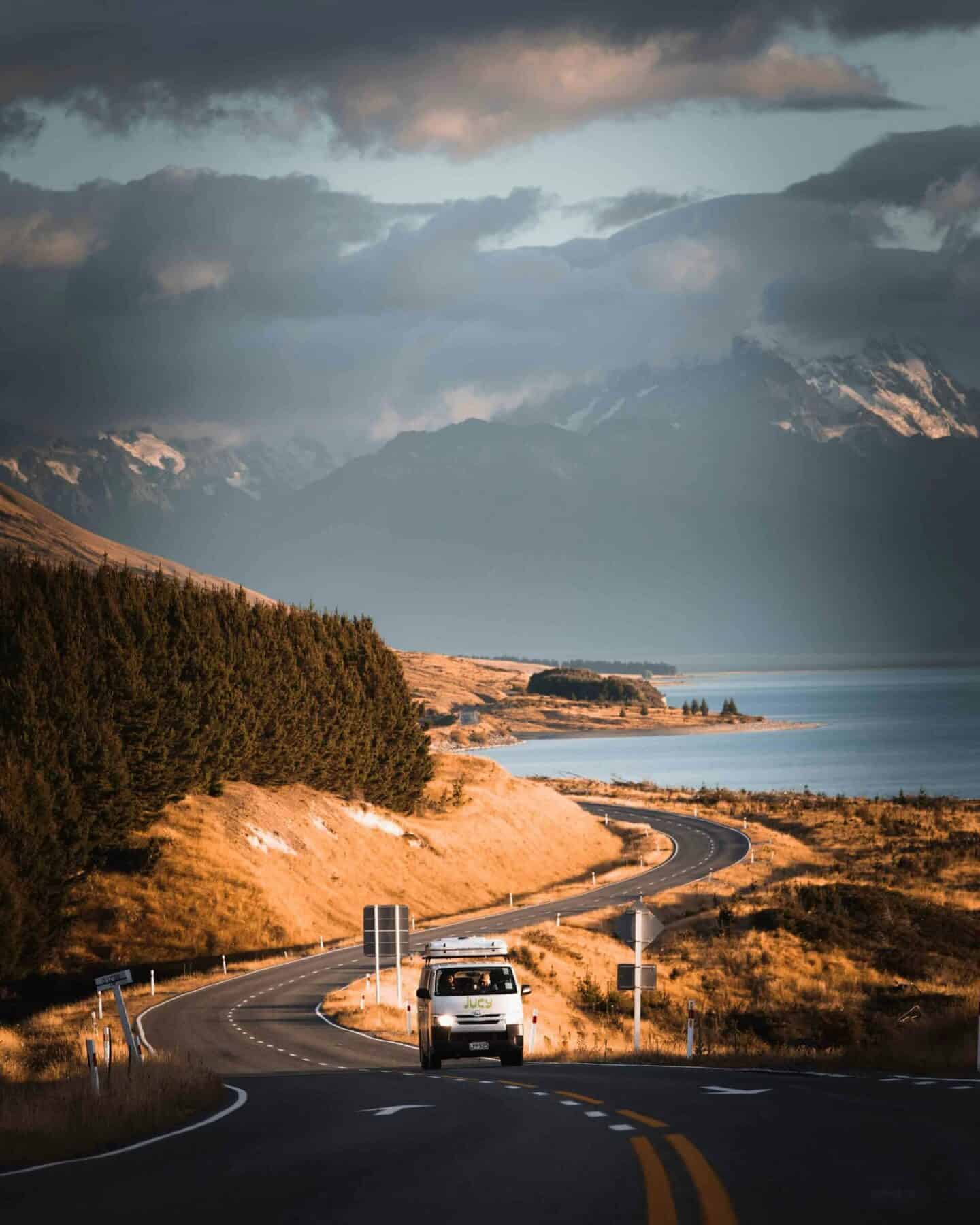
There are many ways photographers can explore the country’s natural beauty, from biking through winding alpine trails to simply walking around the nearest national park. But to truly unlock the country’s photographic magic, there’s no better way to travel than by campervan.
A campervan turns the entirety of New Zealand into your mobile basecamp for creativity. Thanks to the vehicle’s mobility and self-sufficiency, you’re given full freedom to chase light, weather, and inspiration all at your own pace. To make the most of your campervan photography adventure, however, you’ll need to make the right preparations, and here are some key tips to help you do just that:
1) Choose the Right Campervan for Photography
Not all campervans are created equal. Some are designed primarily for weekend escapades, while others are better suited for longer, off-grid journeys. When searching for a campervan hire NZ online, think beyond comfort and consider how well the vehicle will support your creative process.
For instance, since you’ll be bringing a range of camera gear, a campervan that has a lot of space to store and access equipment can make a huge difference. A van with ample compartments or under-bed storage will help keep your equipment secure and organised, especially when travelling over uneven terrain.
Power supply is another essential factor, as you’ll likely need to charge multiple devices daily. Look for a model equipped with solar panels or auxiliary batteries so that you can charge camera batteries, drones, and laptops without relying on campsites. Travelling in the right campervan ensures that you have a functional base that supports your photographic workflow.
2) Plan a Flexible Route
While it may be tempting to map out every stop in advance, some of the best photographic opportunities arise when you leave space for the unexpected. New Zealand’s weather, road conditions, and seasonal light all have a say in how your journey unfolds, and rigid schedules rarely account for that.
A flexible route gives you the ability to respond to changing conditions. For example, if the weather turns overcast in one area but looks clearer in another, you can easily shift your direction without compromising your trip. This kind of adaptability also provides room to make spontaneous detours when inspiration strikes, whether it’s a roadside view wrapped in morning mist or a hidden beach discovered by chance.
Begin by identifying broad regions or key locations you want to explore, such as the fjords of the South Island or the geothermal zones of the North Island. Use these destinations as anchor points rather than fixed commitments so you’re free to linger or move on as needed. What’s more, it’s a good idea to give yourself windows of a day or two for each location. This way, you won’t have to rush through places that deserve more time.
3) Know the Best Times for Light
In photography, the golden hour and blue hour are often considered the most visually rewarding times to shoot. These short windows offer short, directional light that adds depth, warmth, and atmosphere to a scene. Using these natural shifts in light to your advantage during your photography adventure in New Zealand can elevate the quality and impact of your photographs. However, New Zealand’s terrains can heavily affect how and when the light reaches a location. Mountains can delay sunrise, while coastal cliffs may cast longer shadows than expected.
As such, it’s worth knowing when to arrive on location so that you’re ready to take the shot when the light hits just right. To help you plan your timing with precision, you can use an app that tracks the sun’s position or simulates light direction across the landscape at different times of day.
4) Scout for Campsites in Strategic Locations
Where you choose to park your campervan can have a direct impact on the quality of your photography experience. It influences how easily and quickly you can access your desired locations, especially when you’re chasing a particular atmosphere.
As such, you’ll need to be strategic in your campsite selection. It’s not enough that the site is comfortable and has great amenities. It also has to be close to where you intend to shoot so that you can maximise your time behind the camera rather than on the road. Additionally, staying nearby allows you to return to the same spot with ease should you decide to reshoot under different conditions.
It’s also a plus if you stay at a campsite that offers quick access to natural features such as lakes, ridgelines, beaches, or open skies. Being close to these areas gives you the flexibility to respond to sudden changes in light or weather.
5) Prepare the Necessary Equipment and Accessories
Being on the road means you won’t always have access to shops or charging points, so having everything you need for your shoot is essential. A well-rounded photography kit should support a variety of shooting conditions, from low-light scenes to high-contrast landscapes. Therefore, you need to have a versatile setup so that you can adapt quickly to shifting environments and unexpected opportunities.
First, you’ll need the essentials, which are your camera, a selection of lenses, and filters. Without these, it’ll be challenging to respond creatively to the wide range of lighting and subject matter you’ll encounter. Next, you should also prepare accessories that provide stability and weather protection. Items like a sturdy tripod and rain covers will help you shoot in wind, rain, or uneven terrain with confidence.
Finally, you’ll need to bring spare batteries and memory cards to ensure you can keep shooting even when you’re far from power. With these essentials in place, you’ll be better equipped to focus on capturing stunning images rather than worrying about what you’ve forgotten.
The most rewarding and unforgettable campervan photography experience in New Zealand likely won’t happen by chance, but by knowing how to move with the landscape, anticipate the light, and make smart choices that support your creative goals. With the right preparation and mindset, you can transform a simple road trip by campervan into a purposeful journey that brings you closer to the images you set out to create.