
In the fast-paced world of education, the focus on grades often takes centre stage, overshadowing the equally important aspects of holistic development. Secondary education serves as a critical juncture in a student’s academic journey, and a holistic approach goes beyond the confines of traditional grading systems. Read on to learn more about the multifaceted dimensions of secondary education that extend far beyond the numerical representation of a grade.
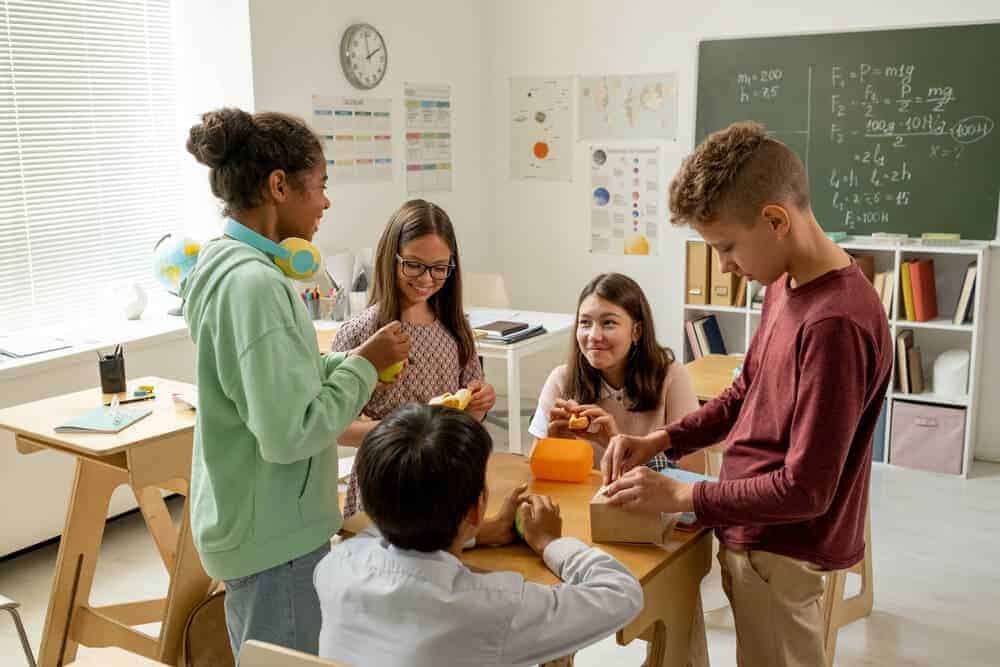
1. Comprehensive Skill Development:
Secondary education should be more than just a race for academic achievement. It’s a time when students discover their strengths, interests, and unique abilities. A holistic approach ensures a balanced development of various skills beyond those measured by exams.
a. Critical Thinking and Problem-Solving:
Secondary education should foster the ability to think critically, analyse information, and solve real-world problems. Engaging students in activities that challenge them to apply knowledge in practical scenarios prepares them for life beyond the classroom.
b. Communication Skills:
Effective communication is a vital skill often overlooked in a purely grade-centric system. Opportunities for public speaking, debates, and collaborative projects contribute to honing communication skills that are invaluable in professional and personal life.
2. Emotional Intelligence and Well-Being:
A holistic education recognises the importance of emotional well-being and the development of emotional intelligence in students.
a. Mental Health Awareness:
Secondary education should incorporate programs that raise awareness about mental health and provide resources for students facing challenges. Creating a supportive environment helps students cope with stress, anxiety, and other mental health issues.
b. Mindfulness Practices:
Introducing mindfulness practices into the curriculum promotes self-awareness and emotional resilience. Techniques such as meditation and stress-reduction exercises contribute to a positive and focused learning environment.
3. Character Building and Values:
Secondary education is an opportune time to instil strong values and shape the character of students.
a. Ethical Decision-Making:
Discussions on ethical dilemmas and moral values contribute to the development of responsible and principled individuals. Encouraging students to reflect on their values fosters a sense of integrity that extends beyond academic pursuits.
b. Community Service and Social Responsibility:
Engaging students in community service projects develops a sense of social responsibility and empathy. Involvement in volunteer activities encourages a broader perspective on societal issues and the importance of contributing to the community.
4. Career Exploration and Guidance:
Holistic secondary education prepares students for the transition from school to the broader world, including higher education and future careers.
a. Career Counselling:
Providing comprehensive career counselling helps students make informed decisions about their future. Exposure to various career paths and industries facilitates better alignment between academic choices and career goals.
b. Practical Skill Development:
Integrating practical skills relevant to the workplace, such as teamwork, project management, and adaptability, prepares students for the demands of the professional world.
A holistic approach to secondary education recognises that academic success is just one facet of a student’s journey. By nurturing a diverse range of skills, supporting emotional well-being, shaping character, and offering guidance for future endeavours, schools can truly empower students to navigate the complexities of life beyond the classroom, while also addressing key parents’ questions to ask when choosing the right path. It’s time to shift the spotlight away from grades alone and embrace an educational programme that fosters well-rounded individuals prepared for the challenges and opportunities ahead.