
Nature’s Classroom: Beyond Boundaries
A classroom without walls, a ceiling painted with the vastness of the sky, and a soundtrack composed of chirping birds and rustling leaves. This is Nature’s Classroom, where the world itself becomes the teacher, offering lessons that no textbook can encompass.
Why Outdoor Learning? The Brain’s Perspective
Our brains, evolved over millennia, have an inherent relationship with nature. Here’s why outdoor experiences can be so enriching:
- Natural Sunlight & Serotonin: Sunlight boosts the production of serotonin, enhancing mood, concentration, and focus. Nature’s very own antidepressant!
- Memory Enhancement: Nature walks can significantly improve memory retention. The calm and beauty of nature seem to supercharge our brains.
- Creative Sparks: An open environment often translates to open thinking. New landscapes and settings stimulate creative juices.
Ride-On The Learning Wave
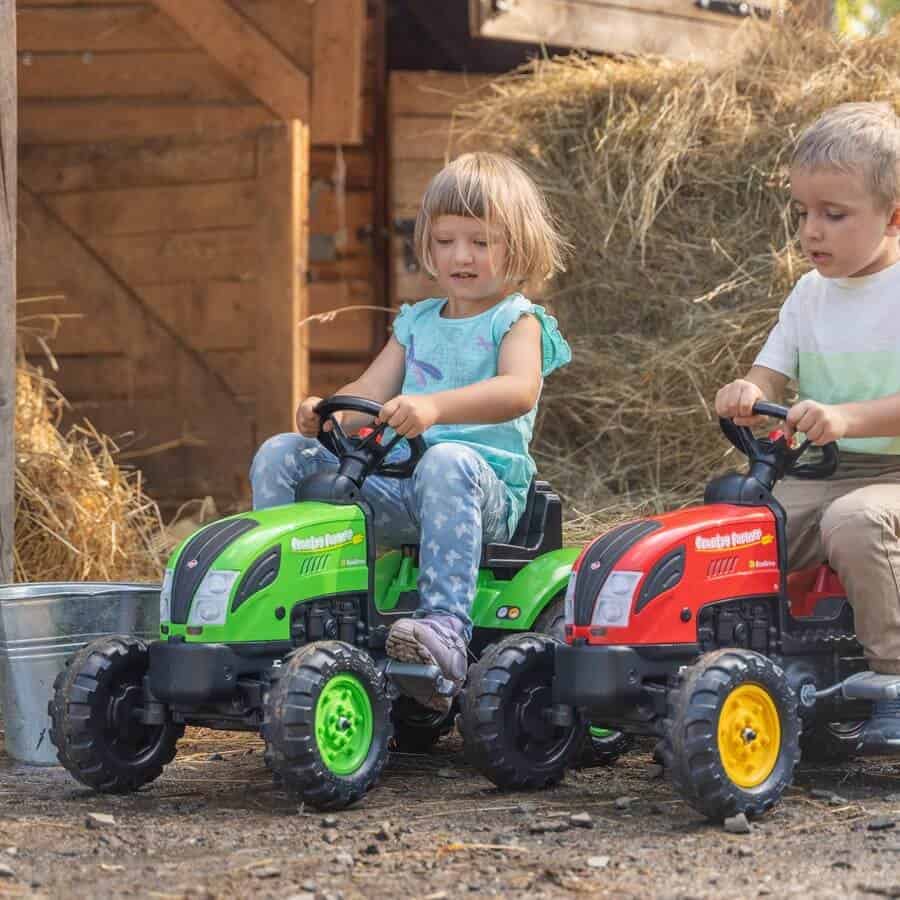
Kids and their fascination with movement! Be it bicycles, scooters, or Ride-on Toys. These aren’t just fun; they’re platforms for practical lessons in physics, balance, motor skills, and spatial understanding.
The World as a Laboratory: Experimental Learning
Observing a butterfly can introduce the concept of metamorphosis while watching a plant grow from a seed can teach patience and biology. Nature offers countless experiments, all happening in real-time, just waiting for keen eyes to observe.
Learning Through Play: The Ageless Phenomenon
The outdoors isn’t just a playground for kids; it’s a university for all ages:
- For Teens: Building a campfire could spark an interest in chemistry. Orienteering introduces them to geography and navigation.
- For Adults: Activities like birdwatching can become lessons in patience and biology, while hiking can teach endurance and provide insights into local flora and fauna.
- For Seniors: Nature walks can be therapeutic, gardening can be a way to reconnect with the Earth, and just sitting outdoors can evoke memories and stories from the past, teaching the younger generation about history and personal experiences.
Outdoor Group Activities: Learning Together
Group activities like picnics or team sports can teach us about collaboration, communication, and leadership. They emphasise the importance of working together and highlight the strengths of individual members.
Cognitive Benefits of Open-Air Activities
- Improved Attention Span: Nature has a soothing effect on the mind, reducing symptoms of attention disorders.
- Enhanced Problem-Solving Skills: Outdoor challenges make one think on their feet. Be it setting up a tent or finding a trail – it’s all about real-time problem-solving.
- Physical Fitness: A fitter body hosts a fitter brain. Physical activities outdoors like climbing, running, or even simple walks promote both physical and cognitive health.
Tips to Illuminate Outdoor Learning
- Use of Technology: While gadgets should be used sparingly, they can enhance the learning experience. Think of apps that identify stars or plants.
- Nature Journaling: Encourage kids and even adults to keep a nature diary. Documenting observations can be a wonderful way to learn and remember.
- Safety Always: Whether it’s ensuring one stays hydrated during a nature walk, or supervising kids while they play, safety should always be paramount.
Conclusion: A Symphony of Synapses under the Sun
Traditional classrooms have their merit, but the world outside offers a dynamic, ever-evolving learning space. From the microscopic wonders in a droplet of dew to the vast lessons in the night sky, nature is an infinite canvas of knowledge.
So, when the sun beckons, step out. Let’s let our brains bask in the warmth, absorb the wisdom, and illuminate our understanding of the world around us.