
If you’re like many people, your home represents your biggest investment. You want to protect its value, which means performing preventative maintenance. Doing so often identifies sneaky problems you need to get ahead of to avoid bigger headaches down the road.
It’s a wise idea to schedule routine maintenance weekends once or twice per year where you tackle these tasks. Doing so keeps your family safer, uncovering hidden threats like mold in your HVAC system, leading to increased upper respiratory infections.
What should you prioritize when it’s time to make your annual checklist? Here are six sneaky home problems to get ahead of.
1. Minor Roofing Issues
Your roof protects you and your family from the elements. Problems above can equate to water leaking inside walls, which poses a more serious threat than mold. Water around electrical components can spark a fire, and if one erupts inside your walls, you may have little warning to evacuate.
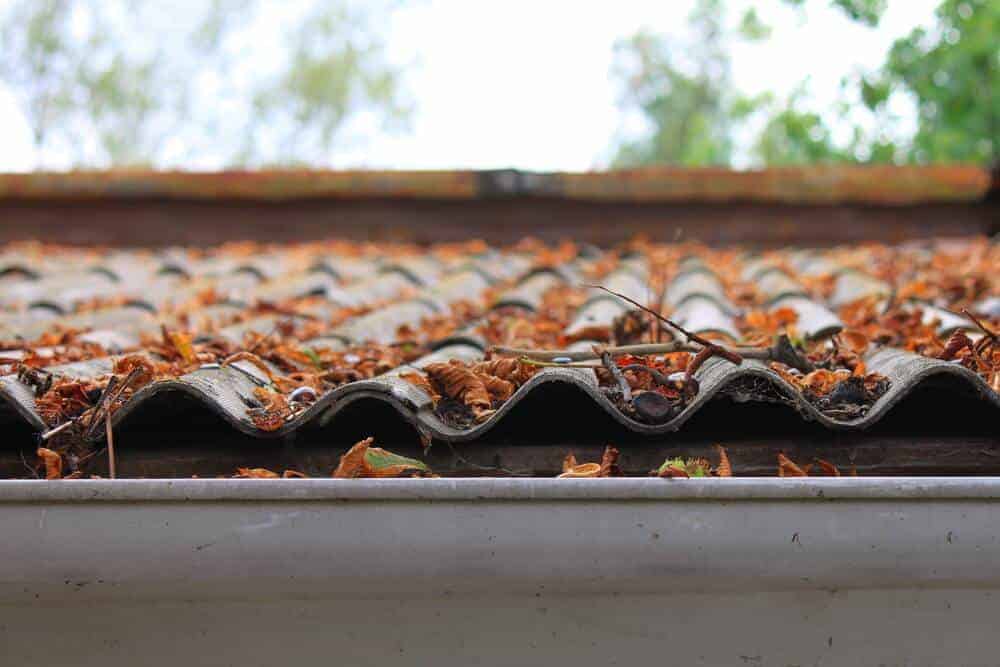
One of the biggest causes of leaks are gutters clogged with debris that cause roof separation, rotting wood and damaged shingles. You should clean yours at least once a year, although you may need to do so more often if you have many surrounding trees.
While on the ladder, inspect for signs of shingle wear and tear and cracked mortar around your roof joints, addressing them immediately if found. If you only have minor damage, you may get away with a patch, but more extensive damage calls for a full roof replacement.
2. Dirty HVAC System
Take a look at your home’s vents. Do you see grayish streaks emanating from them? If so, it’s a sign that your ductwork is filthy, adversely affecting your home’s indoor air quality.
Bacteria, viruses and mold can grow in your HVAC ducts, blowing around your home and causing illness and irritation whenever you run the heater or central air. Your first step is to change your filters, a task you should ideally tackle at least every three months or more often if you have pets or smokers in residence.
If you see signs of dirt coming from your vents, take these steps:
- Turn off your system.
- Remove the air filter, grate and vent covers. Dispose of the old filter.
- Wash the grate and dust covers.
- Using your vacuum’s hose, clean inside your ducts. If you can see severe debris you cannot reach, it’s time to call the pros.
- Turn on the fan to further blow dust from the system. Vacuum again if necessary.
- Turn the fan back off. Replace the air filter with a clean one. Replace the grate and vent covers and restart the system.
Once you have your system spic and span, consider adding a few low-maintenance houseplants to your decor, too. Research shows they absorb carbon dioxide and other toxins like formaldehyde from your indoor air, helping you breathe more comfortably.
3. Plumbing and Septic Woes
Problems with your plumbing can leave you dripping. Who wants to come home from their holiday trip to grandma’s to find burst pipes?
Unfortunately, you can’t see leaks inside walls unless walls or flooring become discolored or damaged. However, you can remain alert for these other signs of plumbing leaks:
- Low water pressure
- Big water bill increases
- Mold or mildew
- Unexplained odors
If you notice any of these symptoms, call a plumber or reach out to the experts over at Johnson Septic Service for a thorough inspection. They can diagnose the problem and let you know the extent of necessary repairs.
4. Leaky Basements
Leaky basements aren’t an inevitable byproduct of living in a damp climate. They often signify foundation problems.
While such issues sound terrifying, the national average for such repairs stands at $4,500, with minor problems costing less. However, leaving them untreated can result in conditions costing five figures or more to remedy.
Inspect your foundation once per year, looking for the following issues:
- Cracks: Small, vertical cracks smaller than a dime’s width often occur during settling. Horizontal, diagonal and zig-zag patterns are more concerning.
- Interior cracks
- Bouncy floors
- Cabinet separation
- Warped siding
- Sticking doors
- Drainage issues
- Sinking ground
5. Overgrown Landscaping
Maybe you think your overgrown landscaping represents nothing but an eyesore. You might change your mind when a tree limb goes through your front picture window.
You should plant trees at least 20 feet away from your home and immediately trim any branches that threaten your home’s integrity. Pay attention to insect infestations and disease, too, as they can spread to surrounding plants, wiping out much of your landscaping and potentially affecting those around you.
Furthermore, use caution if your home has ivy climbing its sides. Climbing vines can disrupt mortar and brickwork and contribute to rot on wooden surfaces.
6. Problematic Pests
Most people occasionally catch a creepy crawler or two that’s made its way indoors. However, serious infestations affect your property value and may cause lasting damage.
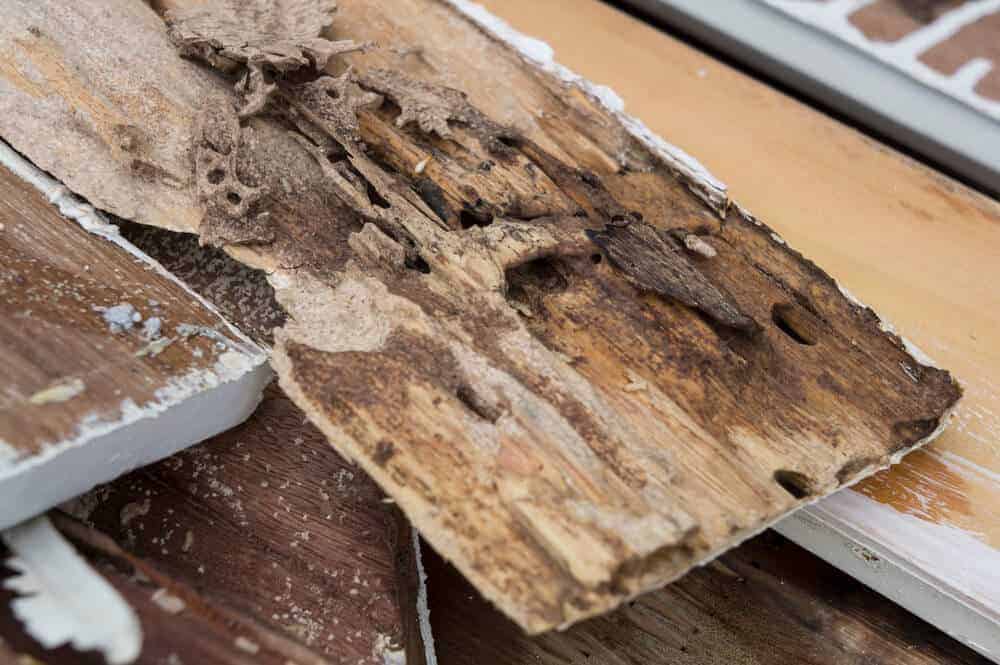
For example, many jurisdictions require you to get a termite inspection as a condition of financing when you sell. While the buyer may absorb this cost, you’re often responsible for remedying the situation. Inspecting your home yearly for signs of damage and addressing infestations before they spread can prevent bigger headaches. Look for many of the same signs as foundation issues, adding:
- Small, pinpoint holes in drywall
- Wood that sounds hollow when tapped
- Small piles of droppings, which may resemble tiny piles of spilled salt and pepper
Sneaky Home Problems to Get Ahead Of
As a homeowner, you want to protect the value of your investment. Getting ahead of sneaky home problems before they become major issues saves money and prevents further damage.
Inspect your home once or twice a year, looking for signs of trouble. Take immediate action, either taking a DIY approach or calling the pros to keep your home safe and sturdy year after year.