
For those just starting out in gardening, it can be an intimidating and overwhelming task. Fear not! In this article, we’ll provide you with 6 easy tips to help get your garden going. Learn how to plan your garden, what kind of soil to use, and other basics that will make sure you have a thriving garden all year round. Read on for more!

Soil Preparation
To achieve a successful garden, it is important to start with a good foundation. The first step in creating this foundation is preparing the soil. This can be done by a number of methods, including tilling, double digging, and amending the soil with organic matter.
Tilling is a process of breaking up the soil so that it is loose and easy to work with. This can be done with a rototiller or by hand with a shovel. Double digging is a more intensive form of tilling where the top layer of soil is removed and set aside, and then the second layer is loosened and turned over. This process aerates the soil and helps to break up any compaction. Amending the soil with organic matter is another way to improve its quality. This can be done by adding compost, manure, or other organic materials to the soil.
No matter which method you choose, preparing the soil properly is an important step in ensuring a healthy and successful garden.
Plant Selection
When it comes to planting your garden, the options can feel endless. But don’t worry – we’re here to help you select the perfect plants for your space and the best ways to care for your plants so that you can have a thriving garden. From annuals and perennials to trees and shrubs, there are many beautiful plants for you to choose from. The key is selecting the right type of plants for the right location in your garden. Consider factors such as light, soil type, moisture levels, and more before making your selections.
Planting and Caring for Plants
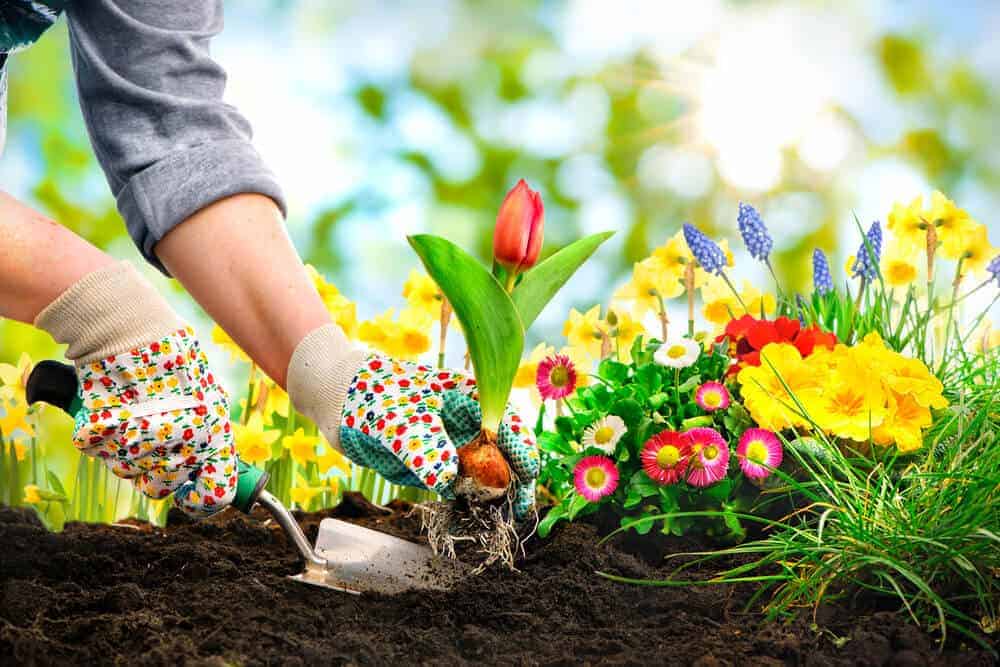
One of the most important aspects of gardening is planting and caring for your plants. If you don’t take care of your plants, they won’t be able to thrive and produce healthy fruit and vegetables. Here are some tips on how to plant and care for your plants:
– Make sure you choose the right location for your plants. They should be in an area that gets plenty of sunlight and has well-drained soil.
– When you’re ready to plant, dig a hole that is twice as wide as the root ball of the plant. This will give the roots room to spread out and grow.
– Care for your plants by watering them regularly and fertilizing them according to their needs. Also, make sure you keep an eye out for pests and diseases so you can address them quickly.
Watering Techniques
First, you need to know how often to water your plants. This will depend on the type of plant, the climate, and the time of year. Most plants need to be watered at least once a week, but some may need more or less depending on the conditions.
Second, you need to make sure you’re using the right amount of water. Overwatering can be just as harmful as underwatering, so it’s important to strike a balance. A general rule of thumb is to give your plants about an inch of water per week.
Finally, you need to pay attention to the time of day when you water your plants. Watering in the morning is best so that the leaves have time to dry before nightfall. Watering at night can promote fungal growth and leave your plants more susceptible to disease.
Weed Control
One of the most effective methods of weed control is to simply pull them out by hand. This is especially effective for small weeds that have not yet gone to seed. If you can catch them early, they are much easier to remove.
Another method of weed control is to use a hoe or other tool to chop them down. This is more effective for larger weeds that are more difficult to pull out by hand. For even greater efficiency and a much quicker way of removing any unwanted weeds, a battery weed eater can be used. This cordless tool provides a powerful, convenient way to trim and manage weeds in larger areas, reducing the physical effort and time required compared to traditional hand tools.
There are also chemical methods of weed control, but these should only be used as a last resort. Chemicals can be harmful to both plants and people, so it is always best to try other methods first.
Fertilizing Your Garden
If you want your plants to grow healthy and strong, then you need to fertilize them on a regular basis. There are a lot of different ways to fertilize your garden, so you’ll need to do some research to figure out what’s best for your plants. Once you know how often to fertilize your garden and what type of fertilizer to use, it’ll be easy to keep your plants healthy and happy.
Gardening is a rewarding activity that requires patience, effort, and understanding of the basics. With these 6 easy gardening tips for beginners, we hope you are now more equipped to start creating your own garden. Don’t be afraid of failure – just take it one step at a time, and enjoy the process!